 >
SLIIT Secures Two National Honours at BestWeb.LK 2026
By Vipula Amarasinghe

SLIIT has strengthened its position as a leading digital presence in Sri Lanka’s higher education sector by winning two major honours at the BestWeb.LK 2026 Awards.
SLIIT was awarded Gold in the Best University & Higher Education Institute Website category and also received recognition as the Best Mobile User Experience Website in the same category.
The awards recognise the university’s efforts to provide prospective students, parents and other visitors with an accessible and informative digital platform at a time when online interaction has become an increasingly important part of the higher education journey.
Organised by the LK Domain Registry, the BestWeb.LK Awards evaluate websites across a range of areas including technical performance, design, content, security, accessibility and overall user experience. The assessment also considers how effectively websites perform across different devices, including mobile phones.
SLIIT’s website provides users with access to information on academic programmes, study pathways, research, student life and other aspects of the institution. Its programme finder further enables prospective students to explore courses based on areas such as study discipline, qualification and location.
The Gold award reflects the overall quality and effectiveness of SLIIT’s website, while the Best Mobile User Experience recognition highlights the importance placed on ensuring that users can access information easily through smaller screens and mobile devices.
For students considering higher education, a university website is often the first point of contact with an institution. Before visiting a campus or speaking with an admissions team, prospective students increasingly depend on digital platforms to compare programmes, understand entry pathways and learn about campus life.
The recognition therefore reflects more than web design alone, highlighting the growing importance of digital accessibility and user experience within the higher education sector.
SLIIT’s achievement at BestWeb.LK 2026 demonstrates its continued focus on developing a digital platform that enables students and families to obtain relevant information and make informed decisions about their educational journey.
The two awards also underline the changing role of university websites, which have increasingly become an important gateway through which prospective students begin their relationship with an institution.
06.10.2026
#############################################################################################
SLIIT Researchers Develop AI System to Improve Industrial Energy Management
By Vipula Amarasinghe
Researchers at the Sri Lanka Institute of Information Technology (SLIIT) have developed an artificial intelligence-based energy forecasting framework designed to help industries improve the way they manage biomass-powered energy systems.
The research focuses on biomass-fuelled steam turbines used in palm oil production, where agricultural by-products such as fibre, shells and husks are converted into renewable energy for industrial operations.
The study, published in Energy Conversion and Management, an Elsevier journal ranked among the world’s leading publications in the field, demonstrates how AI can improve the accuracy of predicting future industrial energy demand.
For factories relying on biomass energy, accurately matching power generation with demand is a major operational challenge. Producing more energy than required can result in unnecessary biomass consumption, while generating less than needed may force factories to obtain additional electricity from the national grid, increasing costs and reducing the efficiency of renewable energy use.
The SLIIT research team addressed this challenge by developing an AI-powered forecasting system capable of learning from industrial operating patterns and predicting future energy requirements.
Using an eight-year industrial dataset, the model achieved approximately 25% higher forecasting accuracy compared with benchmark forecasting methods. The system also demonstrated strong performance under real-world operating conditions.
According to the researchers, improved forecasting could allow industrial operators to plan biomass consumption more effectively and adjust steam turbine output according to anticipated demand.
The technology could also support better fuel utilisation, reduce operating costs and provide plant operators with more reliable information for daily production and energy management decisions.
The research was led by Himaya Perera, an Electrical and Electronic Engineering graduate of SLIIT who is currently pursuing a Master of Engineering in Electronics at La Trobe University in Australia on a full scholarship.
The study was conducted in collaboration with Prof. Eranga Wijesinghe of SLIIT’s Department of Electrical and Electronic Engineering and Prof. Bhagya Nathali Silva of the Department of Information Technology.
The research team also included international collaborators Shalitha Jayasekara, an SLIIT Electrical and Electronic Engineering graduate currently pursuing a PhD in Electrical Engineering on a full scholarship, and his PhD supervisor Prof. Honnyong Cha of Kyungpook National University, South Korea.
The collaboration brought together expertise in engineering, information technology and international research to address an industrial energy challenge with direct economic and environmental implications.
The research has wider relevance for Sri Lanka as industries seek to improve energy efficiency while making greater use of renewable resources. Converting agricultural waste into a predictable and efficiently managed energy source could help industries reduce dependence on conventional electricity while improving resource utilisation.
The findings also highlight the growing role of artificial intelligence in industrial energy management, demonstrating how data-driven technologies can transform traditional renewable energy systems into smarter and more efficient operations.
With industries increasingly moving towards intelligent and sustainable production, the SLIIT research provides an example of how locally developed research can contribute to practical solutions for energy efficiency, industrial competitiveness and environmental sustainability.
05.10.2026
##################################################################################################
Shehan Karunatilaka and Education New Zealand Highlight Learning Beyond the Classroom at CIBF 2026
By Vipula Amarasinghe
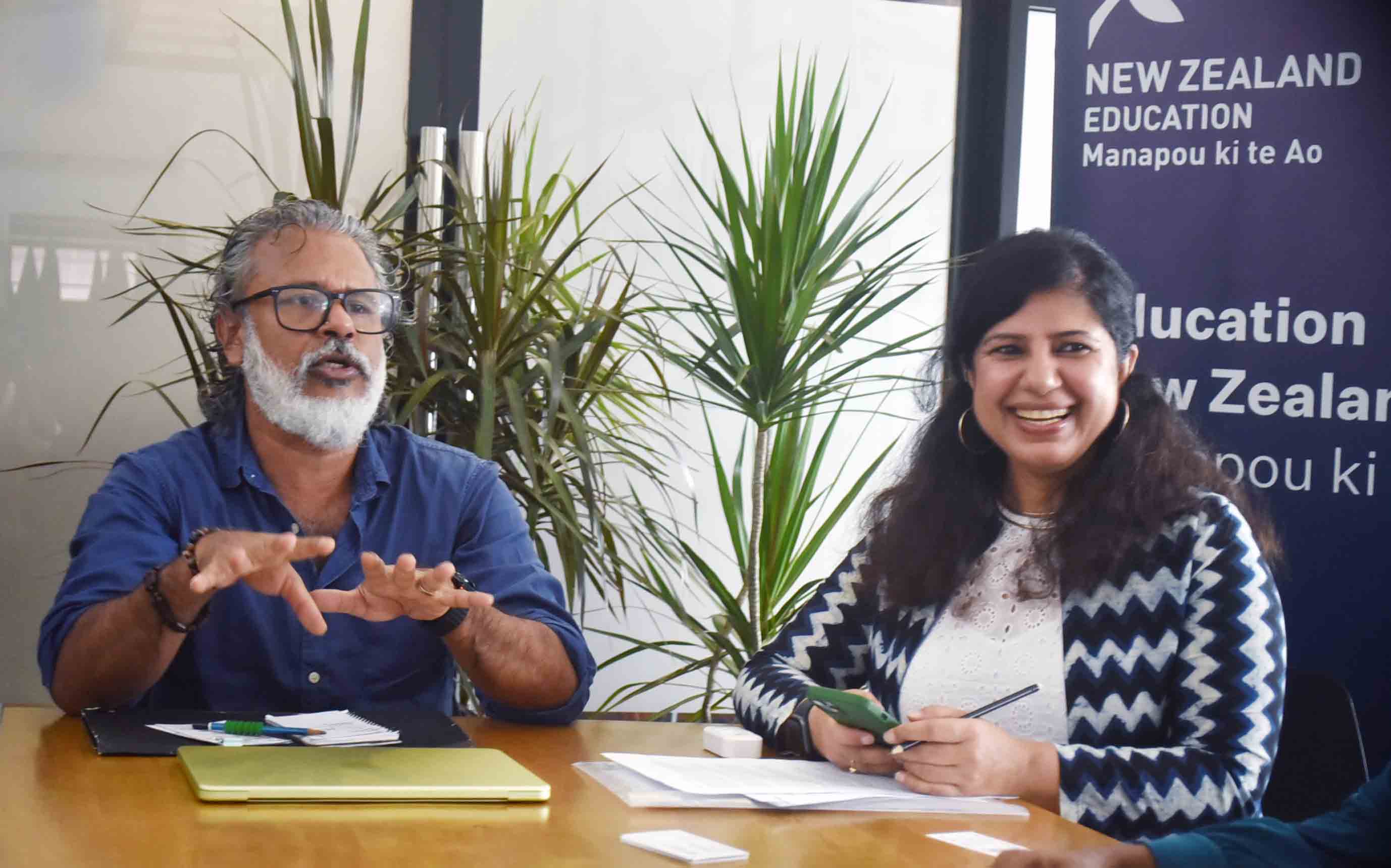
Education New Zealand Manapou ki te Ao (ENZ) has partnered with Booker Prize-winning Sri Lankan author and New Zealand alumnus Shehan Karunatilaka at the Colombo International Book Fair (CIBF) 2026, bringing together students, aspiring writers, educators and readers for a series of literary activities centred on creativity, storytelling and learning.
Karunatilaka, who studied at Whanganui Collegiate School and Massey University in New Zealand, has been engaging with school and university students during the book fair, sharing experiences from his writing career and discussing the role of education in developing creativity and independent thinking.
A special creative writing workshop was also conducted for winners of the Education New Zealand Short Story Challenge, providing emerging young writers with an opportunity to explore storytelling techniques and develop their own creative voices.
Reflecting on the collaboration, Karunatilaka said his own writing journey had been shaped by teachers, mentors and artists who encouraged him to explore ideas and develop his craft. He encouraged young writers to continue reading, creating and questioning as they develop their individual voices.
Karunatilaka is internationally recognised for his 2022 Booker Prize-winning novel The Seven Moons of Maali Almeida. His debut novel, Chinaman: The Legend of Pradeep Mathew, also received several international literary awards, including the Commonwealth Prize, the DSC Prize for South Asian Literature and the Gratiaen Prize. His work extends across novels, short stories, journalism and screenwriting.
The partnership forms part of Education New Zealand's wider focus on learning experiences that extend beyond academic achievement. Its learner-centred education approach encourages students to question ideas, consider different perspectives, apply knowledge in practical contexts and develop skills that can support them throughout their education and careers.
Shafra Hamid, a final-year student at CINEC Campus and one of the top 10 winners of the Education New Zealand Short Story Challenge, said the competition encouraged her to think more critically about her writing and develop her own voice. She described the opportunity to learn from Karunatilaka and understand his approach to storytelling as a valuable experience.
Education New Zealand highlighted literature and storytelling as important components of broader learning. Reading can encourage curiosity and cultural understanding, while writing can strengthen communication, critical thinking and self-expression.
Through its participation at the Colombo International Book Fair, Education New Zealand is using literature and creative engagement to connect an internationally recognised author with emerging young writers while highlighting the wider learning opportunities associated with an international education experience.
The initiative also reflects ENZ's Minds Made for More concept, which promotes an understanding of education that goes beyond academic qualifications to include creativity, curiosity, independent thinking and lifelong learning.
02.10.2026
#############################################################################################
St. Peter’s College Old Boys’ Union Marks Centenary with Year-Long Celebrations
By Vipula Amarasinghe
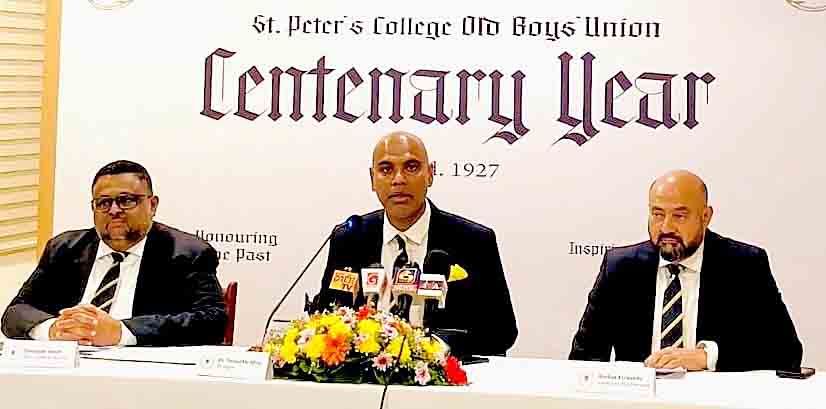
The St. Peter’s College Old Boys’ Union (OBU) has announced a year-long programme of celebrations to mark its Centenary, commemorating 100 years since the Union was established in 1927.
The Centenary programme was unveiled at a media briefing held at the Patron’s Auditorium of the St. Peter’s College OBU Secretariat, with members of the media and the Centenary Organizing Committee in attendance.
The celebrations will be conducted under the theme “Honoring the Past. Strengthening the Present. Inspiring the Peterite of Tomorrow.” The theme reflects three key areas of focus for the Centenary year — recognising the contribution of generations of Old Boys, supporting the College and its present community, and creating opportunities for future generations of Peterites.
According to the OBU, the “Honoring the Past” pillar pays tribute to Old Boys who have contributed their time, resources and loyalty to the Union over the past century, while recognising the lifelong bond formed through St. Peter’s College.
“Strengthening the Present” will focus on initiatives supporting the College and its community, including teacher development, improvements to the OBU Secretariat and programmes designed to benefit current students.
Under “Inspiring the Peterite of Tomorrow”, the Union plans to provide students with skills, opportunities and support to help them prepare for life beyond school.
Dr. Nirmal De Silva, President of the St. Peter’s College Old Boys’ Union, said the Centenary belonged to every generation of Old Boys who had contributed to the growth of the Union since 1927.
The main Centenary Launch Event will take place on Sunday, October 18, 2026, at St. Peter’s College.
The day’s programme will begin with Holy Mass at 8.00 a.m., followed by the unveiling of the cover of the Centenary Coffee Table Book and a Centenary Breakfast. A Quadrangular Schools Sports Tournament will also be held at the College Grounds.
Old Boys wishing to attend the launch can register through the official RSVP platform, while limited-edition Centenary merchandise will be available on the day.
Several initiatives have also been planned as part of the Centenary programme. These include teacher development programmes, the Champions for Life Programme for Advanced Level students, a High Achiever Scholarship Programme and a medical insurance plan for student sportsmen.
The OBU will also undertake infrastructure improvements at its Secretariat, including the installation of a passenger elevator and a backup generator.
Shawn Adams, Chairman of the Centenary Organizing Committee, said the Centenary represented an opportunity not only to remember the Union’s history but also to invest in its future.
The OBU described the Centenary as a celebration of the enduring Peterite brotherhood and the connections between generations of Old Boys in Sri Lanka and around the world.
Through the year-long programme, the Union aims to combine its historic legacy with initiatives focused on education, student welfare, professional development and the continued strengthening of the Peterite community.
02.10.2026
##################################################################################################
Child Action Lanka - 20 Years of serving children in Sri Lanka
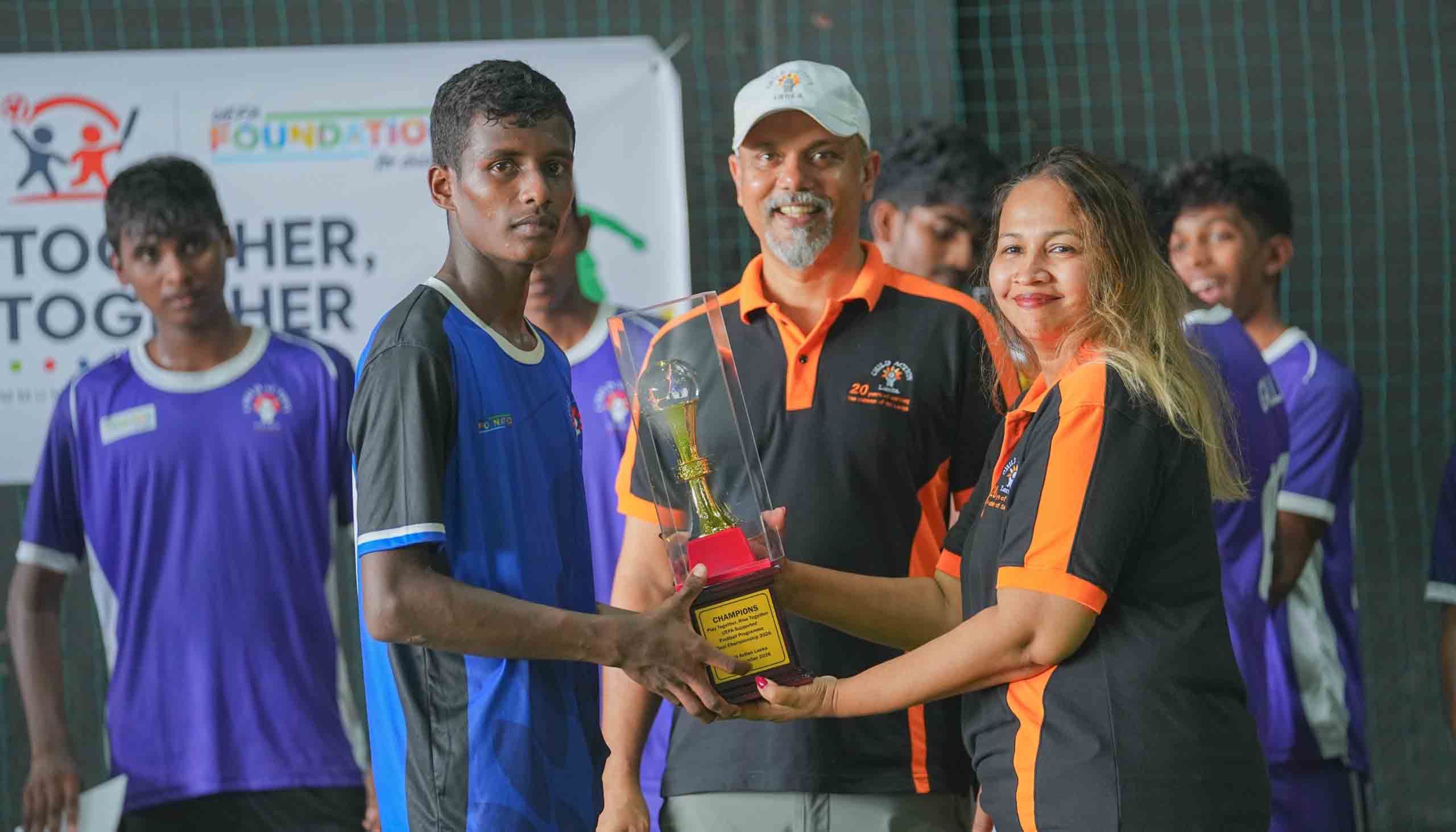
Debbie and Dilshan Edirisinghe awarding the Captain of the Akkarayan football teams the champion trophy.
Child Action Lanka marked a significant milestone as it celebrated its 20th Anniversary with a colourful and inspiring event held at the Tower Hall Theatre in Maradana. The celebration brought together partners, volunteers, children, community members, well-wishers, and supporters who have contributed to the organisation's remarkable journey over the past two decades. Among them long-time friends, fundraisers and supporters from Belgium, the United Kingdom, Sweden, the Netherlands and Australia were in attendance.
The festivities began a day earlier, on Friday 25th September, with the final of Child Action Lanka's UEFA-supported football project, Play Together, Rise Together, contested between the organisation's Child Development Centres of Akkarayan and Galle. The celebrations also brought together over 250 children from Child Action Lanka's centres across Sri Lanka including Galle, Kandy, Gampola, Nuwara Eliya, Kilinochchi, Akkarayan, Mullaitivu and Batticaloa, who travelled to Colombo to take part in the anniversary.
Founded in 2006, Child Action Lanka began with a simple yet powerful vision: to create a safer, healthier, and more empowering environment for vulnerable children and their families. What started as a modest initiative in a church basement in Kandy has grown into a large charitable organisation with a presence across 11 locations, largely serving rural communities in the north, dedicated to promoting children's rights, education, protection, nutrition, health and community development across Sri Lanka.
Over the last twenty years, Child Action Lanka has worked tirelessly to improve the lives of thousands of children through educational support, child protection programmes and community empowerment initiatives. The organisation's success has been built on strong partnerships with local communities, government institutions, international supporters, and a passionate network of volunteers who have remained committed to its mission.
The anniversary event was a celebration not only of achievements but also of the resilience and potential of the children and communities served by the organisation. The programme featured cultural performances by children, presentations highlighting key milestones, and heartfelt testimonials from community members whose lives have been positively impacted by Child Action Lanka's work.
The Chief Guest for the occasion was renowned child rights advocate Dr Radhika Coomaraswamy, whose presence added special significance to the event. In a meaningful address to the gathering, Dr Coomaraswamy spoke of the significance of how children from humble beginnings have gone on to achieve great things in life, reflecting on the resilience and potential that Child Action Lanka's work has nurtured in the children it serves.
As part of the proceedings, Child Action Lanka set aside a special segment to thank those who have been close supporters of the organisation over the years. Among those recognised were representatives from the British High Commission and the Japanese Embassy, members of the Board, and partner organisations including Epiphany Trust, Feed the Hungry and Oxford Falls Grammar School. Other corporate and local supporters of Child Action Lanka, along with several Government offices, were also acknowledged for their continued support and partnership.
Speaking at the event, members of the organisation reflected on the journey from its humble beginnings to becoming a trusted force for positive change. They expressed gratitude to everyone who has supported the organisation throughout the years and reaffirmed their commitment to building a brighter future for children.
As Child Action Lanka enters its third decade, the organisation looks ahead with renewed determination and hope. The 20th Anniversary celebration served as a powerful reminder that when communities, partners, and volunteers unite around a common purpose, lasting and meaningful change is possible for every child.
02.10.2026
#############################################################################################
Cambridge Expands Sri Lanka Presence With New World Trade Center Office
By Vipula Amarasinghe
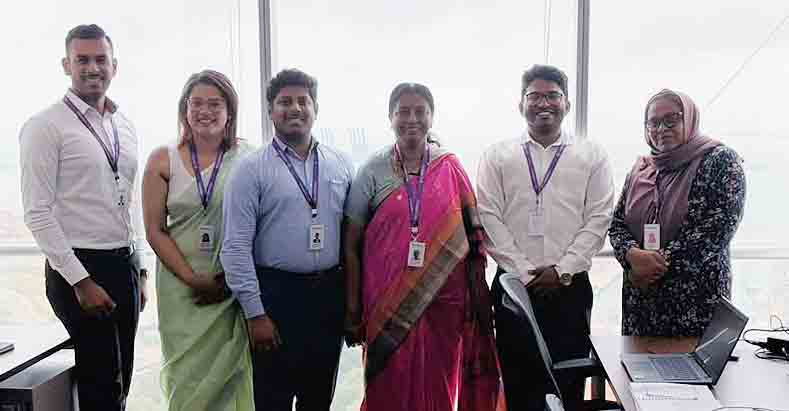
Cambridge University Press & Assessment has strengthened its presence in Sri Lanka with the opening of a new office at the World Trade Center in Colombo and the establishment of a directly employed local team through Cambridge University Press & Assessment Lanka (Pvt) Ltd.
The new local operation, which commenced on August 1, 2026, reflects Cambridge’s continued investment in Sri Lanka and its commitment to working more closely with schools, educators, institutions, partners and communities across the country.
The Colombo office will serve as the base for Cambridge’s Sri Lankan team, supporting the organisation’s broad range of activities in the country. These include Cambridge International Education, Cambridge English, publishing and learning resources, as well as sales, marketing, customer support and operational functions.
The local team will also engage with government and institutional partners in supporting priorities within Sri Lanka’s education sector.
Zahara Ansary, Country Head, Sri Lanka and the Maldives, Cambridge University Press & Assessment, said the new office and directly employed team would provide a stronger foundation for developing relationships with the local education community and understanding the needs of schools, educators and institutions.
She said the move also reflected Cambridge’s confidence in the future of education in Sri Lanka and its intention to maintain a long-term presence in the country.
Cambridge supports different stages of education in Sri Lanka through international curricula, programmes and qualifications, English language learning and assessment, educational resources and professional development opportunities for teachers and professionals.
Its local operations also work with higher education institutions, employers, government stakeholders and education partners.
As part of the University of Cambridge, Cambridge University Press & Assessment brings together expertise spanning education, assessment, research and publishing.
Cambridge International Education currently works with more than 10,000 schools across over 160 countries, supporting learners, teachers and school leaders through its international education programmes.
Arun Rajamani, Managing Director, South Asia, Cambridge University Press & Assessment, said Sri Lanka remains an important part of the organisation’s work in South Asia, supported by a strong education community and relationships developed over many years.
He said strengthening the local presence would enable Cambridge to work more closely with Sri Lankan partners while combining its international expertise with a deeper understanding of the local education environment.
The development follows a strong year for Cambridge in Sri Lanka. The organisation recorded its highest volumes in resource sales during the past year, while 10 new schools joined the Sri Lankan Cambridge schools community.
Nearly 50,000 Cambridge English examinations, including Young Learners English examinations, were also delivered across Sri Lanka during the period.
The new World Trade Center office will now serve as the central base for Cambridge University Press & Assessment’s Sri Lankan operations as the organisation continues to expand its work across international education, English, publishing and partnerships with institutions and government stakeholders.
30.09.2026
###################################################################################################
Kites Global Wins 8 Awards at SLIM DIGIS 2.6

Kites Global has been recognized with 8 awards at SLIM DIGIS 2.6, a moment that reflects the agency's commitment to bold ideas, creative excellence and strong client partnerships.
SLIM DIGIS remains one of Sri Lanka's most respected platforms for celebrating excellence in digital marketing and communication, and standing among this year's winners is a moment we'll carry with pride.
Our haul this year included 1 Gold, 1 Silver, 4 Bronze and 2 Merit awards, recognition that reflects the ideas we've poured ourselves into over the past year, ideas that made an impact, creativity that connected, and partnerships built on trust. This win belongs to our entire team. From our creative team's bold, fearless ideas to everyone working behind the scenes across strategy and client servicing, thank you for making this possible.
None of this would have been possible without our clients. We want to extend our sincere thanks to them for giving us the space to think boldly, create fearlessly and bring our ideas to life. Your trust inspires us to keep creating work that makes a real difference.
A huge thank you to DSI, Sampath Bank, Insee Eco Cycle, Singer Sri Lanka and Park Avenue Sri Lanka for trusting us to create with you. This recognition belongs to you as much as it does to us.
We're excited for what's next, and grateful for every partnership that helps us get there.
25.09.2026
############################################################################################
MOGO Media Academy Partners with NEXT Campus Offering BA (Hons) Digital Media degree from London Metropolitan University, creating new opportunities for Sri Lankan students
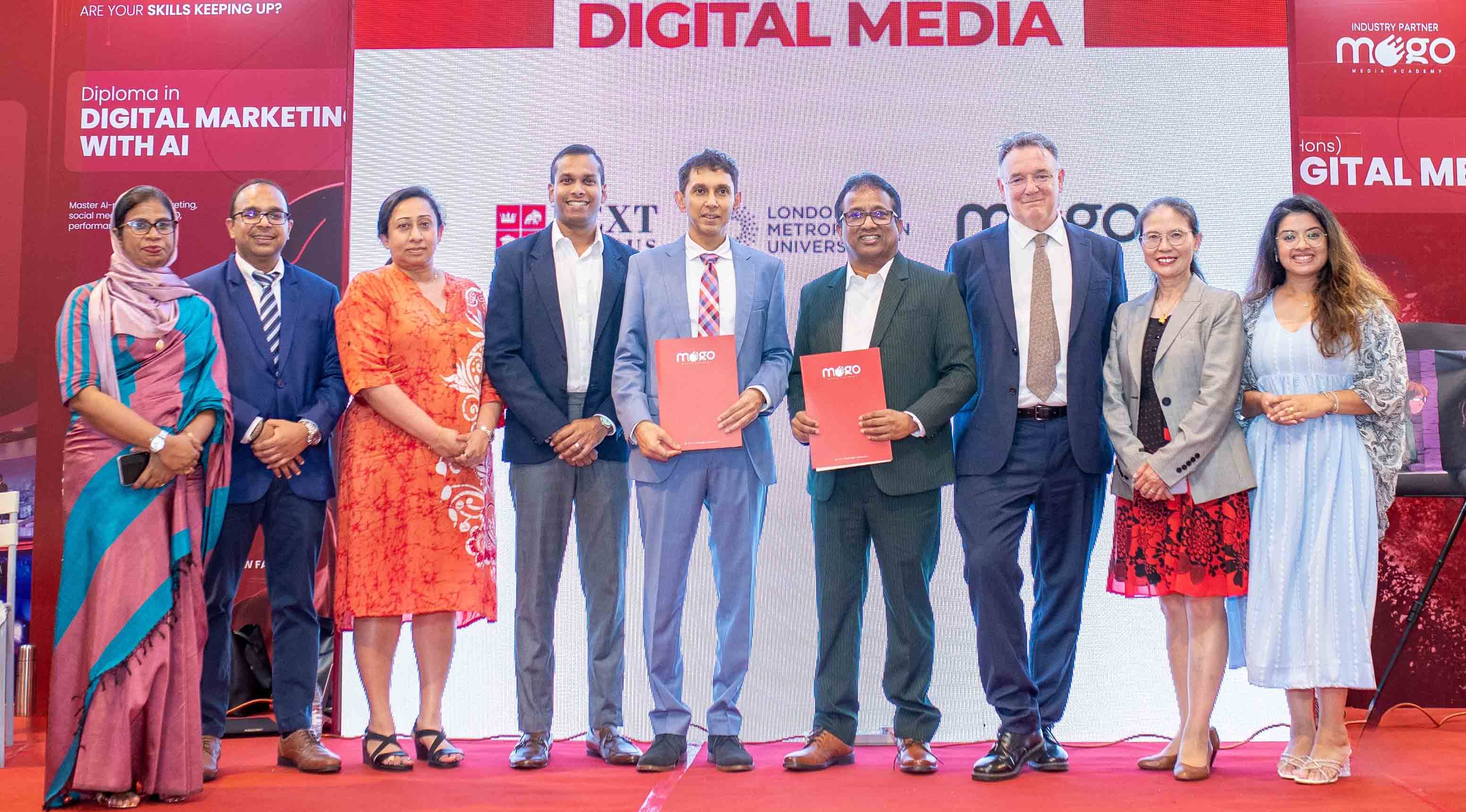
Dr. Dusty Alahakoon, Chairman, NEXT Campus; Chris Lane, Dean, School of Computing and Digital Media; and Madhawa Madawala, Director, MOGO Media Academy
MOGO Media Academy has partnered with NEXT Campus to offer the BA (Hons) Digital Media degree awarded by London Metropolitan University, United Kingdom, providing Sri Lankan students with access to an internationally recognised degree programme that combines British higher education with practical, industry-focused creative learning.
The strategic partnership brings together NEXT Campus’s established academic collaboration with London Metropolitan University and MOGO Media Academy’s expertise in practical digital media and creative industry training. The collaboration is aimed at preparing students for a rapidly evolving digital economy, where demand continues to grow for professionals with strong creative, technical and digital capabilities.
NEXT Campus is a recognised Sri Lankan academic partner of London Metropolitan University and delivers franchised British qualifications at bachelor’s, master’s and doctoral levels. Through its academic partnerships, NEXT Campus has focused on providing internationally recognised higher education programmes that respond to changing industry requirements while enabling Sri Lankan students to pursue globally relevant qualifications locally.
The introduction of the BA (Hons) Digital Media degree through its partnership with MOGO Media Academy represents a further expansion of NEXT Campus’s academic offering and reflects the growing importance of digital media skills across industries. The programme is designed to bring together academic knowledge, creative development and practical application, giving students the opportunity to build both the expertise and professional capabilities required to enter a competitive digital media landscape.
MOGO Media Academy is a creative education and professional training institution focused on developing practical, industry-relevant skills across digital media, design, content creation and emerging creative technologies. Through hands-on learning, industry engagement and project-based training, the Academy has sought to equip aspiring creative professionals with the technical knowledge, creative confidence and professional portfolios required to pursue careers in the rapidly changing media and digital industries.
The BA (Hons) Digital Media degree is designed to develop a broad combination of technical, creative, production, marketing and management skills. Students will explore how digital projects are conceived, designed, produced and managed, while developing their understanding of creative practice, technology, critical thinking and the wider digital media environment.
The programme covers a diverse range of contemporary areas, including digital imaging, two-dimensional animation, three-dimensional modelling and texturing, game design, moving image production, visual effects, extended reality, motion branding, social media strategies, user experience design, digital project management, app design, creative coding and web design.
A key feature of the programme is its emphasis on practical learning and project development. Students will have opportunities to take creative concepts through to completed digital media projects while building a professional portfolio that can demonstrate their capabilities to prospective employers and industry partners. Assessment will include individual and group projects, presentations, written assignments and a final project, allowing students to demonstrate both their academic understanding and practical abilities.
The partnership with MOGO Media Academy is expected to further strengthen the industry orientation of the degree by exposing students to practical perspectives from the creative and digital media sectors. Through industry engagement, professional networking and creative projects, students will have opportunities to connect their academic learning with the expectations and realities of the workplace.
Commenting on the partnership, Founder and Chairman of NEXT Campus (NEXT Education Group), Dr. Dusty Alahakoon, said: “We are delighted to partner with MOGO Academy to offer the BA (Hons) Digital Media degree awarded by London Metropolitan University. This collaboration brings together internationally recognised British higher education and industry-focused creative learning. It will provide Sri Lankan students with the knowledge, practical experience and professional confidence needed to succeed in the global digital economy.”
Head of MOGO Academy, Madonna Joy, said: “This partnership represents an important advancement for digital media education in Sri Lanka. We look forward to sharing our industry knowledge and creative expertise while supporting students in developing the practical and professional skills required by today’s digital media sector.”
With digital transformation influencing virtually every sector, graduates of the programme will be positioned to explore career opportunities across a wide range of fields, including digital content creation, motion graphics, multimedia production, visual effects, social media, user experience design, web design, digital marketing, journalism, animation, gaming and media production.
The partnership was officially announced with the exchange of the Industry Partnership Agreement between NEXT Campus and MOGO Media Academy during the Mid EdEx Expo held at the BMICH in Colombo.
The occasion was attended by Dean of the School of Computing and Digital Media, Chris Lane; Chairman of NEXT Campus, Dr. Dusty Alahakoon; and Executive Director and Chief Operating Officer of TV Derana, Madhawa Madawala, together with members of the leadership teams of both institutions.
The agreement marks another step towards strengthening industry-integrated higher education in Sri Lanka and expanding access to globally recognised qualifications in emerging fields. Through the collaboration, NEXT Campus and MOGO Media Academy aim to create a learning pathway that combines the academic standards of a UK university degree with practical exposure to the skills and technologies shaping the future of the digital media industry.
25.09.2026
###########################################################################################
SLIIT and Liverpool John Moores University Open Dedicated International Learning Facility in Colombo
By Vipula Amarasinghe

The Sri Lanka Institute of Information Technology (SLIIT) and Liverpool John Moores University (LJMU), United Kingdom, have opened a dedicated international learning facility in Colombo, marking a new stage in their longstanding academic partnership.
Located on Dickmans Road, Colombo 04, the new facility, named SLIIT International in Collaboration with Liverpool John Moores University, is dedicated to the delivery of LJMU degree programmes in Sri Lanka.
The opening ceremony was attended by British High Commissioner to Sri Lanka Andrew Patrick as Chief Guest, together with senior representatives from SLIIT, LJMU, the British Council, academia, industry and other stakeholders.
The facility is the first academic centre in Sri Lanka dedicated exclusively to delivering LJMU degree programmes, according to SLIIT. It is expected to support the expansion of programmes while providing students with a learning environment focused on the UK university’s academic offerings.
The SLIIT-LJMU partnership has continued for more than a decade and has produced a growing alumni network of more than 1,500 graduates. The collaboration enables Sri Lankan students to pursue internationally recognised UK qualifications while remaining in the country.
The new facility is also expected to provide opportunities for deeper academic collaboration between the two institutions, including research, innovation and student engagement.
SLIIT Vice-Chancellor, Managing Director and Chief Executive Officer Prof. Lalith Gamage said the new facility represents an important chapter in the partnership and reflects the institutions’ shared objective of providing Sri Lankan students with an international education experience locally.
He said the collaboration is focused on developing graduates with global perspectives, critical thinking abilities, professional skills and career readiness.
Prof. Timothy Nichol, Pro-Vice-Chancellor of the Faculty of Society and Culture at Liverpool John Moores University, said the opening represented a significant milestone for LJMU and its partnership with SLIIT.
He noted that the facility would provide a foundation for further academic collaboration, innovation, research and student engagement.
A panel discussion titled “Beyond Borders: The Role of British Higher Education in Developing Globally Competitive Graduates” was also held as part of the inauguration.
The discussion examined the development of international higher education opportunities in Sri Lanka, the expansion of UK degree programmes, academic quality, graduate employability and the importance of developing skills relevant to an increasingly global economy.
The panel included Prof. Lalith Gamage, Prof. Timothy Nichol, British Council representative Sajeewa Meepage and SLIIT Board Member Dr. Harsha Cabral.
The discussion also covered emerging opportunities in fields including law, business, psychology and artificial intelligence, while examining the role of internationally recognised qualifications in strengthening graduate capabilities.
The ceremony featured addresses by British High Commissioner Andrew Patrick and British Council Sri Lanka Country Director Clare Sears.
A ceremonial exchange of the partnership document between SLIIT International and Liverpool John Moores University further marked the continuation of the collaboration.
The establishment of the dedicated facility is expected to support the next phase of the SLIIT-LJMU partnership, with both institutions focusing on expanding international education opportunities and developing graduates equipped to participate in a rapidly changing global economy.
24.09.2026
################################################################################################
From the Top of the World to the Depths of the Ocean
By Prashant Kumar Raut

When people talk about climate change, they often think of mountains and oceans as separate problems. Melting glaciers and rising seas seem unrelated. But they are closely connected. A glacier melts, its water flows into a river, the river reaches the ocean, and the ocean rises up the shore. This connection is the heart of the story.
The world's mountains are the planet's water towers. From the Himalayas to the Alps, from the Rockies to the Andes, their glaciers hold most of Earth's freshwater. In a normal year, ice builds up in winter and melts slowly through summer. This gives hundreds of millions of people downstream a steady supply of water.
But this system is breaking down.
High mountain areas are warming much faster than the rest of the planet. In the Hindu Kush Himalaya, temperatures rose about twice as fast as the global average between 1980 and 2020. Glaciers are losing ice at both ends: less snow in winter, more melting in summer. A report from the International Centre for Integrated Mountain Development found that ice loss in the region has doubled since 2000, and much of it cannot be reversed.
There is a name for the turning point ahead: peak water. At first, faster melting means more river flow, so downstream communities get more water than usual. But once that peak passes, the flow drops and will not recover. When this happens depends on how much ice a basin holds. The Indus has more glacier cover, so it will peak later. The Ganges and Brahmaputra have less, so they are expected to peak before the middle of this century. After that, the water is gone.
Once water leaves the glacier, it enters rivers and begins its long journey downhill. But water is not the only thing making that journey. The Himalayas and the Tibetan Plateau erode faster than almost anywhere else on Earth. Their rivers carry a large share of all the sediment that reaches the oceans. That sediment is full of carbon, which settles in the deep waters of the Arabian Sea, the Bay of Bengal, and the South China Sea. For a long time, scientists did not notice this part of the global carbon cycle.
Rivers are not the only link between mountains and oceans. The South Asian summer monsoon pulls moisture off the Indian Ocean and drops it as rain over the Himalayas. This feeds the glaciers and the snow. Those glaciers and snowfields then shape the monsoon in return, because their bright white surfaces reflect sunlight and cool the air above them. Less ice means less reflection, and a monsoon that behaves differently than it used to.
The Indian Ocean is warming fast. Warmer surface waters drive stronger, more erratic monsoon rain, with long dry spells broken by extreme downpours. That speeds up glacier melt and raises the risk of floods from bursting glacial lakes and of landslides.
Now the story reaches the sea. The ocean is not the end of the line. It is where changes upstream come back around.
Sea level rises in two ways: warm water takes up more space than cold water, and melting glaciers and ice sheets add more water on top of that. The Atlantic, Pacific, Arctic, and Southern Oceans are all warming, and the Indian Ocean is no exception. Even a small rise can push water a long way inland, because so much of the coast is nearly flat and gives the water nothing to push back against.
The world's great deltas are where this story comes together. The Ganga-Brahmaputra, the Nile, the Mississippi, and the Mekong are each fighting a two-front war. The land is sinking because the sediment that used to rebuild it is trapped behind dams or carried away by rivers that no longer flow the way they did. At the same time, the water is rising. The Bay of Bengal is already creeping up.
Coastal megacities like Mumbai, Kolkata, Colombo, Dhaka, Shanghai, New York, and Lagos are being hit from several directions at once. The sea is rising. Storm surges are getting stronger. Saltwater is seeping into the freshwater they drink. And the mangroves and wetlands that once protected them are disappearing.
In the mountains, springs are drying up. Communities from the Himalayas to the Andes and the Alps live with the constant threat of floods from bursting glacial lakes. In the Hindu Kush Himalaya alone, some 870 million people depend on water that comes from glaciers. For them, this is not an abstract idea. It is about whether their fields get water in the dry season.
Down in the deltas and along the coasts, fishermen and farmers in Bangladesh, Egypt, Vietnam, and the Maldives are losing land to saltwater and watching the monsoons grow harder to predict. Mountain and ocean, the two ends of the thread, are tied together by more than water. They share the same vulnerability.
The response has to be as interconnected as the problem. Early warning systems in mountain valleys can save lives when a glacial lake bursts. Building in deltas in ways that can survive higher water can slow the loss of land. And water management has to cross borders and stretch from mountain to sea, because no single country can manage a river it shares.
The fate of the highest peaks and the deepest seas is not separate. They are one system. A rockfall in a high mountain valley and a flood in a coastal megacity are not two unrelated events. They are the same event, arriving in different places and at different times.
From the top of the world to the depths of the ocean, the climate crisis is one story, and it is still unfolding. We are not watching it from the outside.
20.09.2026
###############################################################################################
UK university invests £15m amid sector-wide cuts
University College Birmingham expands facilities and career opportunities for Sri Lankan students

University College Birmingham (UCB) is investing £15 million in new facilities and commercial operations as universities across the UK face financial pressures, staff reductions and programme cuts, creating new opportunities for international students, including those from Sri Lanka.
A specialist institution focused on hospitality, culinary arts, business and professional education, UCB has invested more than £300 million in facilities over the past five years. Its latest expansion includes the acquisition of the iconic Cube Hotel in Birmingham city centre and the transformation of the former Marco Pierre White restaurant and 52-bedroom hotel into a state-of-the-art training facility.
The development is expected to create more than 150 hospitality jobs while providing students with practical experience in live commercial environments alongside their academic studies.
The university is also expanding its commercial operations with plans for a new restaurant in Harborne, a café, restaurant and bar at its Summer Row campus, and the refurbishment of the existing restaurant at Birmingham College of Food.
For Sri Lankan students, the expansion offers an opportunity to gain both internationally recognised qualifications and practical industry experience across hotel operations, fine dining, restaurant management, conferences and events, and food and beverage services.
“UCB’s investment is particularly significant at a time when families in Sri Lanka are carefully considering the value of an overseas education,” said Raees Ul Haq, Founder of The Students Visa (TSV), one of UCB’s official partners in Sri Lanka. “The university is continuing to invest in student experience and career development while much of the sector is under financial pressure. Students can graduate with a degree as well as meaningful commercial experience, which can strengthen their prospects in the UK and international markets, including the Middle East, Europe and Sri Lanka.”
The university’s commercial model is designed to give students exposure to professional environments while developing skills that can support future careers or entrepreneurial ambitions. For Sri Lankan graduates returning home, experience gained in international hospitality settings can also provide a strong foundation for establishing businesses in the country’s growing hospitality, tourism and food and beverage sectors.
UCB is currently recruiting experienced hospitality professionals, including former students, for management positions across its new venues. Major refurbishment work is being fast-tracked, with further details on opening dates and recruitment opportunities expected later this year.
Students may also be able to undertake permitted work while studying, subject to the conditions of their UK visa. This can provide opportunities to gain additional industry experience and develop professional skills while helping students manage some living costs.
The Students Visa, operating under Magenta Smiley PVT Ltd in Colombo, is an international student recruitment consultancy specialising in UK university placements. TSV is an official partner of UCB and more than 40 other UK universities, with a team of seven certified counsellors who support students and families with university selection, programme suitability, visa pathways, financial planning, and career prospects.
TSV holds British Council, AIRC, ECANZ and ICEF certifications and provides guidance tailored to individual student requirements. Students and parents interested in UCB’s Hospitality, Culinary Arts, Business or Events Management programmes can contact The Students Visa for further information and confidential counselling.
08.09.2026
##############################################################################################
CAHM at SLIIT Opens New Global Career Pathways for Hospitality Students
By Vipula Amarasinghe
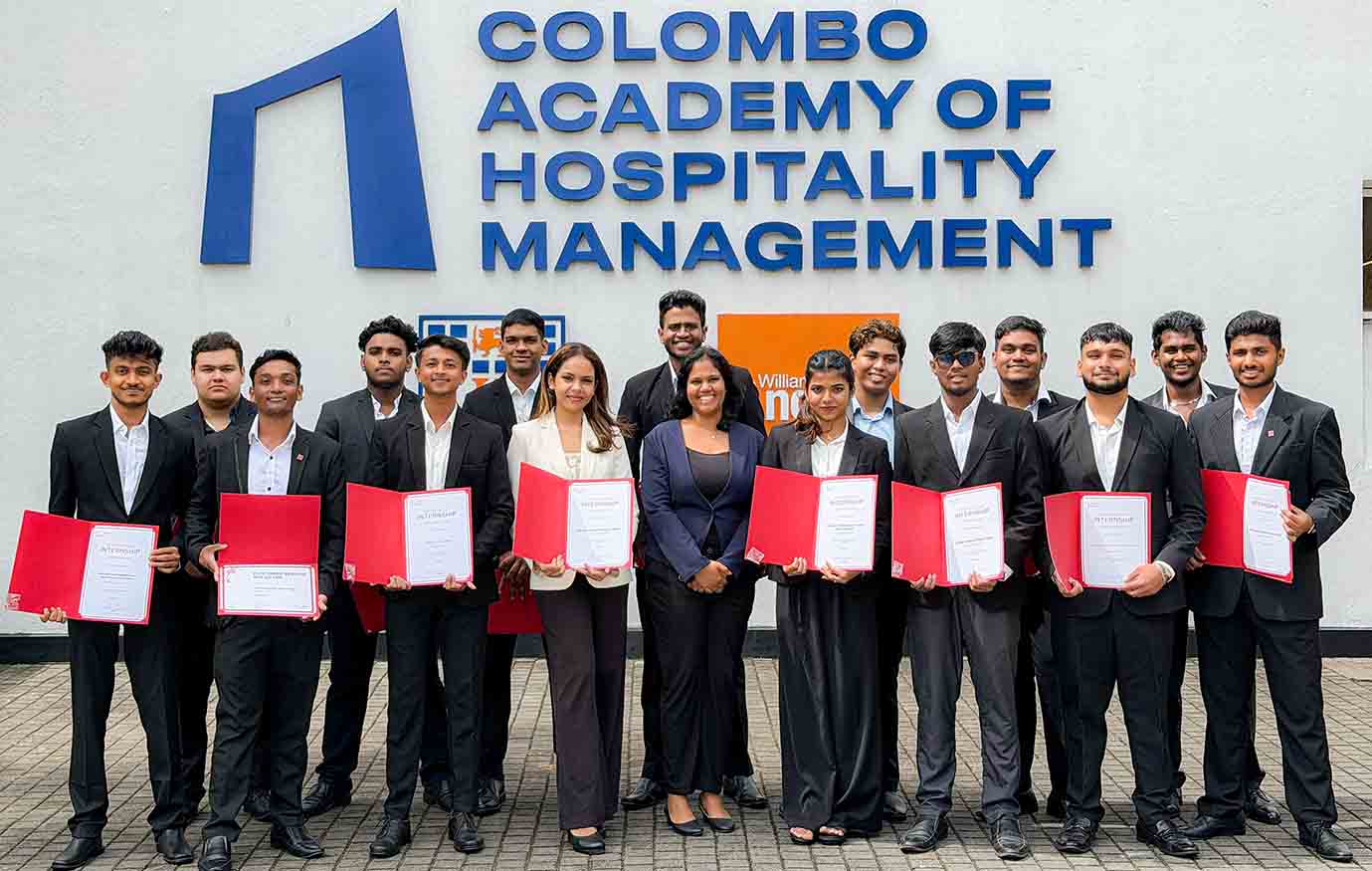
The Colombo Academy of Hospitality Management (CAHM) at SLIIT is strengthening its international focus by expanding overseas training opportunities for Sri Lankan students through its partnership with CÉ LA VI Singapore, one of Asia’s prominent hospitality and lifestyle destinations.
The collaboration provides selected students with the opportunity to undertake three-month internships at CÉ LA VI Singapore, located at the iconic Marina Bay Sands. The programme is designed to give aspiring hospitality professionals practical exposure to international standards while allowing them to experience the demands of working in a multicultural environment.
CAHM, which specialises in Hospitality Management, Commercial Cookery, Patisserie, Tourism and Events, has developed its education model around a combination of academic learning and practical industry training. Through its partnership with William Angliss Institute of Australia, the academy also provides internationally aligned education designed to prepare students for careers in the rapidly evolving hospitality sector.
Rather than relying solely on classroom-based instruction, CAHM provides practical learning through professional kitchens, training restaurants and simulated hospitality environments. This approach enables students to develop technical and workplace skills before entering the industry.
The partnership with CÉ LA VI adds an important international dimension to this training. Students selected for the internship programme can gain first-hand experience in professional kitchen operations, service standards, premium guest experiences and workplace practices within a major international hospitality destination.
Students enrolled in Hospitality Management, Commercial Cookery and Patisserie programmes are eligible to be considered for the overseas internships. Selection is conducted through an interview process, allowing suitable candidates to be identified for the international placement.
Since the partnership began in 2025, CAHM has successfully sent five batches of students to CÉ LA VI Singapore, providing a growing number of young Sri Lankan hospitality professionals with direct exposure to an international workplace.
The benefits of the programme extend beyond technical knowledge. Students have the opportunity to develop confidence, independence, adaptability, teamwork, communication and professional discipline while learning to work alongside people from different cultural backgrounds.
Participants also receive an internship allowance during the programme, adding further value to the overseas training experience.
CÉ LA VI Singapore forms part of an international hospitality and lifestyle brand with a presence in destinations including Taipei, Tokyo, Dubai and London. Its Singapore venue combines dining, entertainment and hospitality experiences in a high-profile setting at Marina Bay Sands.
For Sri Lankan students seeking international careers in hospitality, such industry exposure can provide an important advantage in understanding global expectations and workplace standards.
CAHM’s expanding international partnerships demonstrate the growing importance of connecting hospitality education with real-world industry opportunities. By linking students with established global hospitality brands, the academy is creating pathways for young Sri Lankans to gain international experience while building skills that can support careers both overseas and in Sri Lanka.
With internationally recognised qualifications, practical training and opportunities for overseas internships, CAHM at SLIIT is positioning itself as a platform for developing a new generation of globally oriented hospitality professionals.
05.09.2026
############################################################################################
Sri Lankan Expertise and AI Technology Take Centre Stage in Cambridge Launch of the Economic Crime & Geopolitics Index (ECGI)

The Economic Crime & Geopolitics Index (ECGI) was introduced at Jesus College, University of Cambridge, during the 43rd Cambridge International Symposium on Economic Crime, in Workshop 5, which focused on strategies to combat economic crime across South Asia and ASEAN.
The ECGI comes at a critical moment for the region. Public reporting has highlighted significant economic-crime concerns, including Sri Lanka’s alleged US$1 billion illegal outward-transfer scheme, ongoing corruption investigations linked to SriLankan Airlines, and large-scale allegations involving Philippine flood-control projects.
These cases underline a wider point: economic crime can no longer be understood only as corruption, fraud, or financial misconduct. It increasingly functions as a threat to governance, institutional resilience, public trust, and national security.
The ECGI is designed to move beyond periodic and perception-heavy indexes by reading economic crime as a living system. It integrates corruption depth, AML/CFT exposure, economic-crime severity, public response, civic trust, institutional confidence, reporting behaviour, and geopolitical drivers of foreign influence.
With Conscience IQ and Mithra technology embedded as enabling layers, ECGI can move beyond a comparative index toward a dynamic index engine.
Conscience IQ contributes measurement of human-factor signals such as corruption tolerance, civic trust, reporting fear, institutional fatigue, moral rationalisation, and public-response dynamics.
Mithra from Mimami based shelter zoom strengthens the evidence layer through tokenized documents, verifiable data lineage, chain of custody, audit-ready citations, and evidence-linked AI-assisted outputs.
Together, these capabilities allow ECGI to move from periodic measurement toward dynamic foresight: describing risk, rehearsing scenarios, and identifying how economic-crime systems may respond before institutional, financial, or civic harm escalates.
Initially focused on South Asia and ASEAN, the ECGI will expand to other regions and develop collaboration with leading economic-crime researchers, investigators, policymakers, and practitioners worldwide.
The Cambridge event also marked the launch of the ECGI introductory video, followed by a panel discussion chaired by Asanga Abeyagoonasekera, Senior Fellow, The Millennium Project, with Ms. Dzung Le, GlobePay Ltd.; Rt. Reverend Dr. Kirby de Lanerolle, Conscience IQ; and Archibald Prempeh, Volkswagen Financial Services (UK) Ltd.
The aim is not another league table. The aim is a dynamic index engine for economic-crime foresight, evidence integrity, civic resilience, and reform rehearsal.
29.08.2026
##########################################################################################
WIST champions inclusive vocational education
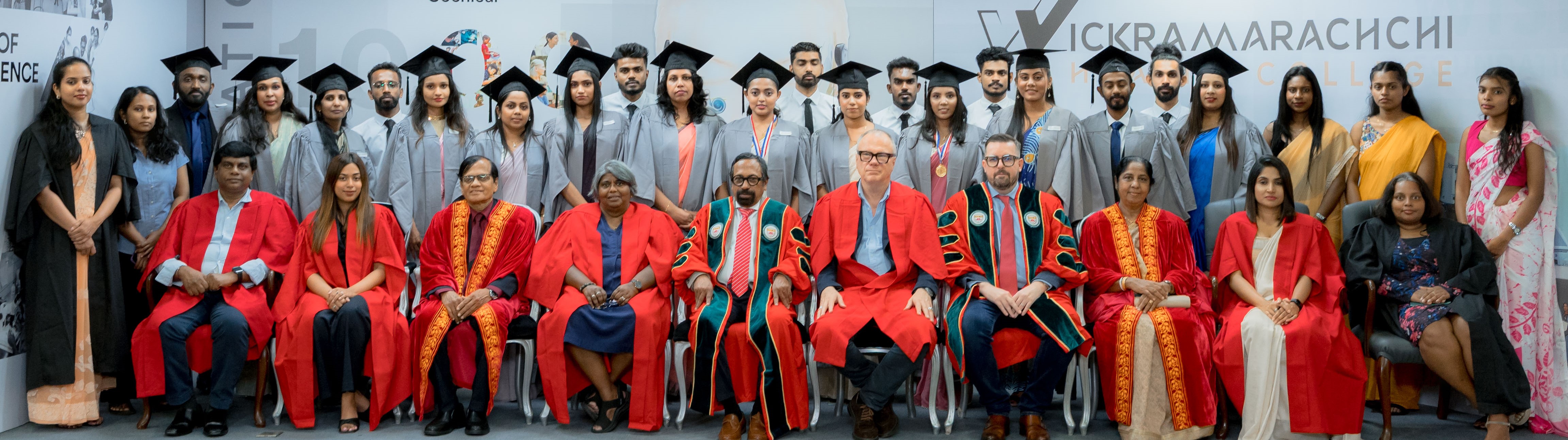
Over 40 students with hearing and speech impairments graduate with industry-recognised optical qualifications.
The Wickramarachchi Institute of Science & Technology (WIST), in collaboration with the Delegation of German Industry and Commerce in Sri Lanka (AHK Sri Lanka) and Deutsche Gesellschaft für Internationale Zusammenarbeit (GIZ) GmbH, recently celebrated the graduation of more than 40 students with hearing and speech impairments at a special ceremony held at the Wickramarachchi premises in Delkanda.
The graduation marked a significant milestone in advancing inclusive vocational education and creating greater opportunities for persons with disabilities to pursue meaningful careers. The graduates completed the Certificate Course in Optical Technician, jointly awarded by WIST and GIZ, while also receiving the National Vocational Qualification (NVQ) Level 3 in Optician (Ophthalmic), accredited by the Tertiary and Vocational Education Commission (TVEC).
The dual qualifications provide graduates with industry-recognised technical competencies and practical skills required to build successful careers within Sri Lanka's growing optical healthcare sector, while reinforcing the importance of equal access to quality vocational education.
Speaking at the ceremony, Chairman of the Wickramarachchi Institute of Science & Technology, Dr. Mihira Wickramarachchi, said the graduation reflected the institute's long-standing commitment to ensuring that education remains accessible to all. "Every individual deserves the opportunity to learn, develop their skills and build a successful career. Today's graduation is not only a celebration of academic achievement but also of resilience, determination, and the limitless potential of these remarkable graduates. We are proud to have played a role in their journey and remain committed to creating an inclusive learning environment where every student has the opportunity to thrive and contribute meaningfully to society."
He further noted that strong partnerships between educational institutions, industry and international organisations are essential in creating sustainable opportunities for persons with disabilities while addressing the country's growing demand for skilled professionals.
The programme represents the shared commitment of WIST, AHK Sri Lanka and GIZ to promoting inclusive education, developing industry-ready professionals and creating equal opportunities for individuals with disabilities to participate confidently in the workforce. As part of its ongoing commitment to supporting accessible education, J.M. Wickramarachchi & Co. (JMW) also awarded scholarships to all students enrolled in the programme, further easing financial barriers and encouraging them to complete their professional qualifications.
The graduation ceremony brought together representatives from the partner organisations and distinguished guests, including Chairman of the Wickramarachchi Institute of Science & Technology Dr. Mihira Wickramarachchi; CEO of JMW and Honorary Academic Advisor of WIST, Liza Wickramarachchi; Director of WIST and CTO of JMW, Dr. Cole Lomas; Chief Delegate of the Delegation of German Industry and Commerce in Sri Lanka, Martin Klose; Chief Advisor of WIST, Prof. Savithri Wasundara Wimalasekara; Head of Education and Training of WIST, Kushani Nadeema Samarasekara; and Head of Project Technical of GIZ GmbH, Kumudhini Rosa.
Representatives from the partner organisations reaffirmed the importance of collaborative initiatives that expand access to high-quality vocational education while equipping persons with disabilities with the technical expertise, practical experience and confidence required to secure sustainable employment. The partnership serves as a model for how academia, industry and international development organisations can work together to build a more inclusive workforce.
Beyond recognising academic success, the ceremony celebrated the perseverance, determination and aspirations of the graduates, many of whom have overcome significant barriers in pursuing professional education. Their achievements stand as a powerful reminder that inclusive education has the ability to transform lives, strengthen communities and contribute to a more equitable society.
07.08.2026
#############################################################################################
Capacity Building Programme for 03rd Batch of Local Government Representatives
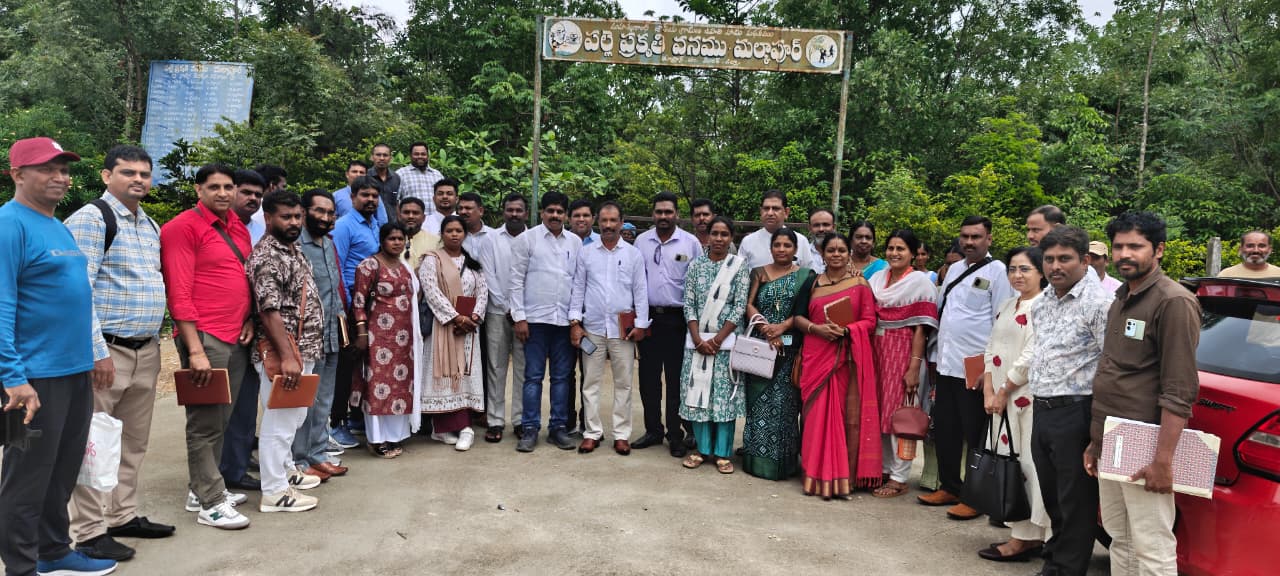
Third batch of 28 Local Government Representatives from 10 different political parties of Sri Lanka successfully completed a 10-day knowledge exchange and capacity-building programme at the National Institute of Rural Development and Panchayati Raj in Hyderabad. The programme spanned two states i.e Telangana and Tamil Nadu from 20-29 July 2026.
The programme covered a wide range of thematic areas designed to strengthen the knowledge and capacities of Sri Lankan local government representatives. Key sessions focused on the localization of the Sustainable Development Goals (SDGs) and the potential for achieving the SDGs through decentralized planning in Sri Lanka, drawing on India's initiatives and best practices. Participants also explored strategies for enhancing own-source revenue generation by Gram Panchayats, simple methods of economic surveying, and the functioning of primary healthcare and primary education systems in the state of Telangana.
To complement the classroom sessions, participants undertook field visits to fruit and horticulture research stations, Anganwadi Centers, cooperative banks, women-led dairy enterprises and Stree Nidhi and the Society for Elimination of Rural Poverty (SERP) office in Telangana to understand successful livelihood models.
The delegation also visited the Nilgiris in Tamil Nadu. In the Nilgris, participants observed best practices in welfare measures and amenities for plantation workers, visited primary healthcare and education institutions, and explored women-led rural livelihood initiatives. The study tour also included an interaction with the District Collector of the Nilgiris, along with visits to tea plantations and other local economic enterprises, providing valuable insights into integrated rural development and decentralized local governance.
The programme was organised under the enhanced capacity-building framework announced by Hon. Prime Minister of India, Shri Narendra Modi, during his State Visit to Sri Lanka in April 2025, offering 700 customised slots annually for Sri Lankan professionals.
01.08.2026
########################################################################################
SLIIT's ICAC Gains Full IEEE International Conference Status, Marking Global Milestone
By Vipula Amarasinghe
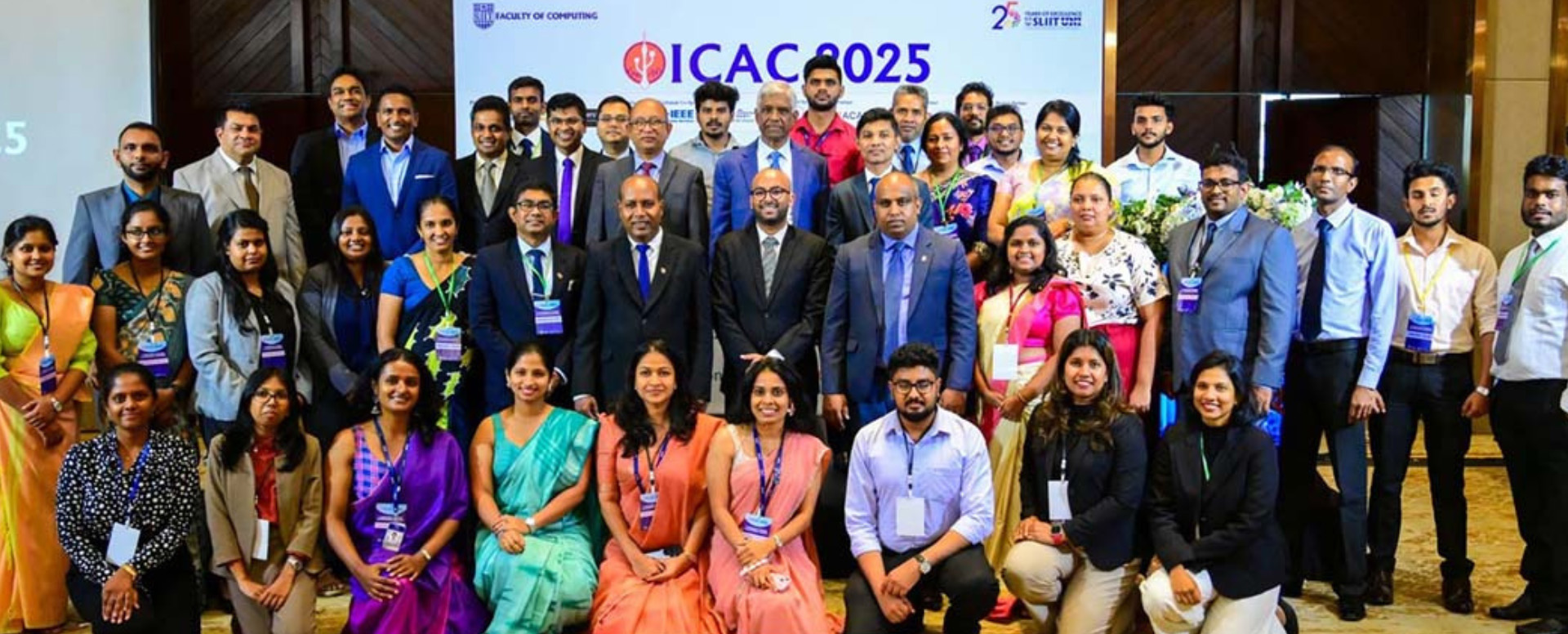
The Sri Lanka Institute of Information Technology (SLIIT) has achieved a significant milestone in its research journey, with its flagship International Conference on Advancements in Computing (ICAC) being elevated to a fully IEEE-sponsored international conference for 2026.
Organised by the Faculty of Computing, the event will now be officially presented as the IEEE International Conference on Advancements in Computing (ICAC 2026), reflecting a major enhancement in its global recognition and academic standing. The eighth edition of the conference is scheduled to take place on 9 and 10 December 2026 at the SLIIT campus in Malabe.
The conference has steadily grown into one of Sri Lanka's leading platforms for computing and information technology research since its launch in 2019. Over the years, it has brought together academics, researchers, industry experts and technology professionals from around the world to share emerging innovations and research findings.
Between 2019 and 2025, ICAC operated under the technical co-sponsorship of IEEE Sri Lanka. The move to full IEEE sponsorship in 2026 marks a major milestone in the conference's evolution, transforming it from a university-hosted event into a globally recognised IEEE international conference.
ICAC traces its origins to SLIIT's National Conference on Technology & Management, which was conducted for a decade before evolving into the current international conference format. Since 2019, the conference has been held annually without interruption, successfully adapting to fully virtual editions during the COVID-19 pandemic in 2020 and 2021.
Over its first seven editions, ICAC has published more than 600 peer-reviewed research papers, all indexed in IEEE Xplore and Scopus, while attracting more than 1,000 participants from Sri Lanka and overseas. The conference has also featured more than 20 keynote and invited speakers representing internationally renowned universities, including the University of Auckland, Imperial College London, Middlesex University London and Kyushu University.
Its expanding research profile is reflected in a Google Scholar h-index of 16, with conference tracks covering a broad spectrum of emerging technologies such as artificial intelligence, cybersecurity, computer vision, the Internet of Things (IoT), quantum computing and other advanced computing disciplines.
The conference's elevation comes amid SLIIT's own rapid growth as a research-intensive university. The institution now produces more than 300 Scopus-indexed research publications annually and has been ranked joint third among all Sri Lankan universities in the Times Higher Education World University Rankings 2026, the highest position achieved by a private university in the country. Several SLIIT academics have also been recognised among the world's top 2% of scientists in the Stanford–Elsevier rankings.
ICAC 2026 is expected to attract researchers, postgraduate students and industry professionals from Sri Lanka and around the world, providing a platform for presenting cutting-edge research and fostering international collaboration in computing and information technology.
01.81.2026
################################################################################################
English Skills Become Key Employability Benchmark in the AI Era, Educators Say at Cambridge Leadership Conference
By Vipula Amarasainghe

English language proficiency is rapidly emerging as one of the most important employability skills in the age of artificial intelligence (AI), according to education leaders who gathered at the Cambridge English Leadership Conference (CELC) 2026 in Colombo.
Organized by Cambridge University Press & Assessment, the conference brought together school principals, education leaders and English language educators from across Sri Lanka to discuss how schools can equip students with the communication, critical thinking and language skills required to succeed in an AI-driven world.
The conference highlighted the growing importance of learner-centred classrooms, meaningful assessment, data-driven feedback and strong communication skills in preparing students for future academic and professional success.
A key focus of the discussions was a recent Cambridge survey involving nearly 1,900 students across South Asia, which revealed that almost every respondent considers English proficiency essential for securing quality employment. However, around 30 percent identified a lack of English skills and confidence as one of the biggest barriers to finding jobs, while 57 percent admitted they do not feel fully prepared for employment placements.
The survey also found that more than 80 percent of students are actively pursuing additional qualifications, including technical certifications, internships and English language certifications, to improve their career prospects.
Speaking at the conference, Arun Rajamani emphasized that while AI is transforming education, strong communication skills remain indispensable.
"As AI becomes part of everyday learning, the ability to communicate, analyse and think critically becomes even more important. These skills are developed progressively throughout a child's education through listening, speaking, reading and writing," he said.
Rajamani noted that although students recognize the importance of English for future employment, many continue to struggle with confidence and communication, highlighting the need for schools to focus on measurable language proficiency alongside traditional English instruction.
Addressing the conference, Zahara Ansary stressed that English continues to be one of Sri Lanka's most valuable employability skills.
"Education opens minds. English opens doors. Together, they create futures without boundaries. Technical skills may secure an interview, but communication skills often determine career progression," she said, adding that Cambridge continues to work closely with schools, higher education institutions and preparation centres across Sri Lanka to expand access to internationally recognized English qualifications.
The conference featured expert-led sessions by Helen Kenyon, focusing on learner-centred teaching strategies, digital learning tools, assessment-based feedback, parent engagement and the evolving role of AI as a potential co-teacher in modern classrooms.
Participants also explored the importance of benchmarking English proficiency using internationally recognized standards. Cambridge English Qualifications, aligned with the Common European Framework of Reference (CEFR), were highlighted as effective tools for measuring students' progress in listening, speaking, reading and writing while helping educators identify areas requiring additional support.
The event concluded with a recognition ceremony honoring outstanding Cambridge English Preparation Centres from across Sri Lanka. Twelve institutions received special awards for excellence, including Boswell College International, Cambridge College of British English, Cambridge College of Linguistics & Education, English House Minuwangoda, ESOL College International, Gateway Language Centre Colombo, Institute of British Examinations Negombo, St. John Paul II Institute of Higher Education Wennappuwa, St. Sebastian's English Language Academy Moratuwa, UNEX College of Higher Education Kurunegala and Vinex College of English Kurunegala.
The conference underscored a clear message for educators and policymakers alike: while AI is reshaping education and the workplace, strong English communication skills remain a vital foundation for academic achievement, career success and global opportunities.
- 28.07.2026
- ############################################################################################
British Council Sri Lanka transfers vocational qualification attestation to TVEC

- Change takes effect in compliance with Sri Lankan law, ensuring smooth transitions
- From 1 August 2026, students and graduates requiring attestation of vocational or technical qualifications should contact TVEC directly
- British Council Sri Lanka will continue to provide attestation for UK university degrees and graduate diplomas awarded directly by UK awarding bodies
British Council Sri Lanka and the Tertiary and Vocational Education Commission (TVEC) announced that the attestation of vocational and technical qualifications will transfer from British Council Sri Lanka to TVEC with effect from 1 August 2026.
From 1 August 2026, the attestation of vocational or technical qualifications — including those linked to UK awarding bodies — will be done by TVEC. British Council Sri Lanka will continue to process all applications submitted on or before 31 July 2026. British Council Sri Lanka will continue to provide attestation for UK University degrees, graduate diplomas awarded directly by UK awarding bodies, Cambridge International, Pearson Edexcel and OxfordAQA O Level and A Level certificates as well as IELTS and Aptis certificates and ACCA qualifications.
British Council Sri Lanka and TVEC have also worked with the UK’s Department for Business and Trade (DBT) to ensure UK awarding bodies understand Sri Lanka’s regulatory requirements.
UK qualifications remain recognised and valued in Sri Lanka – the transition ensures that attestation is carried out in full compliance with the Tertiary and Vocational Education (TVE) Act No. 20 of 1990, which establishes TVEC as the national statutory authority responsible for the regulation, coordination, and quality assurance of tertiary and vocational education in Sri Lanka. Under the Act, all institutions delivering vocational training including post-secondary vocational and technical education must be registered with TVEC, and the courses they deliver must be individually accredited.
“The British Council Sri Lanka is committed to operating fully within Sri Lankan law and to supporting the integrity of the country’s education system. Our close collaboration with TVEC over the past year has ensured that this transition is smooth, transparent, and protects the interests of students and graduates. We are confident that UK qualifications will continue to be recognised and valued, and that this change strengthens the reliability of attestation services in Sri Lanka,” said Orlando Edwards, Country Director, British Council Sri Lanka.
“TVEC is the sole government body in Sri Lanka authorised to recognise vocational and technical qualifications in all fields of learning from certificate level up to Higher Diploma level. This is a practical change that provides greater clarity for students and providers while ensuring that vocational qualification attestation is carried out by the statutory authority responsible under Sri Lankan law. TVEC is well-placed to respond to all requests for attestation in an efficient manner and will take care of the best interests of Sri Lankan students in attesting qualifications,” said Dr K.A. Lalithadheera, Director General, Tertiary and Vocational Education Commission (TVEC).
British Council Sri Lanka has operated a qualification attestation service for many years, providing certified confirmation of qualifications to support students, graduates, and professionals seeking opportunities overseas. Following discussions with TVEC, British Council Sri Lanka recognises that TVEC is the statutory authority mandated under Sri Lankan law to undertake attestation of vocational qualifications. British Council Sri Lanka has been working closely with TVEC since October 2025 to ensure a smooth and well-managed transition.
26.07.2026
#############################################################################################
Allianz SE Supports Schoolchildren and Early Learners in Ditwah Cyclone Recovery Effort

Allianz, in partnership with the Sri Lanka Red Cross Society (SLRCS), is supporting education recovery efforts for children and families affected by the Ditwah Cyclone in Sri Lanka. The initiative is being implemented through the first tranche of Allianz's €200,000 commitment to Sri Lanka, which forms part of a wider €600,000 regional disaster relief and recovery program spanning Sri Lanka, Thailand, and Indonesia. The program is helping restore access to education and strengthen community resilience in some of the country's most affected districts.
The initiative focuses on vulnerable communities in Anuradhapura, Polonnaruwa, and Puttalam, where the cyclone significantly disrupted livelihoods, schooling, and daily life. By prioritizing education and child well-being, the program aims to ensure that children can continue their learning journeys despite the challenges posed by the disaster.
Recognizing the critical role education plays in both recovery and long-term resilience, the project has prioritized support for school-going children and early learners impacted by the cyclone. To date, 4,315 educational packs have been distributed across the three districts, providing students with essential school supplies and helping them return to structured learning environments.
In addition, children attending Early Childhood Development (ECD) centers have received stationery and play kits. These resources not only support early learning and development but also contribute to psychosocial well-being, helping young children cope with the disruption and uncertainty brought about by the disaster.
The program reflects Allianz's commitment to supporting communities not only in the immediate aftermath of disasters but also throughout the recovery phase, helping individuals and families rebuild their lives with confidence.
Allianz Insurance Lanka Ltd is a wholly owned subsidiaries of Allianz SE, a leading global financial services provider with core businesses in insurance and asset management, headquartered in Munich, Germany. Allianz SE has been recognized as the world’s no.01 insurance brand for the seventh consecutive year by Interbrand’s Best Global Brands ranking.
18.07.2026
#########################################################################################
Cash Still King: SLIIT Business School Study Exposes Sri Lanka’s Digital Trust Gap
As Sri Lanka’s digital economy expands, online shopping has become part of everyday life. Yet, despite growing internet use and the convenience of e-commerce platforms, many consumers still hesitate to fully trust digital transactions. For a large share of Sri Lankan shoppers, cash-on-delivery remains the safer option, revealing a critical trust gap that could shape the future growth of the country’s digital commerce sector.
This challenge formed the basis of a study conducted at SLIIT Business School by Prof. Ruwan Jayathilaka together with Ms. Isuri Udara, who completed the research as part of her MBA programme. The study, titled “Security Matters: Empowering E-Commerce in Sri Lanka Through Customer Insights,” was published in Humanities and Social Sciences Communications, a globally recognised journal published by Springer Nature and ranked among the top 1% of journals in the Scopus database within its subject category.
The research examined the factors that influence customer perceptions of security on e-commerce platforms in Sri Lanka. Drawing on data collected from online shoppers through both online and offline surveys, the study used advanced econometric analysis to identify what drives or weakens consumer confidence in digital platforms.
The findings show that trust in e-commerce is shaped by more than discounts, convenience or brand visibility. Platform quality, vendor system security, website reliability, payment authentication, privacy protection, security certificates, page loading speed and overall user experience were found to be among the strongest factors influencing customer confidence.
According to the study, many Sri Lankan consumers remain cautious about online payments due to concerns over misuse of financial information, weak data protection, fake products, delayed refunds, payment failures and the storage of card details. These concerns have strengthened the continued preference for cash-on-delivery, even as consumers increasingly browse, compare and purchase through digital platforms.
“Digital businesses cannot survive without customer trust,” said Prof. Jayathilaka. “People may visit an online platform once, but if they feel insecure about payments, privacy, or system reliability, they will not return. Understanding customer perceptions is therefore critical for the long-term sustainability of e-commerce businesses.”
For businesses, the study presents a clear message: digital trust is no longer only a technology issue. It is a business priority. E-commerce platforms, online retailers, fintech providers and digital startups must invest in secure payment systems, transparent privacy practices, reliable customer communication, stronger authentication and better platform performance if they are to retain customers over the long term.
“Many companies focus heavily on sales promotions and digital marketing,” added Prof. Jayathilaka. “But customers ultimately stay loyal to platforms they trust. Security, transparency, privacy, and system quality have become business priorities, not just technical features.”
The study also points to the need for stronger collaboration between businesses, universities and policymakers to build a more trusted digital ecosystem. It recommends stronger implementation of data protection frameworks, updated consumer protection regulations, regular monitoring of e-commerce platforms and greater public awareness of digital safety practices.
Through this research, SLIIT Business School highlights the role of applied academic research in addressing real industry challenges. As Sri Lanka’s digital economy continues to evolve, the study reinforces a simple but urgent message: without trust, digital growth cannot be sustainable.
14.07.2026
###################################################################################
Zahira College Scouts Strengthen Leadership and Unity at the Second MOASQAR Annual Scout Camp 2026

The 11th Colombo Scout Group of Zahira College Colombo successfully conducted the Second MOASQAR Annual Scout Camp 2026 under the theme "Strength Through Unity" from 26th to 29th June 2026 at Al Mubarak School, Malwana.
The four-day residential camp brought together more than 250 scouts of Zahira College Colombo for an immersive scouting experience aimed at developing leadership, discipline, teamwork, resilience, and self-reliance through practical outdoor learning.
Throughout the camp, participants engaged in a comprehensive programme of scouting activities, including campcraft, pioneering, navigation, first aid, outdoor survival techniques, leadership development sessions, team-building exercises, problem-solving challenges, cultural events, and campfire activities. These experiences enabled the scouts to strengthen their practical scouting knowledge while fostering friendship, responsibility, and respect for one another.
MOASQAR has become one of the flagship annual scouting initiatives of the 11th Colombo Scout Group, reflecting the group's continued commitment to producing responsible young leaders who uphold the values and traditions of scouting while making meaningful contributions to society.
Commenting on the success of the camp, Camp Organizer Husaindeen Najimudeen said:
"MOASQAR is more than just a scout camp. It is a platform where our young scouts learn to lead, serve, and grow together. Every activity is carefully designed to build confidence, discipline, teamwork, and resilience while strengthening the spirit of unity that defines scouting. We are proud to see more than 250 Zahira scouts embracing these values and preparing themselves to become responsible leaders of tomorrow."
The organizers expressed their sincere appreciation to the Scout leaders, volunteers, parents, old scouts, supporters, and well-wishers whose dedication and commitment contributed to the successful execution of the camp.
As the Second MOASQAR Annual Scout Camp concludes, it leaves behind lasting memories, stronger friendships, and a renewed commitment among the scouts of Zahira College Colombo to live by the Scout Promise and Law while continuing to serve their school and community with pride.
10.07.2026
############################################################################################
Academic Courses in India for Sri Lankan Students under Self financing Scheme
High Commission of India, Colombo invites applications from eligible Sri Lankan students (excluding PIO/OCI Card holders & NRIs) for Undergraduate Courses in MBBS, BDS, BE, B.Tech, B.Pharm, B.Arch, Diploma level Technical courses and Diploma in Pharmacy course under the Self Financing Scheme for academic year 2026-27.
Candidates who wish to apply for MBBS/BDS courses need to have at least 50th percentile in NEET exam and 50% each in Physics, Chemistry, Biology and English in A/L.
BE/B.Tech and Diploma in engineering candidates require a minimum of 60% each in Physics, Chemistry and Mathematics and 50% in English in A/L.
For B.Pharmacy and Diploma in Pharmacy, minimum of 60% each in Physics, Chemistry and Biology and 50% in English in A/L are required.
B.Arch aspirants have to mandatorily clear the aptitude test prescribed by the Council of Architecture, New Delhi.
Interested candidates could obtain the application forms from Education Wing of the High Commission of India, Colombo on any working day between 1400 and1600 hrs on production of G.C.E. O/L, A/L certificates and Birth Certificate.
Last date of receipt of complete application forms with all supportive documents at the High Commission is July 24, 2026.
07.07.2026
##############################################################################################
ESOL Premier Campus and OCN London partner to deliver internationally-recognised UK qualifications for students and professionals in Sri Lanka

Ms. Amali Jayasinghe, Director – ESOL Premier Campus; Mr. Himantha Karunarathne, Director – ESOL Premier Campus; Mr. Carlos Cubillo-Barsi, Chief Executive Officer – OCN London; Ms. Premila Paulraj, Regional Head – South Asia, OCN London; and Mr. Andrew Abinash, General Manager – ESOL Premier Campus, at the official launch of the exclusive partnership between ESOL Premier Campus and OCN London to offer internationally recognised, Ofqual-regulated UK qualifications in Sri Lanka.
Offering local students and professionals, access to world-renowned UK-accredited qualifications, ESOL Premier Campus has officially launched OCN London qualifications in Sri Lanka through an exclusive partnership with the UK awarding organisation. In operation since the 1970s, OCN London is a recognised UK Awarding Organisation regulated by Ofqual UK. ESOL Premier Campus is an established education provider with a track record of delivering universally recognised programmes. This provides a unique opportunity to gain globally accepted, Ofqual-regulated qualifications in English, Business Management, Education and Training, and Digital Marketing without having to travel abroad, while enhancing academic and career prospects.
This strategic partnership marks the first time these OCN London qualification pathways are being made widely accessible to learners in Sri Lanka, providing affordable and flexible alternatives to traditional higher education routes. Learners can progress from Level 3 to Level 7 qualifications while accessing global credentials that support academic advancement, professional development and career progression.
Elaborating further, Andrew Abinash, General Manager of ESOL Premier Campus says, “We are delighted to introduce OCN London qualifications to Sri Lanka through ESOL Premier Campus, creating new opportunities for learners to access internationally accepted UK qualifications without the need to travel overseas. As an Ofqual-regulated UK awarding organisation, OCN London is renowned for its commitment to quality, accessibility and learner progression, making this partnership a significant milestone in our mission to deliver world-class education opportunities locally.”
He adds further, “These qualifications provide students, professionals and lifelong learners with flexible pathways to higher education, career advancement and personal development while ensuring they receive learning and assessment aligned with international standards. Through this exclusive partnership, learners now have access to recognised progression pathways that can support university top-up opportunities and international study options, empowering Sri Lankans with credentials that are recognised and valued around the world.”
The opportunity to gain OCN London qualifications in Sri Lanka provides immense benefits for school leavers seeking globally reputed qualifications; students who have completed their O/Ls and A/Ls and are looking for alternative higher education pathways; working professionals seeking career advancement; teachers and aspiring educators interested in professional development qualifications; parents seeking quality international education opportunities for their children; entrepreneurs and corporate employees looking to strengthen their management expertise; and individuals considering overseas university progression opportunities.
The OCN London portfolio offered through ESOL Premier Campus includes OCN London ESOL International qualifications at CEFR B1, B2, C1 and C2 levels, the OCN London Level 4 Certificate in Education and Training, the Level 3 Certificate in Principles of Business Administration, the Level 4 Diploma and Level 5 Diploma in Business Management, as well as the Level 4 Certificate and Level 4 Diploma in Digital Marketing. These qualifications have been developed in accordance with international academic and professional standards and are designed to support progression into higher education and employment opportunities.
The ESOL Premier Campus ensures that students receive quality learning and assessment aligned with UK standards, while benefiting from clear progression pathways from Level 3 through Level 7 qualifications. Successful learners may also gain access to leading university top-up opportunities, further strengthening their academic and professional prospects.
In addition, the programmes offer affordability and flexibility for learners seeking internationally acknowledged qualifications in light of the growing demand for global credentials, English language proficiency, business knowledge and professional skills in today’s competitive workforce. Delivered through online and hybrid learning models, the qualifications enable learners to study from anywhere in Sri Lanka or internationally while balancing their personal and professional commitments.
This partnership between ESOL Premier Campus and OCN London brings UK-quality education closer to Sri Lankan learners by expanding access to globally accepted qualifications and creating practical pathways to higher education, career development and international progression opportunities. It also reinforces ESOL Premier Campus’ commitment to making international education more accessible and attainable for a wider community of learners.
06.07.2026
##############################################################################################
Embedding creativity in every classroom: A regional conversation on the future of English language teaching
The British Council has announced the South Asia TeachingEnglish Online Conference 2026, a free three-day event that will convene educators, researchers and teacher educators from across the region to examine one of the most pressing questions facing education today: how can schools equip learners with the creativity, adaptability and communication skills needed to thrive in an increasingly complex world?
Taking place from 23–25 July 2026, the online conference comes at a time when education systems across South Asia are grappling with the challenge of balancing curriculum demands, assessment pressures and evolving learner needs. While English remains a critical gateway to academic and professional opportunities, educators are increasingly seeking approaches that move beyond language acquisition alone to foster critical thinking, collaboration, learner agency and participation.
Against this backdrop, the conference will bring together leading voices from Bangladesh, India, Nepal, Pakistan and Sri Lanka to explore the role of creativity as a catalyst for deeper learning. Discussions will examine how multilingual classrooms can become more inclusive, how learner voice can be strengthened through innovative pedagogies, and how emerging technologies, including artificial intelligence, can be harnessed to enhance rather than replace human-centred teaching.
Through keynote talks, practitioner-led discussions and classroom case studies, participants will gain insight into how educators across South Asia are responding to shared challenges with locally relevant solutions. The programme will spotlight practical approaches that are helping teachers create more engaging learning environments, encourage meaningful participation and expand opportunities for learners from diverse backgrounds.
Orlando Edwards, Country Director, British Council Sri Lanka said: “Creativity plays a vital role in helping learners develop the communication, collaboration and critical-thinking skills they need to succeed in today's world. Through the South Asia TeachingEnglish Online Conference 2026, we are bringing together outstanding educators and teacher educators from across the region to share practical ideas, research-informed approaches and classroom strategies that teachers can adapt to their own contexts. We are delighted to offer this free professional development opportunity and look forward to welcoming educators from across South Asia and beyond.”
06.07.2026
###########################################################################################
Email: catswebnews@gmail.com
Tel; 94 777 212153
..... 94 777 305771