 >
IIT Madras Pravartak and Dialog Axiata Sign MoU to Strengthen Technology Collaboration
By Vipula Amarasinghe
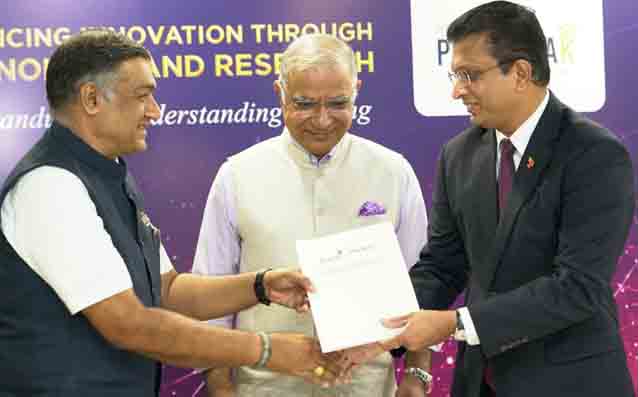
A new partnership between IIT Madras Pravartak Technologies Foundation and Dialog Axiata PLC aims to strengthen technological innovation, research and development, and industry collaboration between India and Sri Lanka.
The Memorandum of Understanding (MoU) was signed on 22 October 2026 in the presence of India's High Commissioner to Sri Lanka, H.E. Santosh Jha, establishing a framework to connect international research capabilities and technical expertise with Sri Lankan industries and universities.
The agreement was signed by Dr. M. J. Shankar Raman, Chief Executive Officer of IIT Madras Pravartak Technologies Foundation, and Supun Weerasinghe, Group Chief Executive and Executive Director of Dialog Axiata PLC.
The collaboration will explore five key areas: innovation and incubation; applied research and university laboratories; artificial intelligence and human-centric solutions; industry skills and talent development; and international knowledge sharing.
Through these areas of cooperation, the partnership seeks to create opportunities for closer engagement between researchers, academic institutions and the private sector. It is also expected to facilitate the exchange of knowledge and technical expertise, helping translate research capabilities into practical applications relevant to industry requirements.
Artificial intelligence and human-centric solutions will form one of the key areas of exploration, reflecting the importance of developing technologies that address real-world needs. Collaboration in applied research and university laboratories will also provide a framework for connecting academic expertise with industrial challenges and potential innovations.
The focus on innovation and incubation, alongside industry skills and talent development, is intended to support the development of new ideas and strengthen technical capabilities. International knowledge sharing will further enable the exchange of experience and expertise between the two countries.
On the sidelines of the signing ceremony, High Commissioner Santosh Jha participated in a fireside conversation with Dialog Axiata's senior leadership. The discussion covered technology, trade, supply chains and the importance of trusted partnerships in strengthening economic and technological cooperation.
The MoU represents another step towards advancing India–Sri Lanka collaboration in technology and research and development. By bringing together the expertise of an Indian technology research foundation and one of Sri Lanka's leading telecommunications companies, the partnership establishes a platform to explore opportunities for innovation, knowledge exchange and closer industry-academia engagement.
23.10.2026
#################################################################################################
Sri Mayurapathi Bhadrakali Amman Temple to Hold Athma Santhi Pooja for Nepal Disaster Victims
By Vipula Amarasinghe
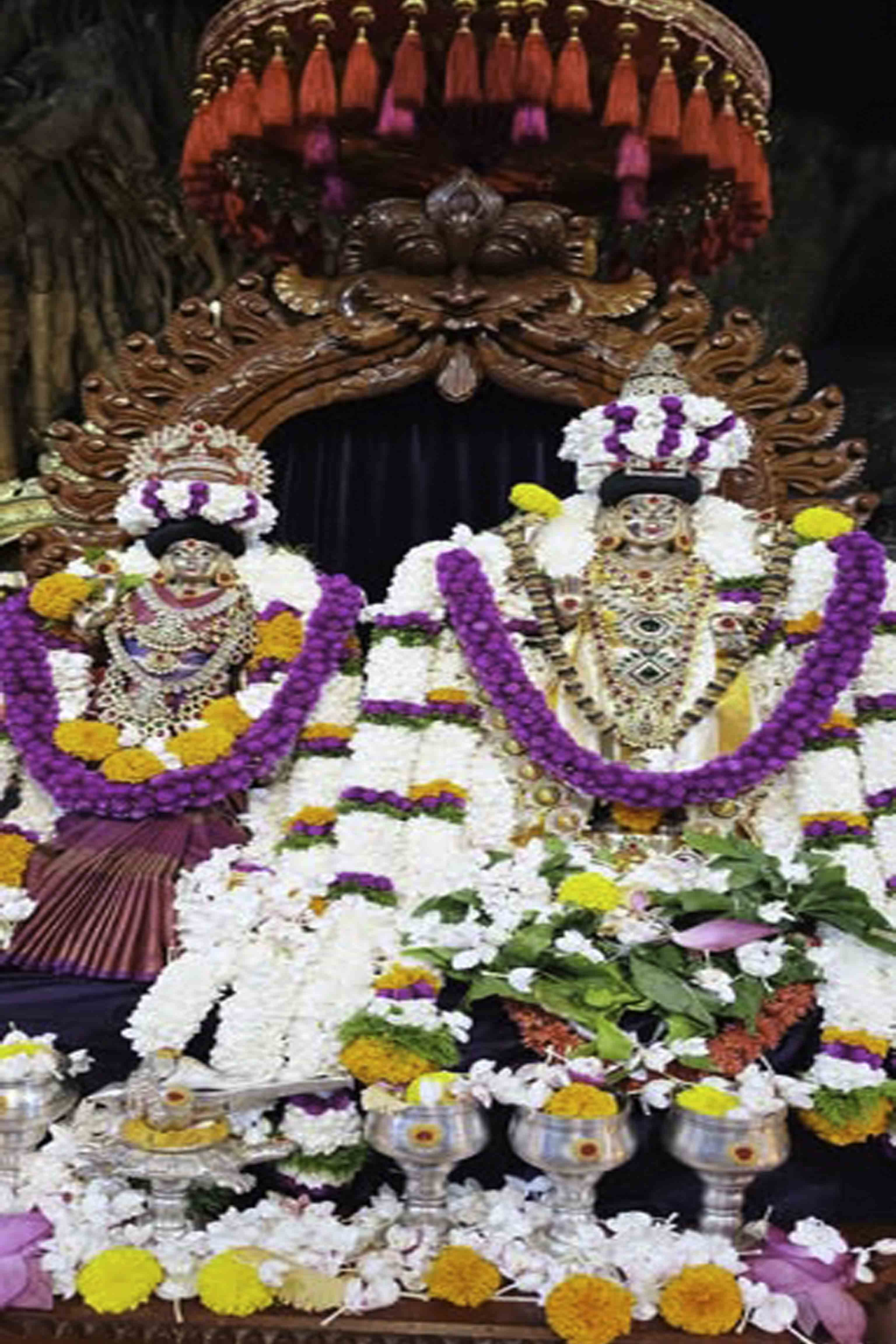
Sri Mayurapathi Bhadrakali Amman Temple will conduct a special Yaga Athma Santhi Pooja on Saturday, 24 October 2026, to invoke blessings for the spiritual peace and moksha of those who lost their lives in the recent floods and landslides in Nepal.
The religious ceremony is scheduled to commence at 4.00 p.m. at the Sri Mayurapathi Bhadrakali Amman Temple, bringing devotees together to offer prayers in memory of the victims of the natural disasters.
The pooja will focus on seeking Athma Santhi for the departed souls and offering spiritual solace to those affected by the tragic loss of life. Devotees will also pray for divine blessings and protection to prevent similar disasters from occurring in the future.
The temple has invited devotees and members of the public to participate in the special religious observance and join in prayers for the departed, while expressing solidarity with the people of Nepal during this difficult time.
The ceremony is expected to provide an opportunity for devotees to unite in compassion, remembrance and prayer, reflecting the spirit of humanity and shared concern for those affected by natural disasters.
The temple requests devotees to attend the pooja and participate in seeking blessings for the peaceful onward journey of the departed souls and the safety and well-being of people in Nepal and elsewhere.
23.10.2026
#############################################################################################
Nepal Embassy Celebrates Bada Dashain with Tika and Jamara Ceremony in Colombo
By Vipula Amarasinghe

The Embassy of Nepal in Colombo celebrated Bada Dashain 2083, marking Vijaya Dashami 2026, with a traditional Tika and Jamara blessing ceremony on Wednesday, 21 October, bringing together members of the Nepali community and friends of Nepal in Sri Lanka.
The ceremony was hosted at the Embassy of Nepal, where Chargé d’Affaires a.i. of Nepal to Sri Lanka, Mr Vijay Kumar Raut, offered Tika and Jamara blessings to Nepali nationals residing in Sri Lanka, Sri Lankan well-wishers, members of the Indian community and other friends of Nepal, together with their families.
The gathering reflected the cultural significance of Dashain, Nepal’s major annual festival, which celebrates family unity, blessings and the triumph of good over evil. The traditional application of Tika and the presentation of Jamara symbolised goodwill, prosperity and hopes for happiness and success in the year ahead.
Although many Nepali nationals celebrate the festival away from their homeland, the Colombo ceremony provided an opportunity to preserve cultural traditions, strengthen community bonds and share the spirit of Dashain with friends from different backgrounds.

In his message on the occasion, Mr Raut extended warm greetings and best wishes to all Nepali nationals living in Sri Lanka and the Maldives, as well as Sri Lankan friends, the Indian community and other well-wishers.
He highlighted the deep emotional and cultural significance of Dashain, describing it as a festival that connects people with their roots, families and traditions.
He noted that celebrating together in Colombo allowed the Nepali community to maintain a sense of belonging and unity despite being far from home.
Mr Raut also expressed his hope that Vijaya Dashami would bring happiness, peace, prosperity, good health and success to everyone. He invoked the blessings of Goddess Durga, wishing that they would provide strength to overcome challenges and move forward with confidence.
Concluding his message, he extended the traditional greeting, “Bada Dashain ko Mangalmaya Shubhkamana!” conveying his heartfelt wishes for an auspicious Dashain.
The Embassy expressed its sincere gratitude to everyone who attended the celebration and contributed to making the occasion memorable.
The event highlighted the importance of cultural diplomacy and people-to-people connections, reinforcing the longstanding bonds of friendship and goodwill among Nepal, Sri Lanka and the wider community in Colombo.
22.10.2026
##################################################################################################
India-Supported Model Village in Galle Provides Homes for 24 Families
By Alex Jayasooriya
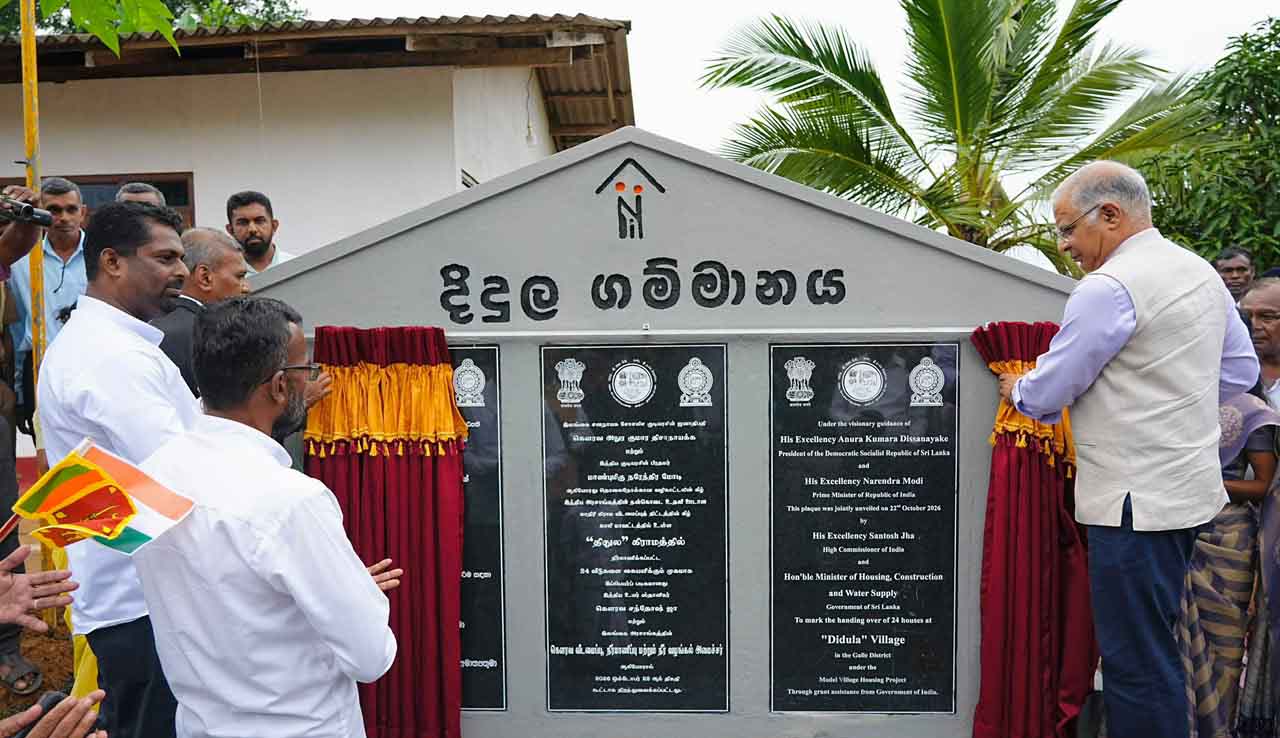
The 22nd Model Village under India’s grant-assisted housing programme in Sri Lanka has been inaugurated and handed over to beneficiaries in the Galle District, marking another milestone in efforts to provide permanent housing for low-income families.
High Commissioner of India to Sri Lanka, H.E. Santosh Jha, and Minister of Housing, Construction and Water Supply, Dr. H. M. Susil Ranasinghe, jointly inaugurated and handed over 24 housing units at the ‘Didula’ Model Village.
The housing initiative is being implemented across all 25 districts of Sri Lanka in collaboration with the Ministry of Housing, Construction and Water Supply, with grant assistance from the Government of India. The agreement for the project was signed by the governments of India and Sri Lanka in October 2017.
The programme aims to provide housing facilities for 600 low-income families, with each district’s model village comprising 24 houses. Beneficiaries are selected through the respective District Housing Committees.
With the completion and handover of the Didula Model Village, the project has now reached another significant stage in its islandwide implementation. Similar villages have already been inaugurated and handed over in 21 districts: Batticaloa, Vavuniya, Jaffna, Kandy, Gampaha, Anuradhapura, Badulla, Matale, Puttalam, Colombo, Trincomalee, Monaragala, Kilinochchi, Mannar, Mullaitivu, Ratnapura, Ampara, Kurunegala, Kegalle, Kalutara and Polonnaruwa.
According to project updates, implementation has reached approximately 98.6 per cent, with the remaining three model villages expected to be inaugurated and handed over to their beneficiaries in the near future.
The latest handover reflects the continuing cooperation between India and Sri Lanka in supporting housing development and improving living conditions for families in need. Through grant assistance and collaboration with local authorities, the programme seeks to expand access to permanent homes and strengthen community development across the country.
District parliamentarians, the Chairman and senior officials of the National Housing Development Authority, and representatives of the Galle District administration also attended the inauguration ceremony.
22.10.2026
####################################################################################################
Indus water wars
By Hassan Abbas
The reality of the Indus Waters Treaty isn’t that it survived three wars, but that it survived decades of misleading perceptions. While geography protects Pakistan’s western rivers, announcements of unviable dams and tunnels, paired with the ‘no water will flow’ rhetoric, manufacture panic in Pakistan and political mileage in India. The IWT endures not because of its character — which is blind to environmental and human rights — but despite manufactured fear. Since April 2025, there has been an announcement-withdrawal cycle. India has announced ambitious water projects, such as the ‘Chenab-Beas tunnel’ on the western rivers. With messaging about ‘stopping Pakistan’s waters’, the announcements lead to immediate coverage and domestic political capital.
The Indus River in Ladakh flows at high altitude through narrow valleys with an extreme sediment load, limiting large-scale storage. A Chenab-Beas tunnel would require tunnelling, which entails massive costs for a small quantity of water. Both ideas have reportedly been shelved quietly. The technical information gap fuels insecurity among Pakistanis while creating a perception of strength in India.
Tensions rose after an Indian minister said, “not a single drop of water will flow to Pakistan”. This official stance extends beyond the IWT’s legal text and conflicts with international customary law, norms and human rights.
The UN recognises water as a human right. Pakistan’s Punjab and Sindh depend on Indus irrigation for 90 per cent of their crops and the livelihoods of 220 million people. Sudden cuts threaten food security, rural incomes and drinking water. International law treats the intentional deprivation of civilian access to water as a human rights violation.
Where climate and the environment are concerned, lower flows choke silt supply and increase salinity in the Indus delta, besides degrading the ecological system.
In the matter of customary international law, the 1997 UN Watercourses Convention mandates “equitable and reasonable use” and “no significant harm” to co-riparians. Threats to block flows contradict both principles now considered customary law.
Meanwhile, international humanitarian law cites Additional Protocol I, Article 54, which bans “starvation of civilians as a method of warfare” and attacks on objects vital to survival, including drinking water installations. If water is weaponised to target civilians, it raises war crimes concerns under IHL. This shifts the dispute from treaty compliance to customary law and humanitarian/ security risks, which Pakistan should address through a detailed legal encirclement strategy.
The immediate response to India’s water aggression should be based on legal encirclement across four forums to deter unilateralism and protect civilians. It requires invoking the IWT’s Article IX to establish a Court of Arbitration under Annexure G and to argue that designs that prevent flows violate Article III (2). Remedies sought should include a declaration of breach, an order to maintain the status quo, and compensation.
An Article 15 communication should be filed with the International Criminal Court prosecutor. The Rome Statute Article 8(2)(b)(xxv) criminalises “intentionally using starvation of civilians as a method of warfare by depriving them of objects indispensable to survival, including water”. Pakistan should assert that the denial of water will directly threaten survival. A case must also be filed with the International Court of Justice based on the 1997 UN Watercourses Convention, international customary law/ precedents and the Berlin Rules, seeking pro-
visional measures under Article 41 of the ICJ statute to order both states to avoid diversion du-ring adjudication, thus framing the issue as general international law, not just a bilateral matter.
Water is linked to the right to life, food and health under ICCPR Article 6 and ICESCR Article 11. This should be leveraged by showing the UN Human Rights Council how reduced flows displace rural communities and increase disease risk. The UNHRC’s Special Procedures and Universal Periodic Review can mandate fact-finding and recommendations, focusing attention on the humanitarian impact. Briefly, this legal encirclement should aim for treaty compliance at the Court of Arbitration, individual accountability at the ICC, state responsibility at the ICJ and human rights protection at the UNHRC.
The Indus shows how rivers link geography, law and politics. As climate change variability increases, experts argue that public literacy on hydrology and strict adherence to treaty procedures are the best defence against misinformation and escalation. Whether the future brings more announcements or cooperation may depend on whether perception politics or the law of shared rivers prevails.
21.10.2026
##############################################################################################
Buddhism and Science Unite for Global Peace at ICBSS 2026
By Prashant Kumar Raut
The International Conference on Buddhism, Spirituality and Science: Pathway to Global Peace (ICBSS 2026) was held on 11 and 12 October 2026, at the CEWAS Hall in Ratnamala. It brought together scholars, monks, and researchers from around the world. The event was organized by the Eurasian Campus of Sri Lanka, together with the Sri Lanka-Nepal Buddhist Association and the Embassy of Nepal in Colombo. The conference looked at where spiritual wisdom and modern science meet, and what that meeting can offer to a troubled world.
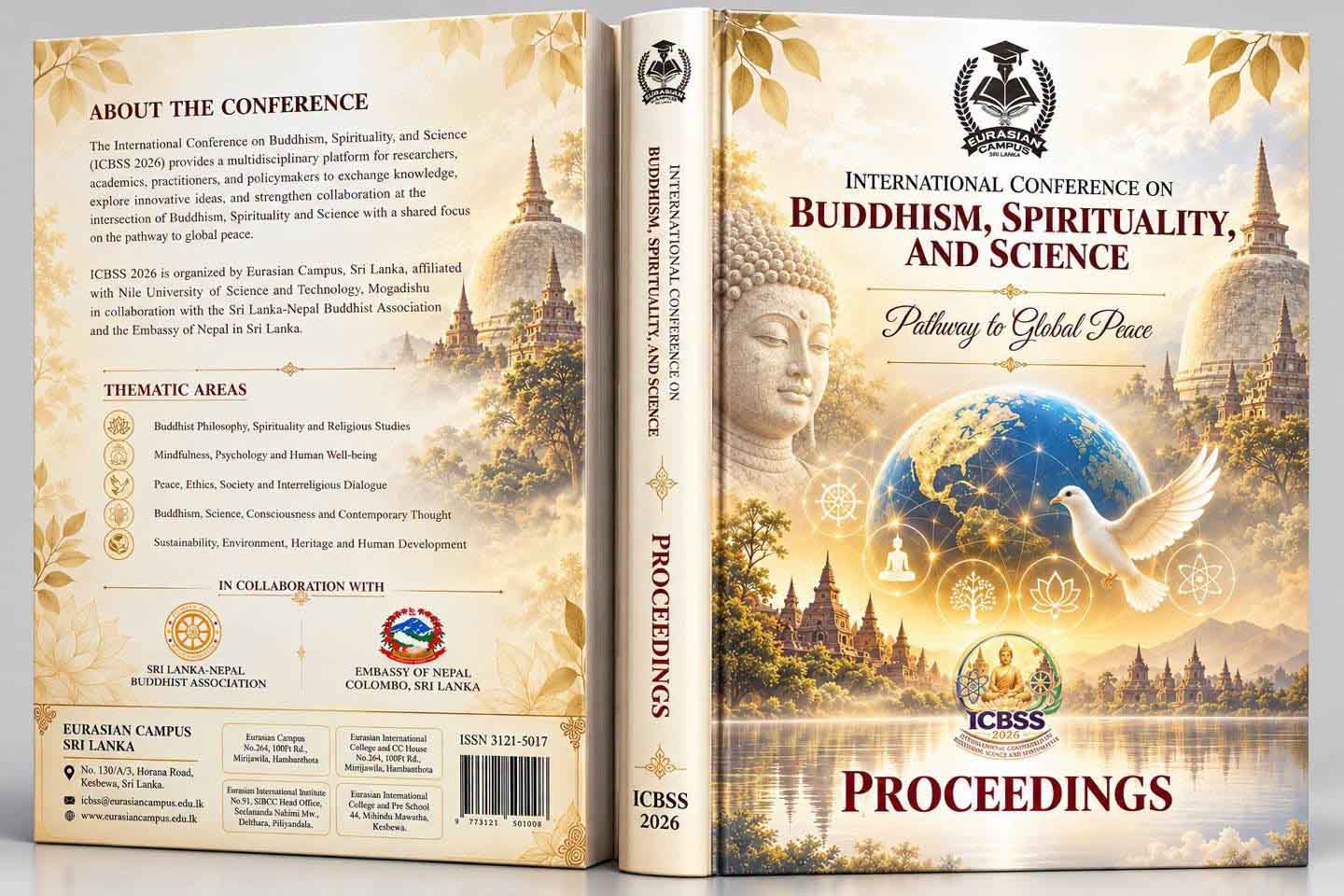
The event provided an academic platform to explore how Buddhism and science can jointly address modern sociopolitical, environmental, and mental crises. Drawing on Sri Lanka and Nepal's shared heritage as custodians of the Buddha's birthplace and Theravada tradition, it fostered interdisciplinary dialogue aimed at advancing global peace and human flourishing.
As Chief Advisor of the conference, Most Venerable Dr Delthara Gunananda, Vice-Chancellor of the Eurasian Campus, said that in this era of rapid scientific advancement and global challenges, humanity needs solutions that are not only innovative but also grounded in ethical values, compassion and wisdom. He said, “The integration of Buddhism, spirituality, and science provides a meaningful framework for promoting peace, social harmony, sustainable development and human well-being.”
In his keynote speech, Dr Manik Ratna Shakya, Vice-Chancellor of the Lumbini Buddhist University in Nepal, spoke about the contrast between technological progress and the problems still facing the world, such as conflict, inequality and environmental degradation. “Governments are spending enormous amounts of money on developing and purchasing weapons, while millions of people in impoverished countries struggle to obtain even a single proper meal a day,” he said. He also raised concerns about the effect of artificial intelligence on the human brain. “We need to think about the development of AI seriously. Are we developing human life, or are we destroying human life in the name of development?” Dr Shakya said Buddhist mindfulness can offer a systematic, first-person understanding of mental experience that can support scientific research of the brain. “Buddhist ethics and principles must be illustrated as a philosophical resource for the discussion of peace, human dignity, environmental sustainability, responsible science and technology, and human value,” he added.
Addressing the conference, Venerable Wetara Mahinda, President of the Sri Lanka-Nepal Buddhist Association, expressed confidence that the conference would further strengthen friendship and co-operation between Sri Lanka and Nepal while contributing to the promotion of mutual understanding and global peace.
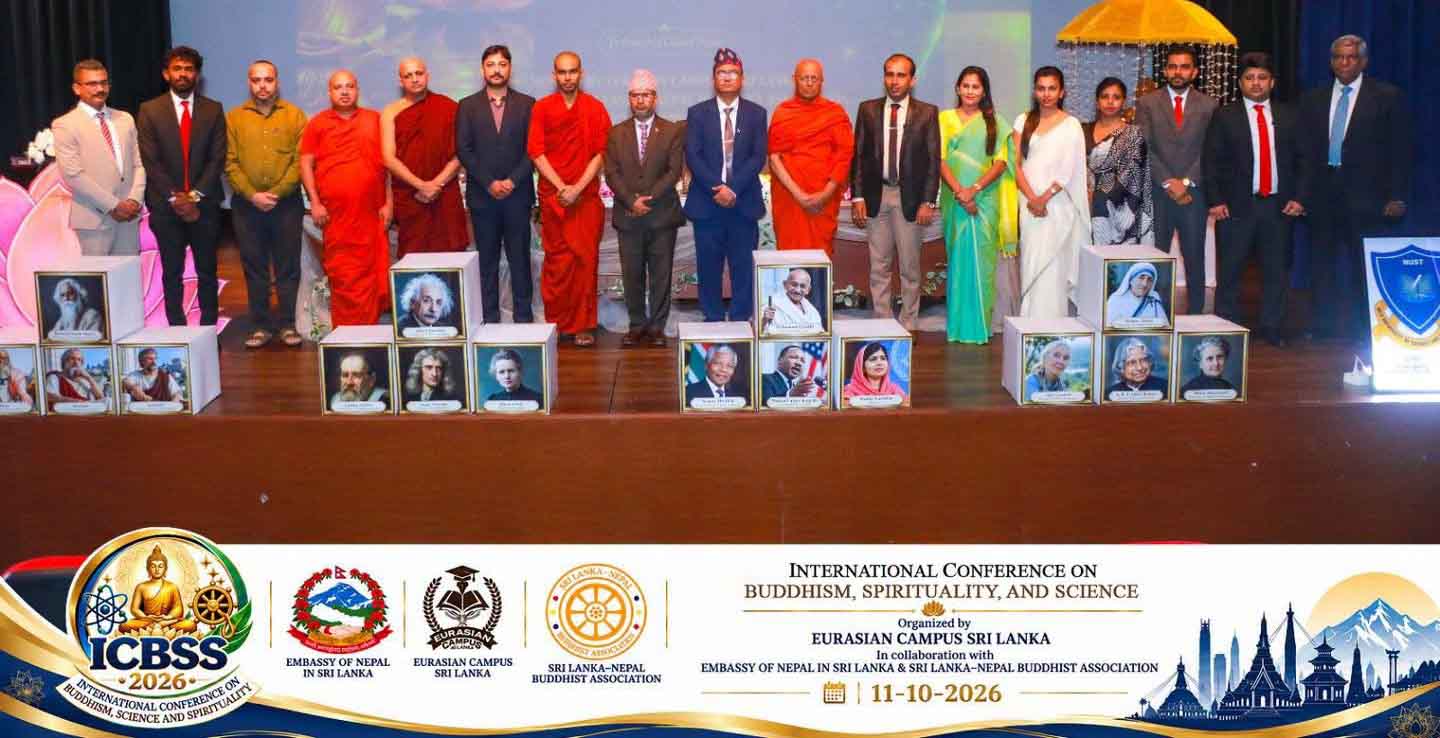
As Guest of Honour, Mr Vijay Kumar Raut, Chargé d’Affaires of the Embassy of Nepal in Sri Lanka, reminded the audience of the August 2026 floods that had devastated several districts in Nepal and claimed more than 1,400 lives. Quoting Nepalese Prime Minister Balendra Shah’s speech at the 81st UN General Assembly, he said, “Nepal contributes less than 0.1% of global greenhouse emissions. We did not create this crisis, yet we are paying for it. Climate change does not recognize borders. Glaciers and floods don’t travel with visas and passports.” Mr Raut stated that the conference was important because the Buddha’s teachings can help us deal with these issues. He said, “The climate crisis proves it. Science provides evidence and early warning. Spirituality gives us inner strength to face loss and act with compassion. And together, they become our pathway to global peace.”
As an Advisor to the conference, Dr Purna Bahadur Nepali, former Ambassador of Nepal to Sri Lanka, said, "Science asks us to observe, investigate, question and test our understanding. Buddhist practice similarly places emphasis on observation of the mind, disciplined inquiry, and direct experience." He also urged a careful approach to research on meditation. "We should welcome neuroscientific research into meditation and mindfulness while carefully distinguishing established evidence from emerging hypotheses and from traditional Buddhist claims," he said.
After the speeches, the conference moved into its main purpose: parallel academic paper presentation sessions, held both in person and online. More than 50 papers were presented over two days, with the physical presentations on 11 October and the online sessions the following day. The papers were grouped under five themes: Buddhist Philosophy, Spirituality and Religious Studies; Mindfulness, Psychology and Human Well-being; Peace, Ethics, Society and Interreligious Dialogue; Buddhism, Science, Consciousness and Contemporary Thought; and Sustainability, Environment, Heritage and Human Development.

Across these themes, presenters examined how Buddhist thought understands life and death, how mindfulness can support mental health and emotional balance, and how compassion can be applied to conflict and social harmony. Others explored the nature of consciousness and humanity's place within the natural world, and how Buddhist principles can guide environmental protection. Together, the sessions carried the conference's central theme from the opening speeches into concrete academic discussion, giving researchers a chance to share their work and exchange ideas.
The two-day conference concluded with the academic sessions, having brought together scholars from different countries and fields to discuss how Buddhist wisdom and modern science can address the challenges of the present day. The organizers said the partnership between Sri Lanka and Nepal would continue to support this dialogue in the years ahead.
21.10.2026
################################################################################################
Sri Lanka Air Force Commissions 43 New Officers at China Bay Ceremony
By Vipula Amarasinghe
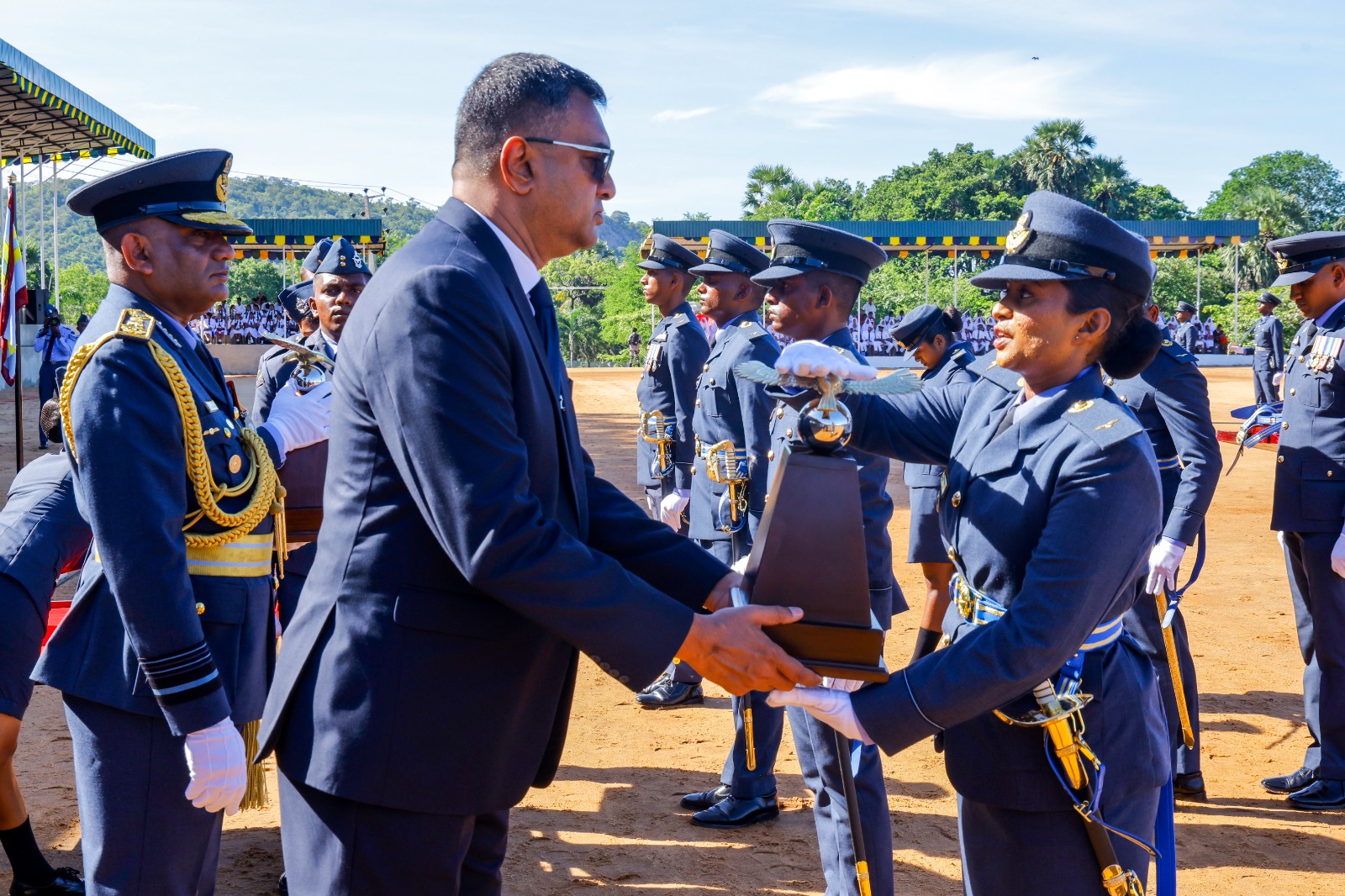
The Sri Lanka Air Force (SLAF) commissioned 43 new officers at a prestigious Commissioning and Flying Brevet Awarding Parade held on October 16, 2026, at the SLAF Academy in China Bay, marking an important milestone in the professional careers of a new generation of military personnel entrusted with safeguarding the nation’s airspace.
The ceremony was held under the patronage of Air Vice Marshal Sampath Thuyacontha (Retd), Secretary to the Ministry of Defence, who attended as the Chief Guest. Air Marshal Bandu Edirisinghe, Commander of the Air Force, was also present at the occasion.
The parade was commanded by Group Captain Chamil Hettiarachchi and marked the formal commissioning of 29 Officer Cadets and 14 Lady Officer Cadets into the Sri Lanka Air Force.
The newly commissioned officers represented the No. 65, No. 67 and No. 69 SLAF Officer Cadets’ Intakes, the No. 21 Lady Officer Cadets’ Intake, and the No. 37, No. 39 and No. 40 intakes of General Sir John Kotelawala Defence University (KDU).
In a further highlight of the ceremony, Flying Officer PV Binadith, from the 39th KDU Intake, received the prestigious Flying Brevet, commonly known as the pilot’s wings, recognising his achievement in completing the relevant flying training requirements.
The occasion showcased the discipline, professionalism and ceremonial traditions of the Sri Lanka Air Force, with a series of impressive displays adding distinction to the proceedings.
The SLAF Ceremonial Band and Colour Wing presented a spectacular drill performance, demonstrating precision, coordination and military discipline. SLAF paratroopers also thrilled the audience with a parachute display, executing impressive formations in the skies above the academy.
The celebrations continued with a formation flypast and an aerobatic display conducted by the No. 01 Flying Training Wing, highlighting the flying skills and operational capabilities of the Air Force.
Special awards were presented to Officer Cadets and Lady Officer Cadets who demonstrated outstanding performance in their respective fields during training.
Pilot Officer HGWD Jayarathna received the Sword of Honour for being named Best All-Round Officer Cadet. Jayarathna was also recognised as the Best Officer Cadet of the Administrative Branch.
Pilot Officer RMHK Rathnayake received the Sword of the Eagle as the Best Officer Cadet of the General Duties Pilot Branch.
Other award recipients included Pilot Officer YMDP Bandara, recognised as the Best Officer Cadet of the Operations Air Branch; Pilot Officer MBM Uyara, Best Officer Cadet of the Aeronautical Engineering Branch; Pilot Officer BP Sachintha, Best Officer Cadet of the Information Technology Engineering Branch; Pilot Officer THK Mendis, Best Officer Cadet of the Regiment Branch; and Pilot Officer SR Alexander, Best Officer Cadet of the Logistics Branch.
The ceremony was attended by Chief of Staff of the Air Force Air Vice Marshal Lasitha Sumanaweera, members of the Air Force Board of Management, and Commandant of the SLAF Academy China Bay Air Vice Marshal Amal Perera, together with other senior officers and personnel of the Air Force.
Representatives of the Sri Lanka Army, Sri Lanka Navy and Sri Lanka Police also attended the event, alongside proud parents and family members who gathered to witness the commissioning of the new officers.
The commissioning parade represents a significant stage in the professional development of the newly appointed officers, who will undertake responsibilities across the Air Force’s flying, operational, engineering, administrative, logistics and other specialised branches.
The ceremony also highlighted the importance of professional training, leadership, teamwork and discipline in preparing officers to meet the demands of modern military service.
With the commissioning of the 43 officers, the Sri Lanka Air Force continues its efforts to develop a skilled and professional officer corps dedicated to national security and the protection of Sri Lanka’s skies.
17.10.2026
######################################################################################
Australian High Commission Explores Tourism and Hospitality as Drivers of Sri Lanka’s Economic Growth
By Vipula Amarasinghe
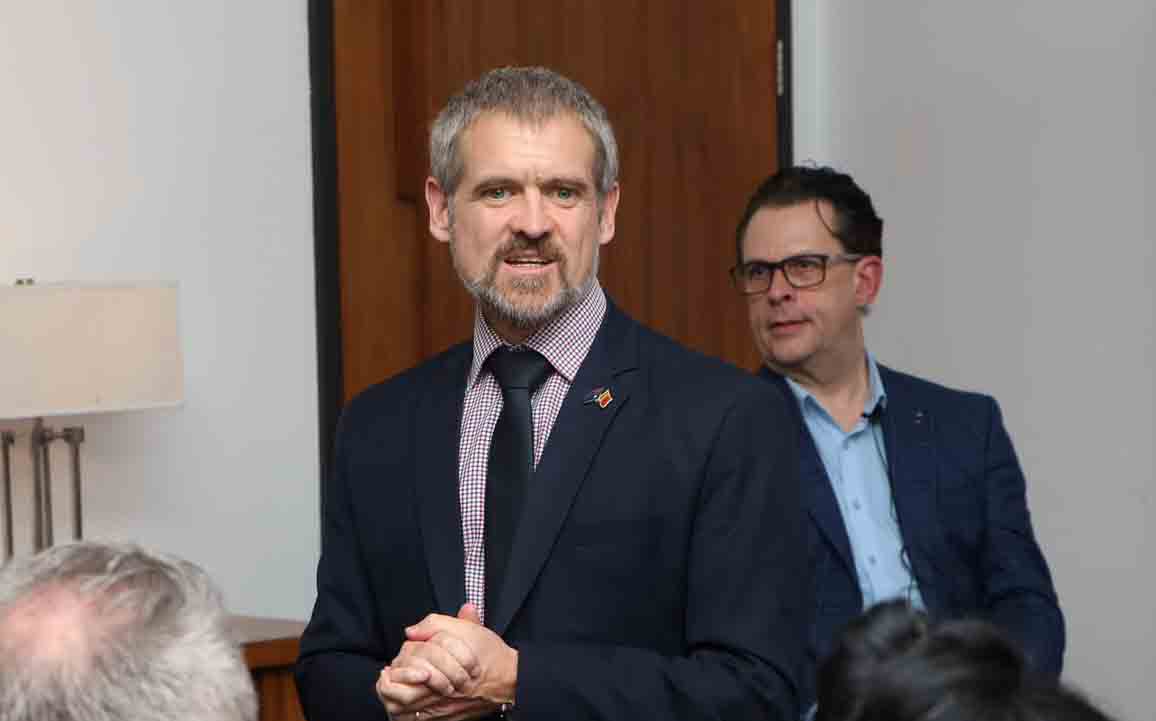
The Australian High Commission in Sri Lanka has brought together leading figures from the tourism, hospitality, travel and education sectors to examine how the industry can contribute to the country’s next phase of economic growth beyond increasing visitor arrivals.
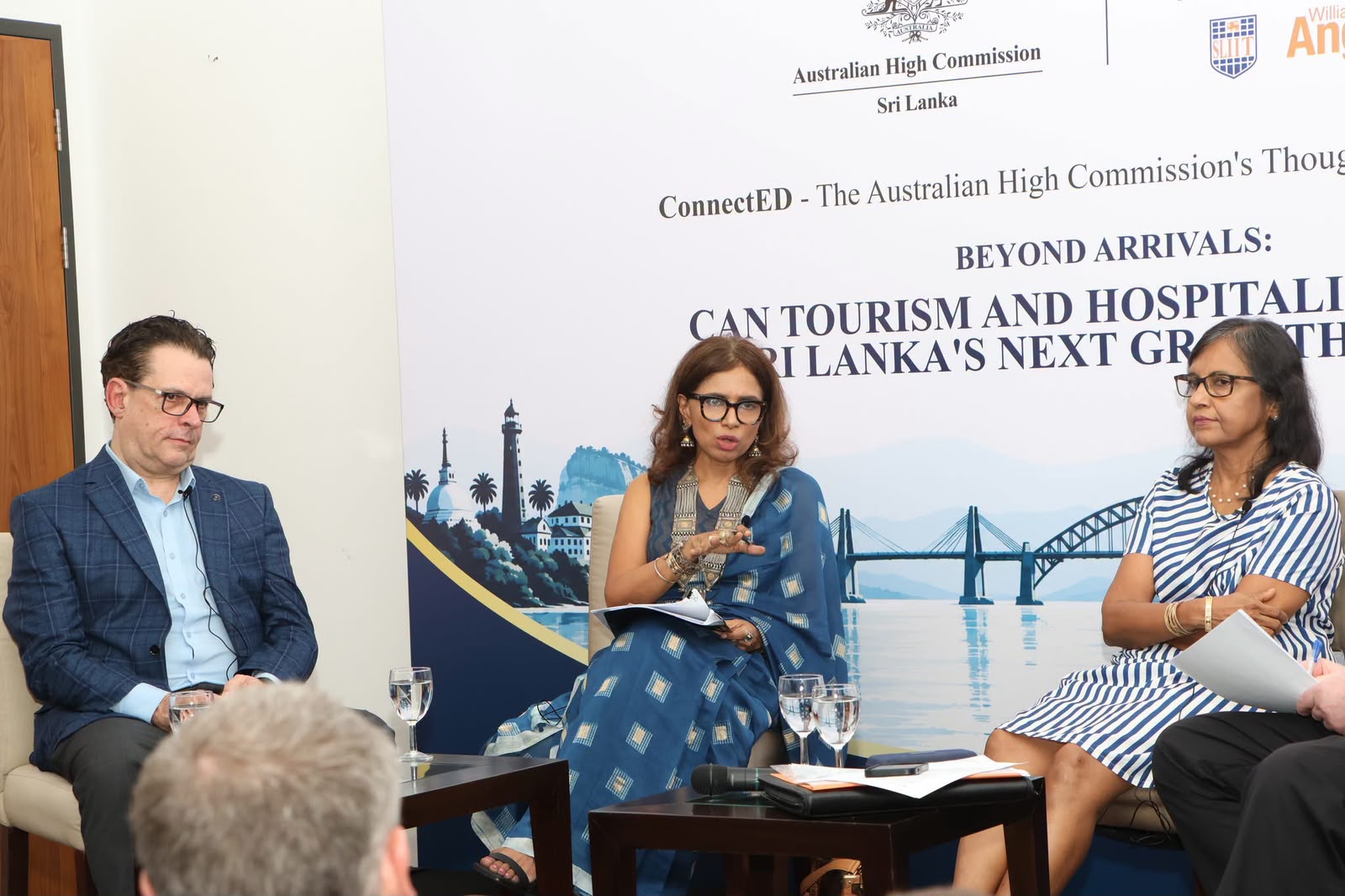
The discussion was held under the theme “Beyond Arrivals: Can Tourism and Hospitality Power Sri Lanka’s Next Growth Phase?” as part of the High Commission’s ConnectED Thought Leadership Series. The event took place at the Australian High Commissioner’s Residence in Colombo, attracting senior representatives from across the tourism and hospitality value chain.
The forum focused on the need to look beyond tourist arrival figures and consider the sector’s wider contribution to economic development, employment generation, skills enhancement and business opportunities.
The distinguished panel included Shiromal Cooray, Chairman and Managing Director of Jetwing Travels; Angeline Ondaatje, Chairperson of Tangerine Beach Hotels PLC, Royal Palms Beach Hotels PLC and Tangerine Tours; and Grant Dreher, Chief Executive Officer of William Angliss Institute Australia.
The discussion was moderated by Wayne Crosbie, Director – International and Business Development at William Angliss Institute Australia, who guided the conversation on emerging industry requirements and the importance of developing a skilled workforce capable of meeting the changing expectations of international and domestic travellers.
A key focus of the discussion was the relationship between tourism industry growth, professional education and workforce readiness. As Sri Lanka continues to develop its tourism potential, stronger coordination between businesses and educational institutions is increasingly important to ensure that training programmes respond to actual industry needs.
Tourism and hospitality extend beyond accommodation and visitor services, creating opportunities across transportation, food and beverage, travel management, events, entertainment and related industries. Developing these interconnected areas can help strengthen the sector’s contribution to employment, entrepreneurship and the wider economy.
The forum also highlighted the value of connecting industry experience with education and skills development to prepare young people for professional careers in tourism and hospitality.
Adding a practical dimension to the event, students from the Colombo Academy of Hospitality Management (CAHM) played an active role in delivering the cocktail reception for invited guests.
Students enrolled in the Commercial Cookery and Patisserie programmes prepared a selection of specially developed food items for the occasion. Their work demonstrated their culinary abilities, creativity and attention to presentation, while providing an opportunity to apply classroom learning in a professional setting.
Meanwhile, students from the Hospitality Management programme handled guest services throughout the reception. They welcomed and assisted attendees while demonstrating their skills in communication, professional guest interaction, food and beverage service, teamwork and hospitality etiquette.
Their involvement provided practical experience in managing a high-profile event and illustrated the importance of experiential learning in preparing students for employment in the industry.
CAHM’s participation reflected its emphasis on industry-oriented education, through which students gain opportunities to develop both technical competencies and the professional skills required for successful careers in tourism and hospitality.
The ConnectED discussion underscored the importance of closer cooperation between industry leaders, education providers and other stakeholders in building a workforce capable of supporting Sri Lanka’s tourism ambitions.
As the country seeks to strengthen its position as a competitive travel destination, developing professional skills, improving service standards and expanding employment opportunities will remain important considerations alongside efforts to attract more visitors.
The Australian High Commission’s initiative provided a platform for industry and education representatives to exchange perspectives on these priorities, highlighting the potential for tourism and hospitality to contribute more broadly to Sri Lanka’s economic development through stronger partnerships, skilled human resources and sustainable industry growth.
17.10.2026
###############################################################################################
Nepal Embassy in Colombo Celebrates Durga Puja, Strengthening Cultural Ties with Sri Lanka
By Vipula Amarasinghe

The Embassy of Nepal in Colombo celebrated Durga Puja with traditional religious observances, bringing together members of the Nepali community, diplomatic representatives and friends of Nepal to mark one of the most significant festivals in Nepal’s cultural and religious calendar.
The ceremony was held at the Embassy premises as part of Dashain, Nepal’s most widely celebrated festival, which symbolises the triumph of good over evil and the victory of Goddess Durga over negative forces.
Dashain is observed over fifteen days and is traditionally marked by prayers, religious rituals, offerings, family gatherings and cultural celebrations. The festival holds deep significance for Nepali people both at home and living overseas, serving as an occasion to strengthen family bonds, preserve cultural traditions and renew hopes for peace and prosperity.
The Durga Puja ceremony at the Embassy was conducted by priests from the Mayurapathi Sri Bhathrakali Amman Temple in Colombo. Traditional religious rituals and prayers were performed in honour of Goddess Durga, seeking blessings for peace, prosperity, happiness and the well-being of the people.
Addressing the gathering, Mr. Vijay Kumar Raut, Chargé d’Affaires ad interim of the Embassy of Nepal in Colombo, highlighted the importance of Dashain in Nepal and its continuing significance among the Nepali diaspora living abroad.
The celebration provided an opportunity for members of the Nepali community in Sri Lanka to observe their religious traditions while strengthening their cultural connections with their homeland. It also brought together representatives of organisations working to promote friendship and cooperation between Nepal and Sri Lanka.
Participants included diplomatic officials, members of the Nepali community, representatives of the Nepal-Sri Lanka Friendship Association, the Sri Lanka-Nepal Business Council and the Sri Lanka-Nepal Buddhist Association, together with friends and well-wishers of Nepal.

The gathering reflected the longstanding cultural and people-to-people connections between Nepal and Sri Lanka, countries that share important Buddhist heritage, religious traditions and a history of friendly relations.
Religious and cultural events of this nature also provide opportunities to deepen mutual understanding among communities and encourage continued cooperation in areas such as tourism, business, cultural exchange and people-to-people engagement.
The Embassy extended its warmest Dashain greetings to all Nepali nationals living in Sri Lanka and the Maldives, as well as to friends of Nepal in both countries. The message conveyed wishes for peace, happiness, prosperity and good health during the festive season.
The celebration of Durga Puja in Colombo highlighted the importance of preserving cultural identity among overseas communities while fostering friendship, understanding and closer relations between Nepal and Sri Lanka.
17.10.2026
##################################################################################################
India Strengthens Educational Leadership in Sri Lanka Through Specialised Training Programme
By R. S. Kanthi
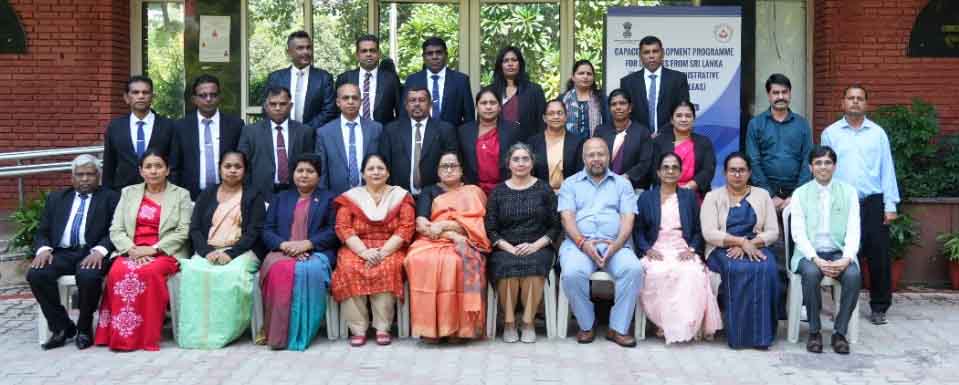
A group of 20 officers from the Sri Lanka Education Administrative Service has completed a specialised training and capacity-building programme in India aimed at strengthening educational leadership, institutional management and administrative efficiency in Sri Lanka’s education sector.
The programme was held from October 5 to 16, 2026, at the National Institute of Educational Planning and Administration (NIEPA) in New Delhi. The participating officers represent the Ministry of Education, Higher Education and Vocational Education of the Government of Sri Lanka.
The initiative focused on enhancing the professional knowledge and practical skills of education administrators, enabling them to respond more effectively to the evolving demands of the education system.
During the programme, participants attended technical sessions and knowledge-sharing activities covering a broad range of subjects, including educational policy formulation and implementation, leadership, institutional management, school supervision, quality assurance, governance and accountability.
The training also addressed digital literacy, technology-enabled learning, data-driven decision-making, strategic planning, resource management and stakeholder coordination. International best practices in educational administration were explored to identify approaches that could be adapted to Sri Lanka’s educational needs.
Particular attention was given to the practical application of innovative management methods, effective monitoring and evaluation systems, and the adoption of successful educational practices suited to the Sri Lankan context.
The programme forms part of India’s broader commitment to supporting Sri Lanka’s human resource development through professional training, knowledge exchange and institutional cooperation.
The initiative follows an announcement made by Indian Prime Minister Narendra Modi during his visit to Sri Lanka in April 2025, when India committed to providing 700 customised training slots annually for Sri Lankan professionals.
India’s capacity-building assistance to Sri Lanka has also expanded through a Memorandum of Understanding between India’s National Centre for Good Governance and the Sri Lanka Institute of Development Administration. Under this arrangement, 300 Sri Lankan civil servants undergo training annually.
With these initiatives, India’s capacity-building programmes are now benefiting more than 1,000 Sri Lankans each year, providing opportunities for professional development across different sectors of public administration.
The latest programme highlights the importance of international cooperation in developing a skilled and forward-looking education administration. By strengthening leadership capabilities, improving governance and promoting evidence-based decision-making, such initiatives can contribute to more effective education management and better institutional performance.
The knowledge and experience gained by the participating officers are expected to support ongoing efforts to improve educational administration in Sri Lanka, particularly in policy implementation, school supervision, resource allocation and the delivery of quality education.
The programme also reflects the continuing partnership between India and Sri Lanka in advancing professional development and strengthening public sector institutions through targeted training and the exchange of expertise.
17.10.2026
#################################################################################################
Rizvina Morseth de Alwis Launches New Novel ‘Talking to the Sky’
By Vipula Amarasinghe

Sri Lankan author Rizvina Morseth de Alwis launched her latest literary novel, Talking to the Sky, at the Royal Colombo Golf Club on October 9, 2026, bringing a deeply personal and socially relevant story set against the backdrop of the Easter Sunday attacks to readers.
Published by Perera and Hussein Publishing House, the novel explores the complex relationships between faith, family, betrayal and identity, while examining how major political and social events can transform the lives of ordinary people.
Set in Sri Lanka in the aftermath of the Easter Sunday bombings, one of the darkest episodes in the country's recent history, the story follows Aisha Hamid, a mother determined to discover the truth about her missing son, Aqib.
Aisha, who was born into a Malay family and married into a traditional Muslim household, has spent much of her life trying to keep her family together while managing the challenges of motherhood, an absent husband and two children with very different personalities.
Her life changes dramatically when the Easter Sunday attacks plunge the country into grief, uncertainty and fear. As her son disappears amid the ensuing chaos, Aisha begins a desperate search for answers. Her investigation gradually uncovers secrets that challenge her understanding of her family, her community and her own beliefs.
Through Aisha's journey, the novel examines the intersection of personal experiences and political developments, exploring how fear, suspicion and political narratives can influence relationships and shape perceptions of entire communities.
Speaking about the inspiration behind the book, Rizvina Morseth de Alwis said she sought to capture the complexities of faith and the diverse experiences of being Muslim in contemporary Sri Lanka.
She explained that she spent years exploring the thoughts and motivations of Aisha and the other characters, examining how their beliefs influence their decisions and shape their lives. The author also reflected on her own relationship with faith, describing the tension between questioning and criticising it while simultaneously wanting to protect it and maintain a sense of belonging within her community.
Professor Neluka Silva, Senior Professor of English at the University of Colombo, attended the launch as the guest speaker. She highlighted the novel's challenge to ethnic stereotypes that have influenced Sri Lankan political discourse, popular culture and everyday conversations.
According to Professor Silva, the novel presents multiple perspectives that encourage readers to confront their own prejudices and recognise the country's rich ethnic and cultural diversity. By moving beyond simplified narratives about communities, the book invites a deeper understanding of the different experiences that shape Sri Lankan society.
Sam Perera of Perera and Hussein Publishing House also praised the author's sensitive treatment of a difficult subject, noting the importance of literary fiction that not only entertains readers but also informs and enlightens them.
Born in Sri Lanka, Rizvina Morseth de Alwis writes both fiction and non-fiction and has lived and worked in several countries as a resident representative of the United Nations Population Fund (UNFPA).
Her first novel, It's Not in the Stars, won the Fairway National Literary Award in 2015 and the Sri Lanka State Literary Award in 2016. Her second novel, Talking to the Sky, was shortlisted in manuscript form for the Gratiaen Prize in 2021.
The publication adds to Sri Lanka's growing body of contemporary literature examining the country's social and political experiences through personal narratives. By focusing on a mother's search for her missing son, the novel explores the lasting impact of national tragedy on families, communities and individual identities.
Talking to the Sky is available through Perera and Hussein's online bookstore at https://pererahussein.com/product/talking-to-the-sky/ and at major bookstores, including Barefoot and Sarasavi.
15.10.2026
#############################################################################################
Nepalese Diplomat Highlights Buddhism as a Pathway to Global Peace at International Conference in Sri Lanka
By R. S. Kanthi
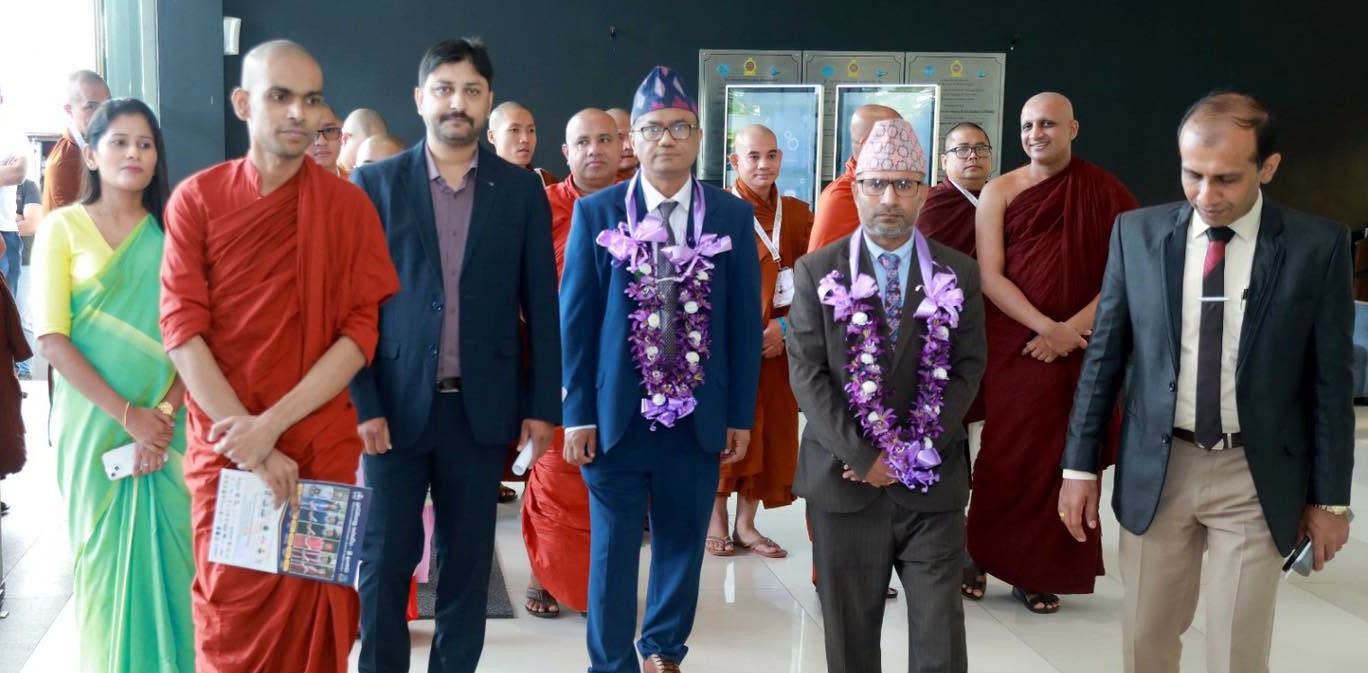
The role of Buddhist teachings in promoting global peace, environmental responsibility and reconciliation was highlighted at the International Conference on Buddhism, Spirituality and Science (ICBSS 2026), held in Sri Lanka under the theme “Pathway to Global Peace”.
The conference was organised by Eurasian Campus, Sri Lanka, in collaboration with the Sri Lanka–Nepal Buddhist Association and the Embassy of Nepal in Sri Lanka, bringing together scholars, Buddhist monks, religious leaders, scientists and researchers to explore the connections between Buddhist philosophy, spirituality and modern scientific knowledge.
Mr Vijay Kumar Raut, Chargé d’Affaires a.i. of the Embassy of Nepal in Sri Lanka, attended the conference as Guest of Honour and delivered concluding remarks reflecting on six presentations that examined subjects ranging from ancient Buddhist teachings and the climate crisis to quantum science, consciousness and reconciliation.
In his address, Mr Raut emphasised that Buddhism should not be regarded merely as a historical or religious tradition but as a source of guidance for addressing contemporary global challenges.
He noted that Nepal, recognised as the birthplace of Lord Buddha, considers Buddhist philosophy an important foundation for building a more peaceful and sustainable future.
Highlighting the connection between the Himalayan region and the wider world, he referred to the relationship between the mountains and the oceans, stressing that environmental changes in one region can have consequences far beyond its geographical boundaries.
His remarks drew attention to the importance of recognising the interconnectedness of human societies and the natural environment, particularly at a time when climate change, conflict and social divisions continue to challenge the international community.
Mr Raut also described the life and teachings of Lord Buddha as a source of inspiration for environmental awareness and human well-being. He highlighted the significance of compassion, interdependence and mindfulness, values associated with Lumbini, the birthplace of the Buddha.
According to his message, these principles offer important guidance in confronting greed, environmental degradation and conflict while encouraging more responsible relationships between people and the natural world.
The conference provided a platform for examining how ancient philosophical traditions can contribute to modern discussions on science, consciousness, environmental sustainability and peaceful coexistence.
The participation of scholars and researchers from different fields enabled an exchange of perspectives on the relationship between spiritual wisdom and scientific inquiry, with particular attention to the potential contribution of these disciplines to global harmony.
Mr Raut expressed his appreciation to the distinguished scholars, members of the Maha Sangha, religious leaders, scientists and researchers who contributed to the conference by bringing together diverse perspectives on compassion, knowledge and human understanding.
The Embassy of Nepal also extended its gratitude to Eurasian Campus, the Sri Lanka–Nepal Buddhist Association and all participants for their contribution to the success of ICBSS 2026.
The conference further highlighted the longstanding cultural and religious connections between Nepal and Sri Lanka, two countries linked by their shared reverence for the Buddha’s teachings and the continued influence of Buddhism on their societies.
From Lumbini in Nepal to the historic Buddhist centres of Kandy and Anuradhapura in Sri Lanka, these connections remain an important part of the relationship between the two nations.
Through initiatives such as ICBSS 2026, the organisers seek to strengthen this shared heritage while encouraging dialogue on how Buddhist philosophy, spirituality and scientific understanding can contribute to peace, sustainability and cooperation in an increasingly interconnected world.
12.10.2026
##############################################################################################
AMPTECH Sri Lanka 2026 to Strengthen Pharmaceutical Manufacturing and Laboratory Infrastructure
By R. S. Kanthi
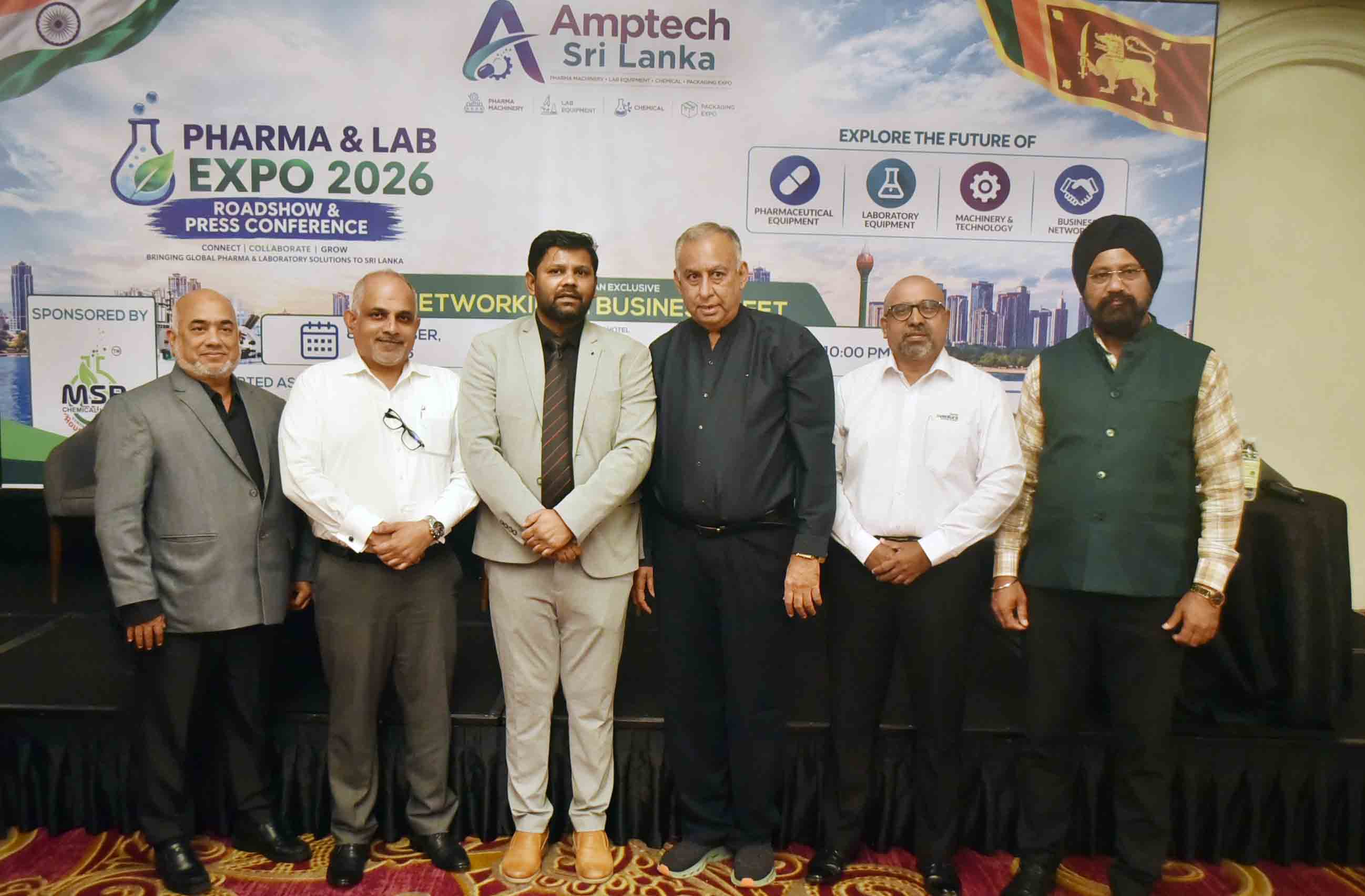
Sri Lanka’s pharmaceutical and healthcare industries are set to gain new opportunities for technological advancement and international collaboration with the launch of AMPTECH Sri Lanka 2026 – Pharma & Lab Expo, scheduled to be held from December 18 to 20 at the Bandaranaike Memorial International Conference Hall (BMICH) in Colombo.
Exhiconect Media Private Limited, an organiser of international trade exhibitions, officially announced the upcoming exhibition at a Networking and Business Meet held at The Kingsbury Hotel, Colombo. The event brought together healthcare stakeholders, local industry representatives, international technology providers and trade partners to explore opportunities for developing Sri Lanka’s pharmaceutical manufacturing and laboratory sectors.
Held under the theme “Connect | Collaborate | Grow – Bringing Global Pharma & Laboratory Solutions to Sri Lanka,” the roadshow highlighted the importance of modern manufacturing technologies, advanced laboratory equipment and process automation in strengthening local pharmaceutical production capabilities.
The Colombo exhibition will mark AMPTECH’s entry into the Sri Lankan market, connecting international equipment manufacturers and technology suppliers with local pharmaceutical producers, healthcare providers, research institutions and other industry stakeholders.
Speaking at the launch, Chirag Solanki, Director of Exhiconect Media Private Limited, said the exhibition was designed to connect international machinery manufacturers, chemical suppliers and laboratory technology providers with Sri Lankan industry decision-makers.
He noted that Sri Lanka’s healthcare and pharmaceutical sectors were entering an important phase in their development, with greater emphasis on domestic production, efficient supply chains and compliance with international quality standards.
The three-day exhibition will feature a wide range of technologies and solutions covering pharmaceutical manufacturing machinery, production automation, formulation systems, cleanroom technologies and laboratory and analytical instruments.
Other key areas will include testing equipment, research and development solutions, pharmaceutical packaging machinery, specialised packaging materials, raw materials and bulk chemicals. These technologies are expected to provide local businesses with opportunities to explore new production methods, improve operational efficiency and strengthen quality control processes.
The exhibition will also facilitate business-to-business matchmaking, direct sourcing and technical networking between local companies and international suppliers. Organisers expect these activities to encourage technology transfer, expand industry partnerships and support the development of Sri Lanka’s domestic pharmaceutical manufacturing capabilities.
The initiative is supported by several regional trade organisations and international partners. MSB Chemical Limited, known as the “House of Ethanol,” will serve as the official sponsor, while Logipharma has been named the official logistics and freight forwarding partner. Point Five Events, together with supporting associations SMAU International Industry & Trade Chambers and SHEA, is also supporting the initiative.
By bringing international expertise and modern industrial solutions to Colombo, AMPTECH Sri Lanka 2026 aims to create a platform for knowledge exchange, business development and investment opportunities across the pharmaceutical and laboratory sectors.
The exhibition is expected to support the long-term development of Sri Lanka’s healthcare ecosystem while encouraging local manufacturers to enhance production capacity and explore ways to reduce dependence on imported finished medicines.
Companies and exhibitors interested in participating can register online and reserve exhibition space through the official registration portal:
10.10.2026
##################################################################################################
SAARC Energy Training Programme Focuses on Financing Renewable Energy Projects
By Vipula Amarasinghe

Sri Lanka has hosted a regional training programme aimed at strengthening financial expertise and investment decision-making for renewable energy projects across South Asia, bringing together representatives from several SAARC member countries.
The three-day programme on “Financial Modelling for Renewable Energy Projects” commenced on October 5 at the Galle Face Hotel in Colombo, with the participation of Sri Lanka’s Minister of Energy, Anura Karunathilaka, at the inaugural session.
The opening ceremony was attended by four heads of diplomatic missions representing Nepal, Pakistan, Bangladesh and the Maldives. Special delegates from other SAARC member countries were also expected to participate in the programme, which concluded its scheduled period on October 7.
Organised by Sri Lanka’s Ministry of Energy in collaboration with the SAARC Energy Centre, the initiative seeks to improve participants’ ability to assess the financial feasibility of renewable energy investments through practical financial modelling techniques and informed decision-making.
Renewable energy technologies, including solar power, wind energy and small hydropower, are increasingly important to sustainable energy development. However, their implementation often requires substantial upfront capital and involves financial, technical and operational risks.
The training programme addresses these challenges by examining how countries can mobilise investment, secure appropriate financing and establish sustainable financial management systems for renewable energy projects.
A major focus is the use of financial models to evaluate project profitability, cost-effectiveness and cash flows under different market conditions and risk scenarios. These assessments help project developers, investors and lenders determine whether an investment is financially viable and capable of delivering sustainable returns.
Financial modelling also enables decision-makers to compare different project proposals and identify options that offer the most appropriate balance between cost, financial performance and risk. Such analysis is particularly important when allocating limited resources and determining the long-term feasibility of renewable energy developments.
Sri Lanka and other countries in the region, including Pakistan and the Maldives, are exploring ways to expand renewable energy sources such as solar power within their national energy mixes. Access to suitable financing and the ability to assess investment risks remain important considerations in advancing these initiatives.
Through regional knowledge-sharing and capacity-building, the programme seeks to strengthen cooperation among SAARC member countries and improve the technical skills required to finance renewable energy projects.
The initiative highlights the importance of sound financial planning alongside technological development in accelerating the transition towards cleaner energy. By strengthening financial modelling capabilities, participating countries can improve investment assessments, support more effective project selection and advance their renewable energy ambitions.
The programme also provides a platform for regional professionals to exchange experience and discuss common challenges in financing sustainable energy infrastructure, supporting broader efforts to strengthen energy security and promote environmentally responsible development across South Asia.
09.10.2026
##############################################################################################
India Donates Essential Anti-TB Medicines Worth LKR 52 Million to Sri Lanka
By Vipula Amarasinghe
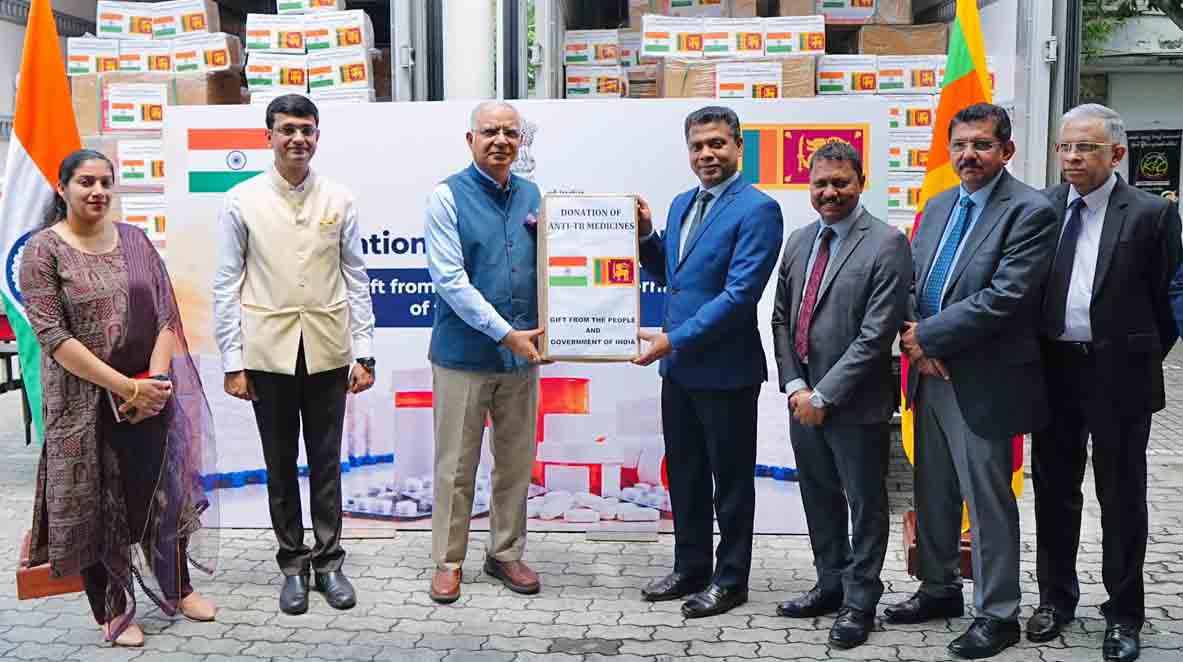
India has provided a consignment of essential anti-tuberculosis medicines to Sri Lanka to support the country's efforts to ensure the continued availability of treatment for patients affected by tuberculosis.
The medicines were formally handed over to the Government of Sri Lanka at the Ministry of Health in Colombo by High Commissioner of India Santosh Jha to Minister of Health and Mass Media Dr. Nalinda Jayatissa. Deputy Minister of Health and Mass Media Dr. Hansaka Wijemuni was also present at the handover ceremony.
The donation was made following a request from the Government of Sri Lanka and was sourced with the support of India's Ministry of Health and Family Welfare.
The consignment comprises approximately three tonnes of essential anti-TB medicines, representing more than 1.5 million tablets, with an estimated value of LKR 52 million.
The medicines include essential first-line treatments used in the management of tuberculosis. The assistance is expected to support the availability and continuity of treatment for TB patients across Sri Lanka.
The latest donation is part of India's continuing health-sector cooperation with Sri Lanka and follows other assistance provided in response to urgent public health requirements.
In August 2026, India donated 500 litres of Technical Malathion to Sri Lanka following a request from the Government of Sri Lanka. The material was provided to support the country's efforts to control dengue.
India and Sri Lanka have maintained longstanding cooperation in the health sector, covering a range of areas including the construction and upgrading of hospitals and healthcare facilities, the provision of medicines and medical equipment, and capacity building and training programmes.
India has also provided health-related assistance to Sri Lanka during emergencies and periods when urgent medical requirements have arisen.
The latest donation highlights the continued focus of India-Sri Lanka health cooperation on responding to specific requirements identified by Sri Lankan authorities and supporting the country's healthcare needs.
According to the Indian High Commission, the assistance reflects India's people-centric development partnership with Sri Lanka under its Neighbourhood First policy, with an emphasis on supporting priorities identified by the Government and people of Sri Lanka.
The provision of more than 1.5 million anti-TB tablets is expected to strengthen the availability of essential medicines and contribute to uninterrupted treatment for tuberculosis patients in Sri Lanka.
07.10.2026
###############################################################################################
Nepal Highlights Buddhist Bonds and Child Welfare at World Children’s Day Celebration in Colombo
By Vipula Amarasinghe
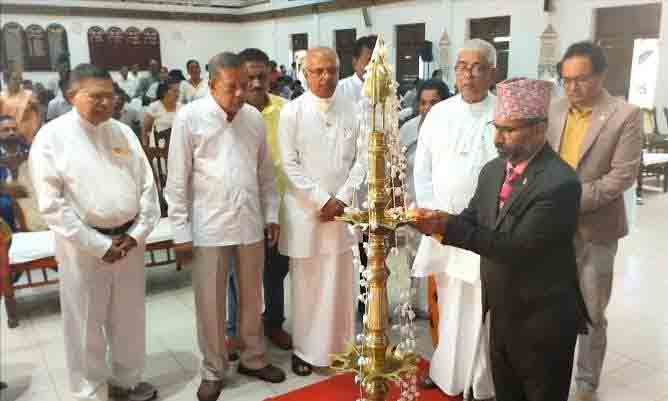
Nepal and Sri Lanka’s longstanding Buddhist connections were highlighted at a World Children’s Day celebration held in Colombo, where Nepal’s Chargé d’Affaires a.i. Vijay Kumar Raut called for stronger cooperation to support children and protect their future.
Raut participated as a special guest at the World Children’s Day Celebration 2026 organised by the All Ceylon Buddhist Congress (ACBC) at the Sirimavo Bandaranaike Memorial Exhibition Centre in Colombo on October 3.
The programme featured an educational scholarship granting ceremony and an artificial limb donation initiative aimed at supporting children facing economic and physical challenges.
Addressing the gathering, Raut emphasised the deep Buddhist relationship between Nepal, the birthplace of Lord Buddha at Lumbini, and Sri Lanka. He also commended the All Ceylon Buddhist Congress for its more than 100 years of service to children, the Dhamma and humanity.
The Nepalese diplomat also drew attention to the challenges faced by children in countries affected by climate change. Referring to remarks made by Nepalese Prime Minister Balendra Shah at the 81st United Nations General Assembly on September 24, he highlighted Nepal’s call for greater international attention to children living in climate-vulnerable communities.
Raut further recalled the devastating Bhotekoshi-Trishuli flash flood in Nepal’s Rasuwa district on August 26, 2026, which claimed more than 1,450 lives, including many children.
Highlighting the importance of initiatives that provide children with opportunities to rebuild their lives, Raut said a scholarship can give a child “a pen instead of poverty,” while an artificial limb can restore the ability to walk, play, attend school and dream of a better future.
He described such humanitarian support as “Metta in action,” linking practical assistance for children with the Buddhist principle of loving-kindness.
The Embassy of Nepal expressed appreciation to the ACBC President and members, Cargills Bank, donors, teachers and parents who contributed to the programme and helped provide new opportunities for hundreds of children.
During the event, the possibility of establishing a Nepal–Sri Lanka Buddhist Children Scholarship Exchange was also proposed, opening the way for greater cooperation between Buddhist organisations and child-focused initiatives in the two countries.
The Embassy of Nepal reaffirmed its willingness to work with the ACBC, Sri Lankan Buddhist organisations and members of the diplomatic community to strengthen efforts to protect and empower children.
The initiative also reflects a broader shared responsibility to safeguard the future of children as custodians of the region’s mountains, wetlands and oceans.
06.10.2026
###############################################################################################
India and Sri Lanka Deepen Cybersecurity Cooperation Through First Cyber Consultations
By Vipula Amarasinghe
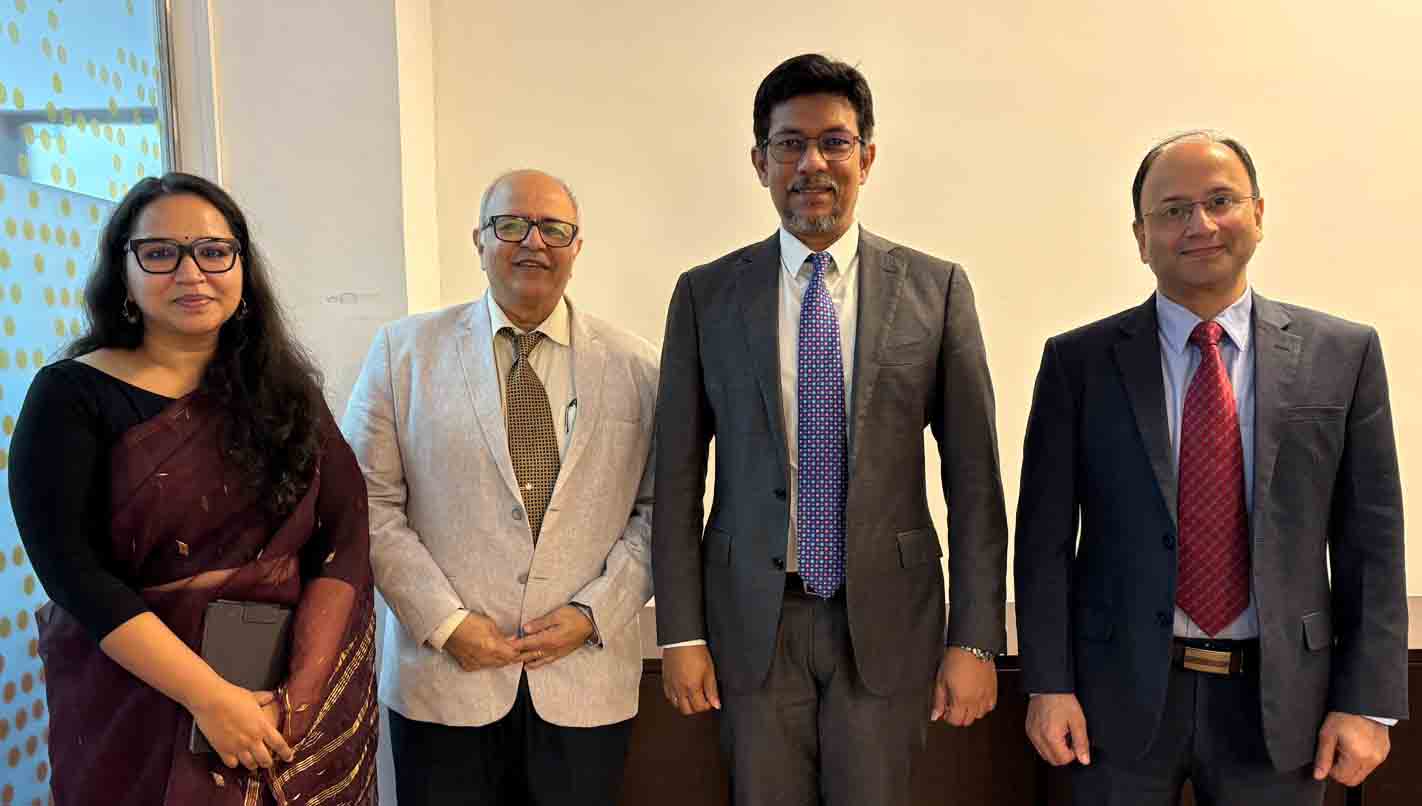
India and Sri Lanka have taken a further step towards strengthening cooperation in cybersecurity, digitalisation and emerging technologies with the inaugural bilateral cyber consultations held in Colombo.
A delegation from India comprising Dr. Sanjay Bahl, Director General of CERT-In, and Amit Shukla, Joint Secretary for Cyber Diplomacy at the Ministry of External Affairs, Government of India, visited Colombo for the first round of cyber consultations between the two countries.
The consultations form part of the broader India–Sri Lanka partnership in digitalisation and growing engagement in emerging fields, including Artificial Intelligence (AI).
During the visit, the Indian delegation met Eranga Weeraratne, Deputy Minister of Digital Economy, where discussions focused on strengthening cybersecurity governance frameworks and addressing new challenges created by the rapid development of AI.
The discussions also highlighted the importance of sharing cyber threat assessments and exchanging knowledge and best practices. Particular attention was given to the experience of CERT-In in areas such as capacity building and cyber incident response.
The delegation also met Dr. Anil Jayantha Fernando, Minister of Labour and Deputy Minister of Finance and Planning. Discussions at the meeting examined opportunities for closer cybersecurity cooperation in support of a shared objective of developing a secure financial system and a resilient digital economy.
Further discussions were held with Thilak Pathirage, Chairman of Sri Lanka CERT, and Dr. Kanishka Karunasena, CEO of Sri Lanka CERT.
The talks explored several potential areas for closer cooperation between the two countries, including knowledge sharing, capacity building and cyber crisis management.
The two sides also discussed the development of national-level strategies relating to emerging technologies such as quantum computing and Artificial Intelligence, recognising the growing impact of these technologies on cybersecurity and national digital infrastructure.
The first cyber consultations mark another area of expanding cooperation between India and Sri Lanka as both countries work towards strengthening their digital economies while addressing increasingly complex cybersecurity threats.
The discussions are expected to provide a foundation for continued engagement between relevant institutions in the two countries and greater cooperation in building cybersecurity capabilities, responding to cyber incidents and preparing for future technology-driven challenges.
06.10.2026
##############################################################################################
28th National ICT Awards Recognise Sri Lanka’s Digital Innovation
By Vipula Amarasinghe

Sri Lanka’s ICT sector celebrated its achievements at the 28th National ICT Awards ceremony held on September 25 at Monarch Imperial, recognising leading technology products, innovations and contributions to the country’s digital economy.
The ceremony was held under the patronage of Prime Minister Dr. Harini Amarasuriya and Deputy Minister of Digital Economy Eng. Eranga Weeraratne, with more than 600 guests attending the event. Government officials, ministry secretaries, business leaders, ICT industry representatives, academics and award winners were among those present.
The National ICT Awards, considered one of Sri Lanka’s leading ICT awards programmes, are organised by the National ICT Awards Trust, which brings together ICT associations from across the country. BCS, The Chartered Institute for IT Sri Lanka Section, leads the initiative.
A total of 127 awards were presented across 43 categories covering tertiary and postgraduate students, government and public-sector organisations and private-sector companies for outstanding ICT products and innovations.
The ceremony also announced 35 Sri Lankan products and innovations that have been selected for nomination to the Asia Pacific ICT Alliance Awards this year, giving local technology solutions an opportunity to compete on a wider international platform.
The ICT Lifetime Achievement Award was presented to Ruvan Ratnatunga, Chairman of DMS Group, in recognition of his contribution to Sri Lanka’s ICT industry since 1978. His contribution includes introducing new and innovative technologies, generating foreign and local revenue and creating employment opportunities within the industry.
Geethapriya Tillekeratne received the Distinguished ICT Stewardship Award for his longstanding contribution to the ICT industry and the National ICT Awards.
The 28th National ICT Awards were organised under the leadership of Isuru Sirinimal, while Prof. Lasith Gunawardena served as Chairman of the National ICT Awards Board of Management. This year’s judging committee comprised 66 judges and was chaired by Rasith Fernando.
Addressing the gathering, Deputy Minister Eng. Eranga Weeraratne said Sri Lanka’s ICT industry needs to take its products and innovations beyond the local market in order to fully realise the potential of the country’s digital economy. He also highlighted steps being taken by the government to strengthen digital infrastructure and support the expansion of Sri Lankan technology products and services.
In her message, Prime Minister Dr. Harini Amarasuriya said the National ICT Awards had played an important role in encouraging innovation, recognising excellence and creating opportunities for ICT professionals, entrepreneurs and innovators to contribute to Sri Lanka’s digital economy.
She expressed confidence that the National ICT Awards would continue to serve as a catalyst for innovation and create greater opportunities for the country’s technology sector in the future.
The 28th National ICT Awards highlighted the growing capabilities of Sri Lankan ICT professionals, businesses, students and innovators, while strengthening opportunities for locally developed technology solutions to gain recognition both within Sri Lanka and internationally.
05.10.2026
##################################################################################################
Shehan Karunatilaka and Education New Zealand Highlight Learning Beyond the Classroom at CIBF 2026
By Vipula Amarasinghe
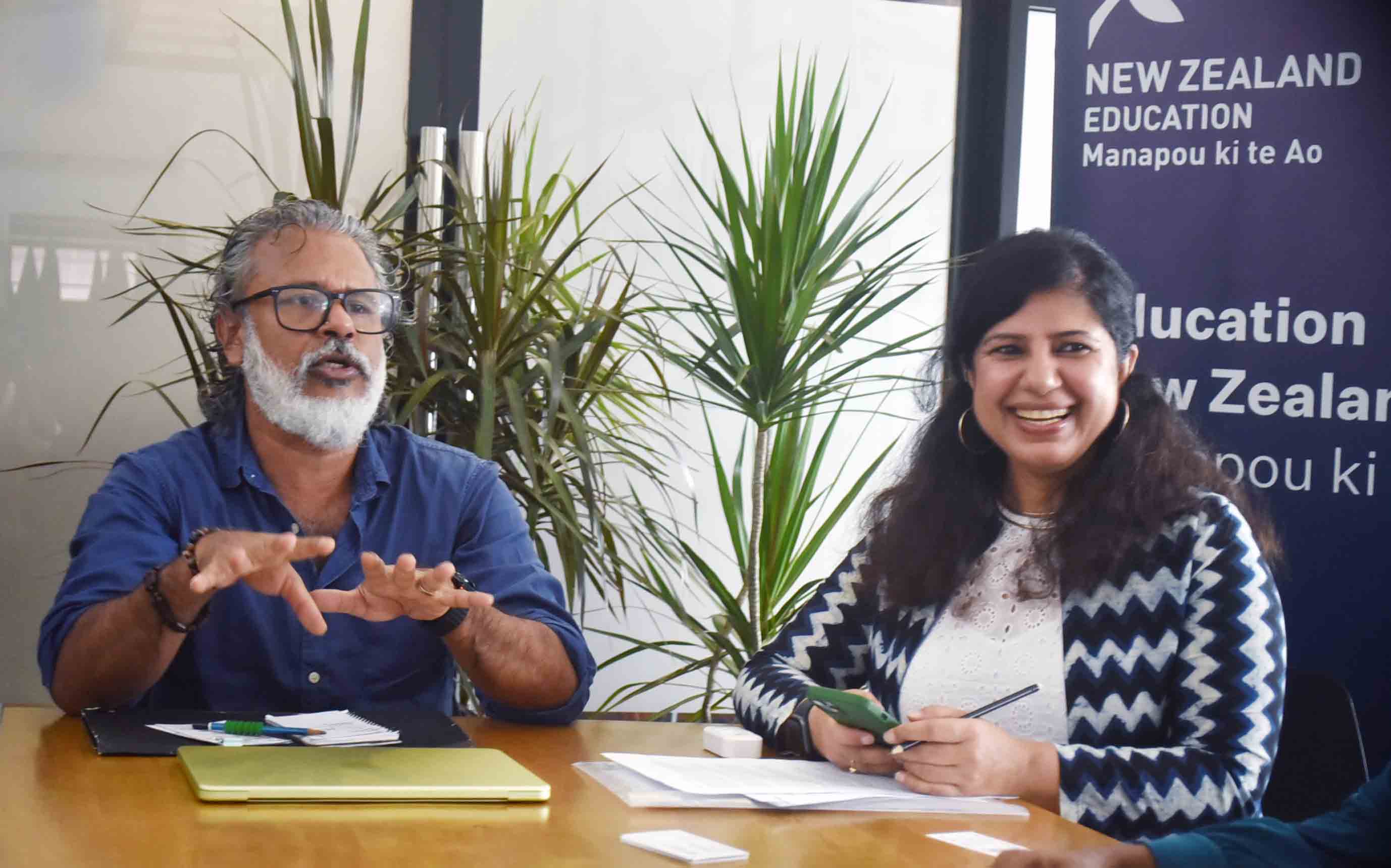
Education New Zealand Manapou ki te Ao (ENZ) has partnered with Booker Prize-winning Sri Lankan author and New Zealand alumnus Shehan Karunatilaka at the Colombo International Book Fair (CIBF) 2026, bringing together students, aspiring writers, educators and readers for a series of literary activities centred on creativity, storytelling and learning.
Karunatilaka, who studied at Whanganui Collegiate School and Massey University in New Zealand, has been engaging with school and university students during the book fair, sharing experiences from his writing career and discussing the role of education in developing creativity and independent thinking.
A special creative writing workshop was also conducted for winners of the Education New Zealand Short Story Challenge, providing emerging young writers with an opportunity to explore storytelling techniques and develop their own creative voices.
Reflecting on the collaboration, Karunatilaka said his own writing journey had been shaped by teachers, mentors and artists who encouraged him to explore ideas and develop his craft. He encouraged young writers to continue reading, creating and questioning as they develop their individual voices.
Karunatilaka is internationally recognised for his 2022 Booker Prize-winning novel The Seven Moons of Maali Almeida. His debut novel, Chinaman: The Legend of Pradeep Mathew, also received several international literary awards, including the Commonwealth Prize, the DSC Prize for South Asian Literature and the Gratiaen Prize. His work extends across novels, short stories, journalism and screenwriting.
The partnership forms part of Education New Zealand's wider focus on learning experiences that extend beyond academic achievement. Its learner-centred education approach encourages students to question ideas, consider different perspectives, apply knowledge in practical contexts and develop skills that can support them throughout their education and careers.
Shafra Hamid, a final-year student at CINEC Campus and one of the top 10 winners of the Education New Zealand Short Story Challenge, said the competition encouraged her to think more critically about her writing and develop her own voice. She described the opportunity to learn from Karunatilaka and understand his approach to storytelling as a valuable experience.
Education New Zealand highlighted literature and storytelling as important components of broader learning. Reading can encourage curiosity and cultural understanding, while writing can strengthen communication, critical thinking and self-expression.
Through its participation at the Colombo International Book Fair, Education New Zealand is using literature and creative engagement to connect an internationally recognised author with emerging young writers while highlighting the wider learning opportunities associated with an international education experience.
The initiative also reflects ENZ's Minds Made for More concept, which promotes an understanding of education that goes beyond academic qualifications to include creativity, curiosity, independent thinking and lifelong learning.
02.10.2026
###################################################################################################
Colombo West International Terminal Commissions Phase 2 as Operations Surpass 2 Million TEUs
By Vipula Amarasinghe
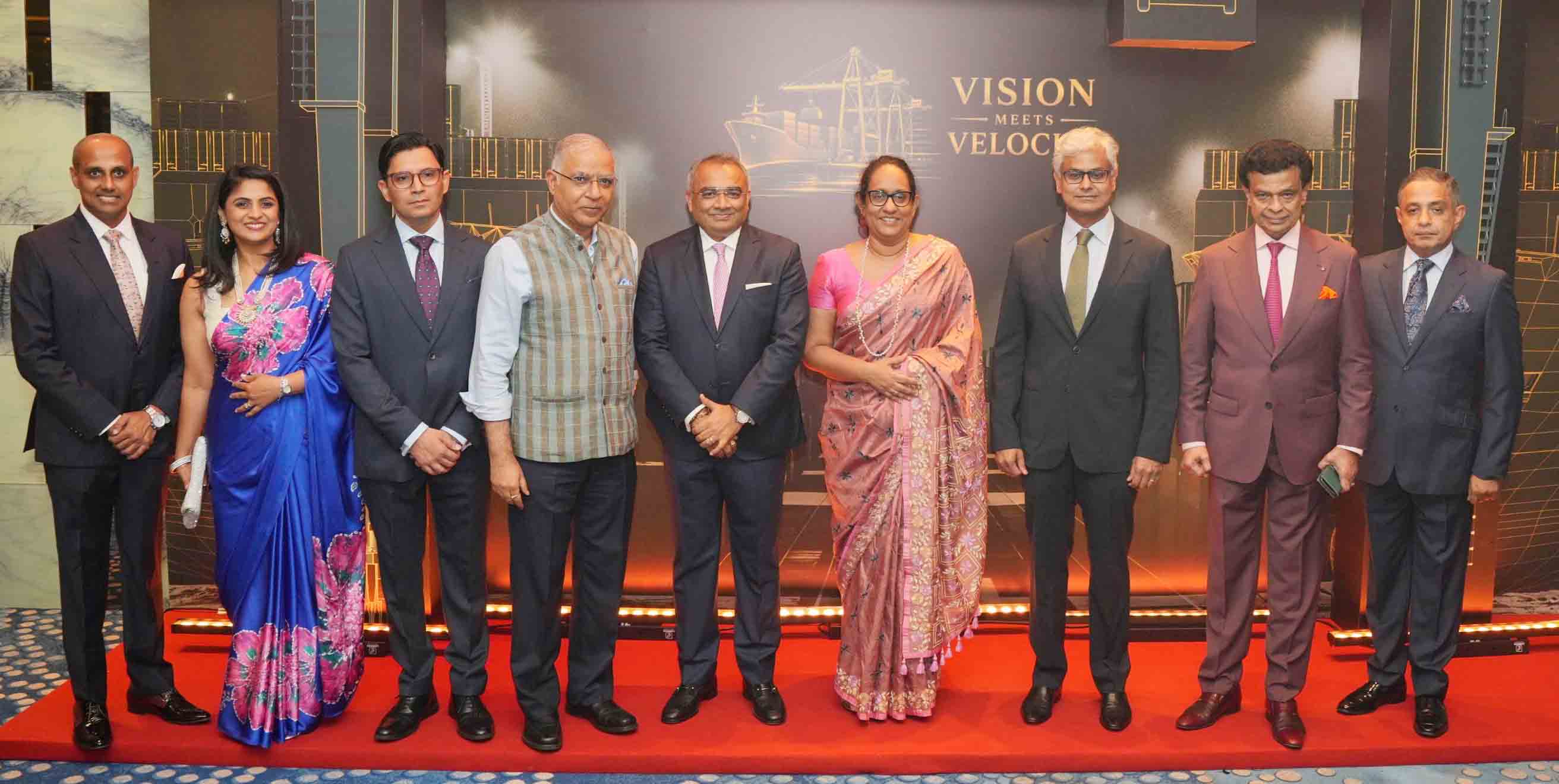
The Colombo West International Terminal (CWIT) has commissioned its Phase 2 development and surpassed the two million twenty-foot equivalent unit (TEU) container handling milestone, marking a significant development in Sri Lanka’s maritime and logistics sector.
The achievement was celebrated on September 30 in the presence of Prime Minister Dr. Harini Amarasuriya, Deputy Minister of Ports and Civil Aviation Janitha Ruwan Kodithuwakku, Sri Lanka Ports Authority (SLPA) Chairman Dr. Parakrama Dissanayake, and senior representatives of the terminal’s partners.
Addressing the ceremony, Indian High Commissioner to Sri Lanka highlighted the milestone as an example of successful India–Sri Lanka economic cooperation, bringing together investment, expertise and technology from both countries.
Developed through a partnership between the Sri Lanka Ports Authority, John Keells Holdings and Adani Ports and SEZ, CWIT represents an investment of approximately US$750 million, making it one of the significant infrastructure projects undertaken in Sri Lanka’s maritime industry in recent years.
The High Commissioner noted that the commissioning of Phase 2 and the achievement of two million TEUs within a record period reflected the terminal’s operational performance and growing confidence among international shipping lines.
Equipped with automated cranes, electric terminal vehicles and advanced digital systems, the terminal features a 20-metre deep-water draft designed to accommodate the latest generation of large container vessels.
The facility is expected to contribute to Colombo’s position as a regional maritime and transshipment hub while strengthening its connectivity with international shipping networks.
The High Commissioner also highlighted the terminal’s contribution to employment generation, technical skills development and technology transfer, particularly welcoming the participation of skilled women in its high-technology workforce.
Beyond terminal operations, CWIT is connected to a wider logistics network involving trucking, warehousing, freight forwarding and related services, creating opportunities across several segments of the economy.
Referring to India’s economic performance, the High Commissioner cited real GDP growth of 7.8 per cent in the first quarter of the financial year, alongside investment growth of nearly 12 per cent and export growth of 12 per cent.
He observed that expanding economic activity in India would generate increased cargo movement and create further opportunities for Colombo Port, particularly through stronger links with Indian ports, investors, logistics companies and exporters.
A significant share of cargo handled through Colombo has connections with India, making the port an important component of regional trade and supply chain networks.
The High Commissioner described the two million TEU achievement as a milestone rather than a finishing point, expressing confidence in continued cooperation between Sri Lanka and India in developing maritime infrastructure and logistics connectivity.
The ceremony concluded with congratulations to the Government of Sri Lanka, Sri Lanka Ports Authority, John Keells Holdings, Adani Ports and SEZ, and the entire CWIT team for their contribution to the project.
02.10.2026
##############################################################################################
28 Sri Lankan Minority Youths Complete Innovative Leadership Training Programme in India
By Vipula Amarasinghe
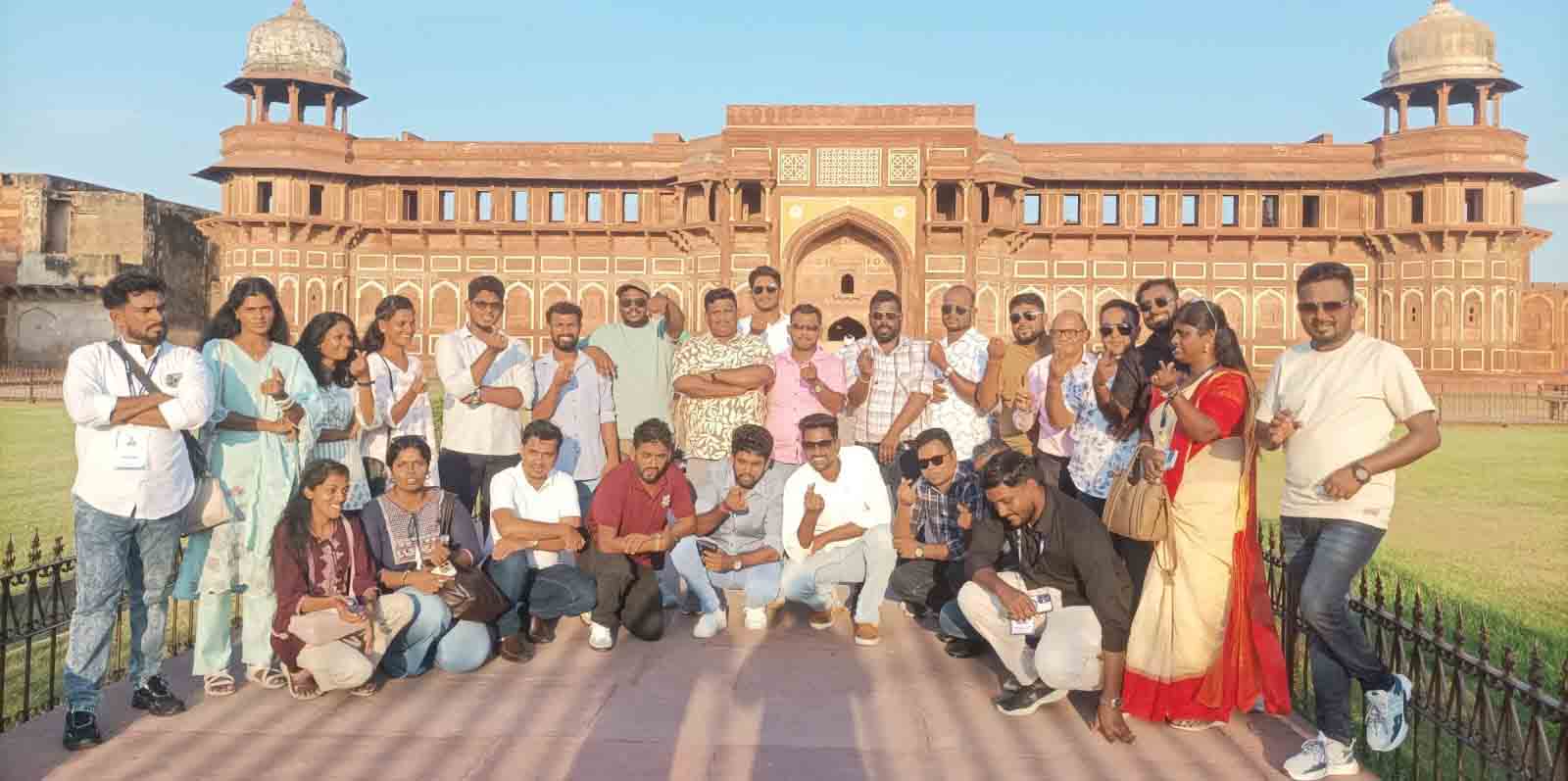
A group of 28 minority youths representing diverse communities across Sri Lanka participated in a five-day leadership development programme in India, aimed at strengthening their leadership capabilities, entrepreneurial thinking and contribution to organisational and community development.
The training programme on Innovative Leadership for Organization Growth and Excellence (ILOGE) was held from 21 to 25 September 2026 at the National Institute for Entrepreneurship and Small Business Development (NIESBUD) in Noida, India.
NIESBUD is a premier institution functioning under India's Ministry of Skill Development and Entrepreneurship, focusing on entrepreneurship promotion and skills development through training, consultancy and research.
The programme provided participants with practical knowledge and contemporary approaches to leadership, organisational growth and community engagement, while encouraging them to apply their learning within their respective organisations and communities.
The training covered a wide range of subjects, including innovative leadership, entrepreneurship, local economic development, self-leadership, design thinking, leadership styles, coaching and mentoring, emotional intelligence, climate leadership and community resilience.
A key component of the programme was the preparation of Back Home Action Plans, enabling participants to identify practical initiatives through which they could implement their newly acquired knowledge and skills after returning to Sri Lanka.
The programme also included a cultural immersion visit to Agra, where participants visited the iconic Taj Mahal and Agra Fort. The experience offered an opportunity to explore India's rich cultural heritage while encouraging cross-cultural interaction and informal learning among the delegation.
The initiative forms part of India's continuing efforts to support capacity building and skills development among Sri Lankan professionals and youth.
It follows the announcement made by Indian Prime Minister Narendra Modi during his State Visit to Sri Lanka in April 2025, offering 700 customised training slots annually for Sri Lankan professionals.
Through such programmes, India continues to facilitate knowledge exchange, professional development and stronger people-to-people connections between India and Sri Lanka, while supporting the development of leadership skills among the country's emerging youth leaders.
10.10.2026
##################################################################################################
Nepal Embassy Hosts Cultural Interaction and Book Launch in Colombo
By Vipula Amarasinghe
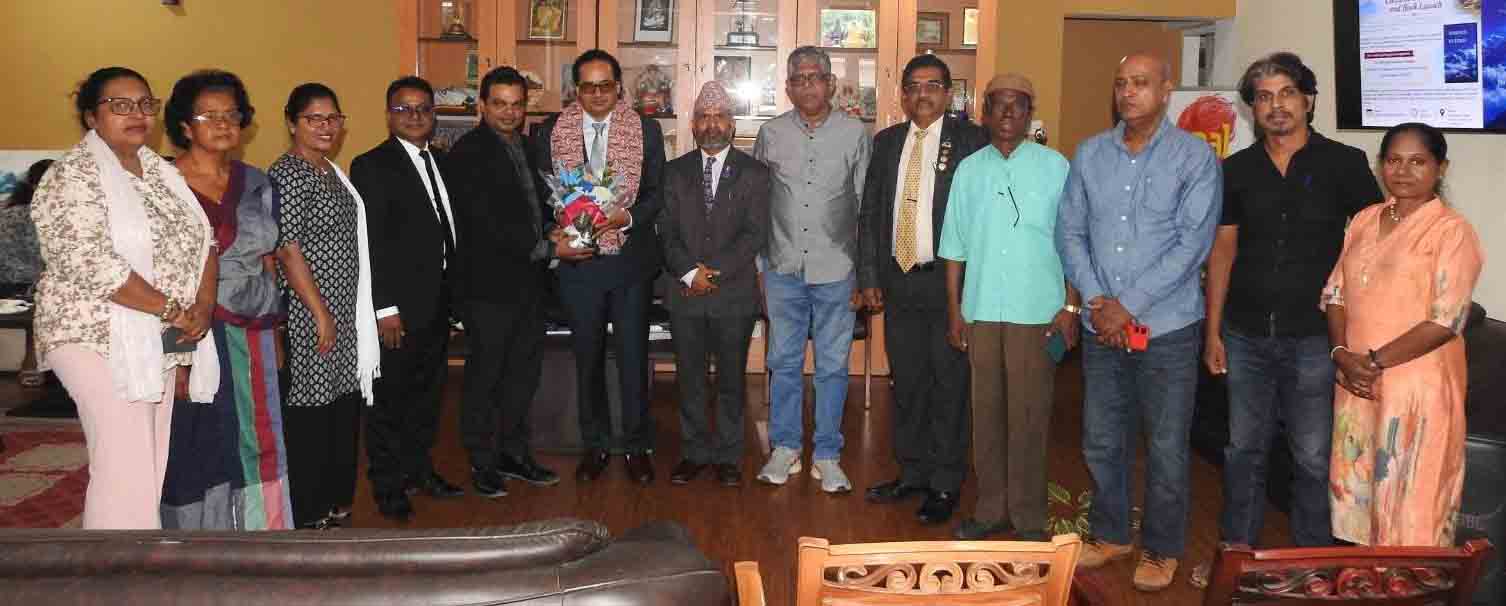
The Embassy of Nepal in Colombo hosted a Cultural Interaction and Book Launch programme on September 28, bringing together writers, artists, business representatives and cultural personalities to promote closer people-to-people links between Nepal and Sri Lanka.
Held at the Embassy premises, the programme featured the launch of The Essence of the Everest, authored by Dr. Nirmal Kumar Thapa, President of Nepal Centre International and Colour Nepal.
The event provided a platform to showcase Nepal’s cultural and literary heritage while encouraging dialogue between members of the cultural communities of Nepal and Sri Lanka.
The programme commenced with the traditional lighting of an oil lamp, symbolising wisdom and friendship.
Mr. Sagar Bhandari, First Secretary of the Embassy of Nepal, shared his reflections on The Essence of the Everest before the official launch, which was marked by the presentation of the book to invited guests.
A video highlighting “Sagarmatha to Sea”, showcased on the sidelines of the 81st Session of the United Nations General Assembly, was also screened during the event.
Delivering the keynote address, Mr. Vijay Kumar Raut, Chargé d’Affaires of the Embassy of Nepal in Colombo, emphasised the importance of cultural diplomacy, people-to-people relations and spirituality in strengthening ties between the two countries.
He also referred to themes and passages from The Essence of the Everest, highlighting the cultural significance of Mount Everest and Nepal’s heritage.
Dr. Nirmal Kumar Thapa subsequently presented a reading from his book, giving participants an insight into its themes and reflections on Mount Everest as a symbol of Nepal’s natural and cultural identity.
Speaking about the publication, Dr. Thapa highlighted the importance of cultural exchange, literary engagement and introducing Nepal’s heritage and identity to international audiences.
The programme also included an interactive discussion, during which participants exchanged views on opportunities for greater cooperation in literature, cultural activities and people-to-people engagement between Nepal and Sri Lanka.
The event concluded with the presentation of a token of appreciation to Dr. Thapa in recognition of his contribution to literature and cultural engagement, followed by a vote of thanks.
The gathering served as a platform for cultural and literary dialogue while highlighting the longstanding friendship between Nepal and Sri Lanka and the role of cultural diplomacy in bringing the two countries’ communities closer together.
30.09.2026
##############################################################################################
ISSI and SASSRI Sign MoU to Expand Pakistan-Sri Lanka Research Cooperation
By Vipula Amarasinghe
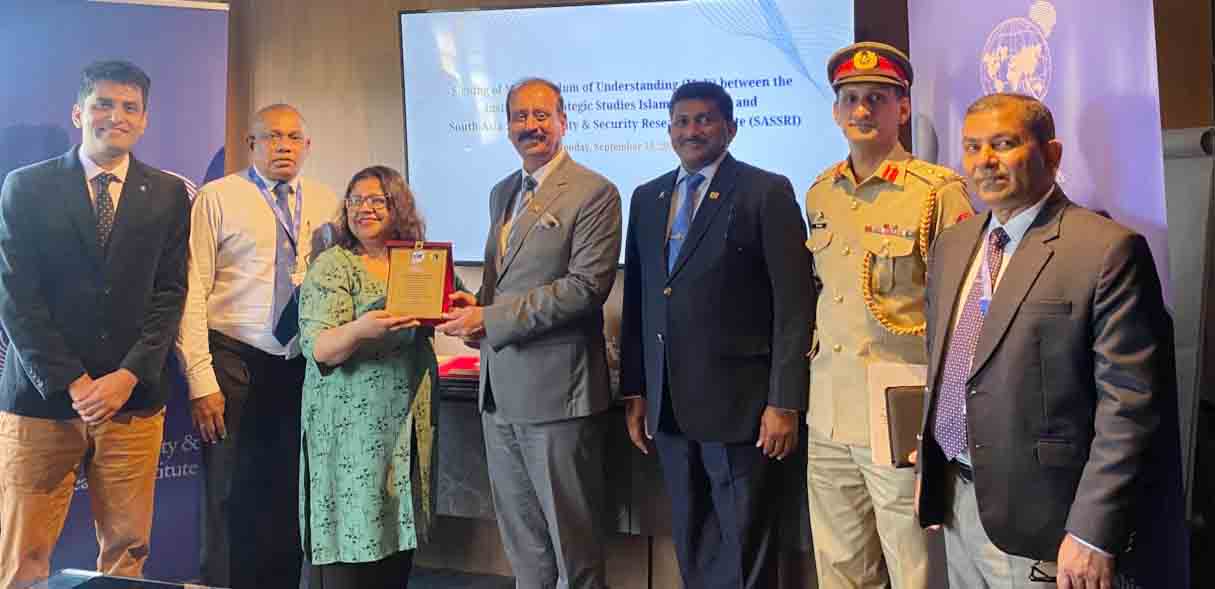
The Institute of Strategic Studies Islamabad (ISSI) and the South Asia Sustainability and Security Research Institute (SASSRI) have signed a Memorandum of Understanding (MoU) to strengthen academic research, policy dialogue and strategic cooperation between Pakistan and Sri Lanka.
The virtual signing ceremony was held in the presence of H.E. Major General (R) Dr. Nayyar Naseer, High Commissioner of Pakistan to Sri Lanka. Pakistan’s Deputy Head of Mission, Mr. Christy Ruban, attended the ceremony from ISSI in Islamabad.
The new agreement provides a framework for the two institutions to work together on collaborative research, joint academic programmes, scholar exchanges and analysis of regional issues affecting sustainability, peace and security in South Asia.
Addressing the ceremony, High Commissioner Dr. Nayyar Naseer highlighted the longstanding historical and diplomatic relationship between Pakistan and Sri Lanka.
He said partnerships between research institutions can contribute to addressing contemporary regional challenges by encouraging intellectual dialogue and generating research-based policy perspectives.
The ceremony included opening remarks from H.E. Ambassador Moin ul Haque, Executive Director of ISSI, and Professor Maneesha S. Wanasinghe-Pasqual, Executive Director of SASSRI.
Both institutions expressed their commitment to using the new partnership to develop research initiatives and establish regular platforms for policy discussions.
Following the formal signing, representatives of ISSI and SASSRI participated in an interactive discussion on potential areas of cooperation. Proposed activities include joint research projects, public seminars and collaborative publications.
The partnership is expected to create additional opportunities for academics and researchers from both countries to exchange perspectives on regional developments and issues relating to South Asia’s sustainability, peace and security.
The High Commission of Pakistan said it remains committed to strengthening institutional, academic and socio-economic links between Pakistan and Sri Lanka.
The MoU represents another step towards expanding cooperation between the two countries through research, knowledge exchange and institutional engagement.
30.09.2026
################################################################################################
DMASL Briefs President on Digital Industry Vision Ahead of Digital Summit Asia 2026
By Vipula Amarasinghe
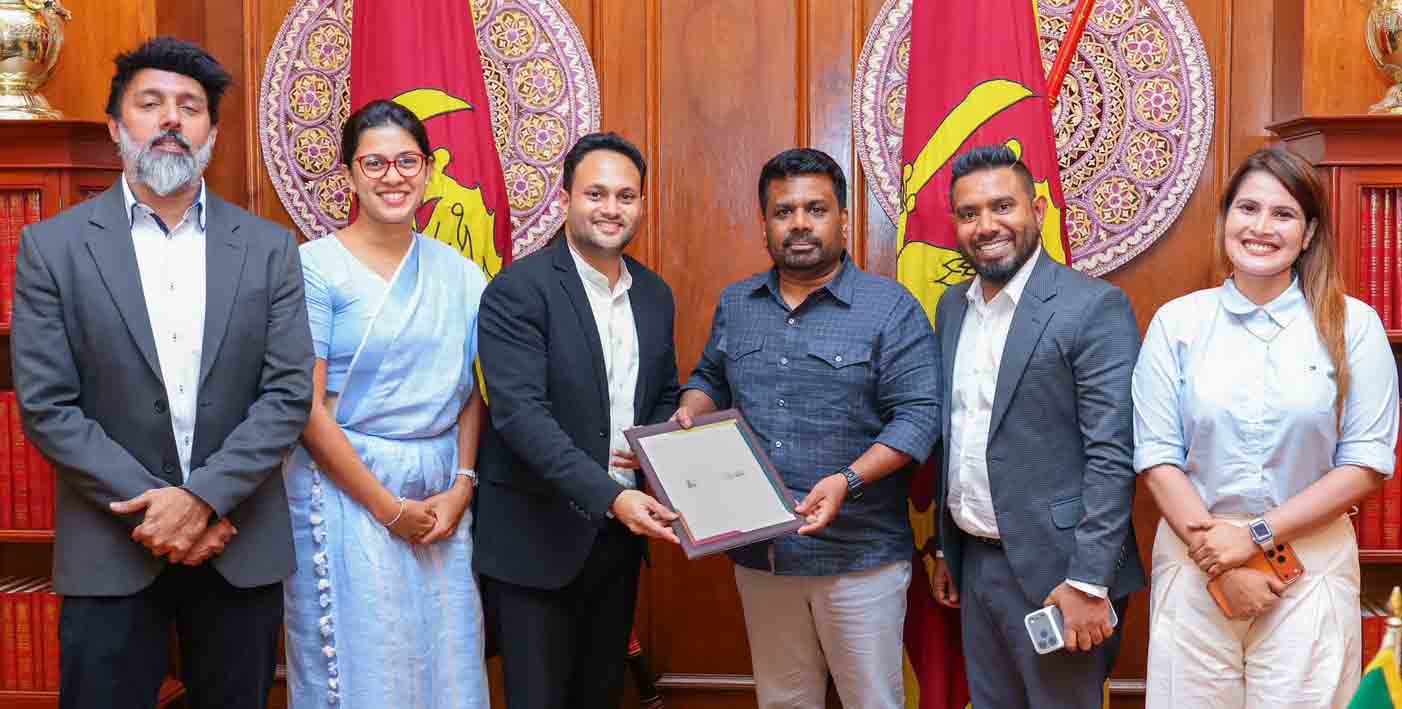
President of the Digital Marketing Association of Sri Lanka (DMASL), Arjun Jeger, presents the DMASL Mandate to H.E. President Anura Kumara Dissanayake during a meeting to brief the President on DMASL’s role in advancing Sri Lanka’s digital ecosystem and the vision for the upcoming Digital Summit Asia, Sri Lanka 2026.
The Digital Marketing Association of Sri Lanka (DMASL) has briefed President Anura Kumara Dissanayake on the organisation’s role in developing Sri Lanka’s digital marketing and creative industries ahead of the Digital Summit Asia, Sri Lanka 2026.
The meeting brought together DMASL President Arjun Jeger, Project Co-Chairs of Digital Summit Asia and other members of the Association, who presented the DMASL Mandate to the President and outlined its priorities for strengthening Sri Lanka’s digital ecosystem.
Discussions focused on the rapid evolution of the country’s digital economy and the importance of collaboration among government, industry, academia and professional communities in developing the skills and capabilities required to compete in the global digital marketplace.
DMASL also highlighted the role industry-led organisations can play in developing professional talent, facilitating international knowledge exchange and creating new opportunities for Sri Lankan digital and creative professionals.
A major focus of the discussion was Digital Summit Asia, Sri Lanka 2026, scheduled to take place on October 1 and 2 at Waters Edge.
The event marks the next stage of the DMASL Summit, with its first three editions attracting more than 3,000 participants and over 90 local and international speakers representing digital marketing, technology, creativity, media, innovation and business.
According to DMASL, its long-term vision is to develop Digital Summit Asia into a regional platform based in Sri Lanka, bringing international expertise and industry leaders to the country while providing greater international exposure for Sri Lankan digital and creative talent.
DMASL President Arjun Jeger said the organisation’s ambition extends beyond creating an annual industry event and is focused on contributing to the development of Sri Lanka’s digital economy.
He noted that Sri Lanka already has digital and creative professionals with the ability to compete internationally, while greater exposure, stronger international connections and platforms for showcasing local capabilities could help create new opportunities.
The DMASL delegation also acknowledged the engagement and support of the Ministry of Digital Economy in strengthening links between the private sector and Sri Lanka’s broader digital development agenda.
The Association said it remains committed to working with the government, industry stakeholders and professional communities to strengthen the country’s digital ecosystem and expand Sri Lanka’s presence in the international digital economy.
Digital Summit Asia, Sri Lanka 2026 will bring together local, regional and international leaders from the fields of digital technology, marketing, creativity, artificial intelligence, media and business at Waters Edge on October 1 and 2.
30.09.2026
#################################################################################################
ITC Ratnadipa Marks World Tourism Day with ‘Around the Island’ Art Exhibition
By Vipula Amarasinghe

ITC Ratnadipa is marking World Tourism Day with Around the Island, an art exhibition by Sri Lankan artist Nihal Sangabo Dias, offering visitors a visual journey through the country’s landscapes, people, villages and everyday life.
The exhibition is being held at the WelcomGallery of ITC Ratnadipa from September 25 to October 11, 2026, bringing together a collection of works that reflects the artist’s personal interpretation of Sri Lanka.
Dias, whose work has been shaped by decades of observing the island, presents Sri Lanka not simply as a collection of tourist destinations, but as a country experienced through memories, people, colours and everyday moments.
His paintings feature familiar aspects of Sri Lankan life, including fishermen, village scenes and landscapes associated with locations such as Galle and Kandy. Through his distinctive artistic style, these familiar places are presented from a personal perspective, encouraging viewers to look at the island in new ways.

Dilshi Fernando, Head of PR & Marketing at ITC Ratnadipa, said the WelcomGallery was established as a platform for Sri Lankan artists to reach wider audiences, including international travellers visiting the hotel.
She said the exhibition was particularly meaningful as it coincides with World Tourism Day, adding that Dias’ work captures Sri Lanka in a simple and authentic manner through its people, places and everyday experiences.
Dias said he hoped the paintings would give viewers a glimpse of Sri Lanka as he has experienced it, reflecting the island’s beauty, character, colours and memorable moments.
Around the Island brings together art and tourism by presenting Sri Lanka through the eyes of a local artist. The exhibition provides both local visitors and international travellers with an opportunity to experience another perspective of the island beyond conventional tourism imagery.
The exhibition is open for complimentary viewing at the WelcomGallery, ITC Ratnadipa, from September 25 to October 11, 2026.
25.09.2026
##################################################################################################
Let’s TALK & Walk 2026: Walking Together to be ‘Seen, Heard & Valued’ on World Mental Health Day – 10 October 2026
By Vipula Amarasinghe

This World Mental Health Day, Sri Lankans are being invited to step forward for mental well-being at Let’sTALK & Walk 2026, a community walk encouraging people to talk, connect and seek support when it matters.
Taking place on Saturday, 10 October 2026, the walk will begin at 7.00 a.m. from the Band Stand Ground, Viharamahadevi Park, Colombo 7, with participants completing a relaxed route under 5 km through the heart of Colombo before returning to the park.
More than just a walk, Let’s TALK & Walk is a movement to encourage open conversations about mental health and remind people that no one should feel they have to carry their concerns alone.
The initiative supports The Let’sTALK Program, which works with schools to help young people develop the confidence and skills to talk about their concerns, listen to others and seek support. Funds raised through the walk will support the program’s goal of reaching 1,000 Sri Lankan school children, helping create safer spaces where children and young people can feel Seen, Heard and Valued.
The Let’sTALK Program is built around four simple but powerful principles:
T – Tell when you or someone else has a concern.
A – Acknowledge the person and their concern.
L – Listen to understand without judgement.
K – Keep in touch to support and stay connected.
When we TALK this way, we feel ‘Seen, Heard & Valued’ – the purpose of the Program.
The initiative also aims to increase awareness of 1333, Sri Lanka’s free and confidential crisis support line, reminding people that help is available when things become overwhelming. Contributions from the walk will also help support the continued availability and upkeep of this vital service.
Registration is Rs. 1,000 per participant, with every registration helping carry the message of mental well-being further — from our communities to our schools and into the wider country.
Let’sTALK & Walk 2026 is an initiative of the CCC Foundation / CCC Line 1333, supported by Heritance Hotels & Resorts, Lions Club of Colombo (Host), Lions Club of Colombo Circle and KIU Sri Lanka.
The organisers are inviting individuals, families, schools, companies, organisations, community groups, and anyone who believes in the importance of mental well-being to join the movement.
Because sometimes, the bravest step is simply starting the conversation.
Date: Saturday, 10 October 2026
Time: 7.00 a.m.
Venue: Viharamahadevi Park – Band Stand Ground, Colombo 7
Registration: Rs. 1,000 per person
Register at: https://1333.lk/events/3
25.09..2026
###############################################################################################
Sri Lankan Fashion Gains International Spotlight at BRICS+ Fashion Summit in Moscow
By Vipula Amarasinghe
Sri Lanka’s fashion industry is set to gain further international exposure as Colombo Fashion Week Founder and Managing Director Ajai Vir Singh joins fashion industry leaders at the fourth BRICS+ Fashion Summit in Moscow from September 28 to 30.
The summit brings together fashion professionals from emerging and fast-growing markets, creating a platform for discussions on manufacturing, trade, technology, investment, marketing and international expansion.
Singh’s participation is expected to provide an opportunity to strengthen Sri Lanka’s engagement with fashion businesses across Asia, Latin America, Africa, the Middle East and Europe.
A key development for Sri Lankan fashion this year will be the participation of designer Kamil Hewawitharna, whose label Limak By Kamil is scheduled to showcase a collection at Moscow Fashion Week.
Moscow Fashion Week, being held from September 26 to October 1, will feature more than 70 fashion shows involving designers from countries including Sri Lanka, Spain, Türkiye, the United Kingdom, Kazakhstan, China and Russia.
The Sri Lankan showcase comes as part of a reciprocal collaboration involving Colombo Fashion Week and the BRICS fashion community. According to Singh, Colombo Fashion Week has hosted designers from countries including China, South Africa and India as part of efforts to build greater international connections.
Singh, a founding member of the BRICS Fashion Federation, said participation in the initiative could strengthen Sri Lanka’s presence and influence within the region’s emerging fashion markets.
He also described the BRICS+ Fashion Summit as a platform for discussions, collaboration and innovation, particularly as fashion businesses respond to changes in supply chains, consumer behaviour and international markets.
The summit’s business programme will cover areas including creativity, manufacturing and logistics, marketing and sales, and entrepreneurship and investment.
More than 250 speakers are expected to contribute to discussions on issues affecting the future of the fashion industry, including supply-chain restructuring, cultural identity, artificial intelligence in design and retail, changing consumer expectations and international expansion.
For Sri Lanka, the international engagement comes at a time when the country’s apparel and fashion sectors are looking to expand their global reach and develop new commercial opportunities.
The summit is also expected to facilitate business connections between designers, manufacturers, retailers, investors and other industry professionals from emerging markets.
Singh said the BRICS+ platform was introducing a different perspective to the international fashion conversation by creating greater opportunities for designers and businesses from emerging economies to connect with global markets.
The participation of Limak By Kamil at Moscow Fashion Week adds another dimension to Sri Lanka’s presence in the international fashion calendar, providing a local designer with an opportunity to present a collection to an international fashion audience in Moscow.
24.09.2026
#############################################################################################
Kandy Set to Welcome More Than 300 International Delegates for World Congress on Snakes
By Vipula Amarasinghe
KANDY — More than 300 international delegates are expected to travel to Kandy for the inaugural World Congress on Snakes (WCS 2026), marking a significant development for Sri Lanka’s international conference and MICE tourism sector.
The four-day congress is scheduled to be held from October 1 to 4 at the Grand Kandyan Hotel, with more than 100 Sri Lankan participants also expected to join the international gathering.
CDC Events & Travels (Pvt) Ltd is serving as the official Professional Conference Organiser (PCO) and is overseeing the operational arrangements for the event, including conference logistics, accommodation, transportation and destination management.
The company is coordinating airport transfers, delegate transport and hotel bookings, while also arranging local tour programmes and pre- and post-conference excursions for overseas participants.
The organisers say the event will provide an opportunity to demonstrate Kandy’s capacity to host major international conferences while giving foreign visitors an opportunity to experience Sri Lanka beyond the conference venue.
WCS 2026 will bring together specialists from different fields connected with snake research, snakebite treatment and conservation. The scientific programme is being spearheaded by Dr. Anslem de Silva, Dr. Julie Ray and Dr. Daniel Natusch.
The congress will provide a platform for researchers and professionals to exchange knowledge and research on snakes, while discussions are expected to cover developments in snakebite management and international conservation efforts.
Wildlife biologists, medical professionals and conservationists are among those expected to participate, creating opportunities for collaboration between scientific research and practical field-based approaches.
The arrival of hundreds of overseas delegates is also expected to generate activity across several areas of Sri Lanka’s tourism economy, including hotels, transport services, restaurants, tour operators and other businesses supporting the MICE sector.
CDC Events & Travels’ involvement extends beyond conference coordination, incorporating travel and hospitality services into the overall delegate experience.
The company said the integrated approach demonstrates how professionally managed international conferences can contribute to Sri Lanka’s tourism value chain while strengthening the country’s position as a destination for global business events.
24.09.2026
#################################################################################################
Email. catswebnews@gmail.com
Tel. +94 777305771
Hot line +94 0717349348
