How Is a Banknote Printed?
By Vipula Amarasinghe

When we look at a banknote that we use every day, it may appear to be simply an image printed on paper. In reality, however, producing a banknote is a highly complex and secure technological process. Banknotes cannot be printed using ordinary printing machines. Specialised security printing presses, specially manufactured paper or polymer materials, specialised inks and advanced security technologies are used in their production.
The production of a banknote begins with its design. The size, colours, images, lettering, numbers and other symbols on the note are developed jointly by specialist designers and security technology experts. The main objective is to ensure that the banknote can be easily recognised while making it extremely difficult to reproduce fraudulently.
The next stage involves the use of a special security substrate that is completely different from ordinary printing paper. Many countries use specially manufactured cotton-fibre paper for their banknotes, while some countries also use polymer-based banknotes.
Certain security features can be incorporated into the material during its manufacture. These may include watermarks, security threads and specialised fibres.
The different elements of the banknote are then printed using specialised security printing presses. One type of printing process is used for background colours and complex patterns, while another specialised technique is used to create raised printing on the surface of the note.
This raised printing can also be detected by touch. When a person runs their fingers over a banknote, certain images, letters or numbers may feel different because of this specialised printing technique.
Specialised inks are also used to increase the security of banknotes. Some inks may appear differently when viewed under particular lighting conditions or from different angles. Some banknotes also contain microprinting—extremely small lettering that is difficult to see with the naked eye.
Security features such as watermarks, security threads, specialised inks, microprinting, intricate patterns and features visible under ultraviolet light make it considerably more difficult to produce counterfeit banknotes.
Once the printing process is completed, the banknotes undergo strict quality-control inspections. Automated inspection systems check colours, images, printing defects, security features and serial numbers. Notes that do not meet the required standards are removed from the production process.
The approved large printed sheets are eventually cut into individual banknotes using specialised cutting machines. The notes are then inspected again, counted as required, securely packaged and prepared for the currency-issuing process.
Therefore, a banknote is not simply a piece of paper on which ink has been printed. It is the result of a sophisticated manufacturing process that combines graphic design, specialised materials, security printing technology, modern machinery and strict quality control.
Behind every banknote that reaches our hands is a highly organised technological and security system designed to protect both its authenticity and its value.
07.10.2026
#################################################################################################
Sri Lanka’s Gem Market Eyes Global Growth as Industry Pushes for Greater Value Addition
By Vipula Amarasinghe
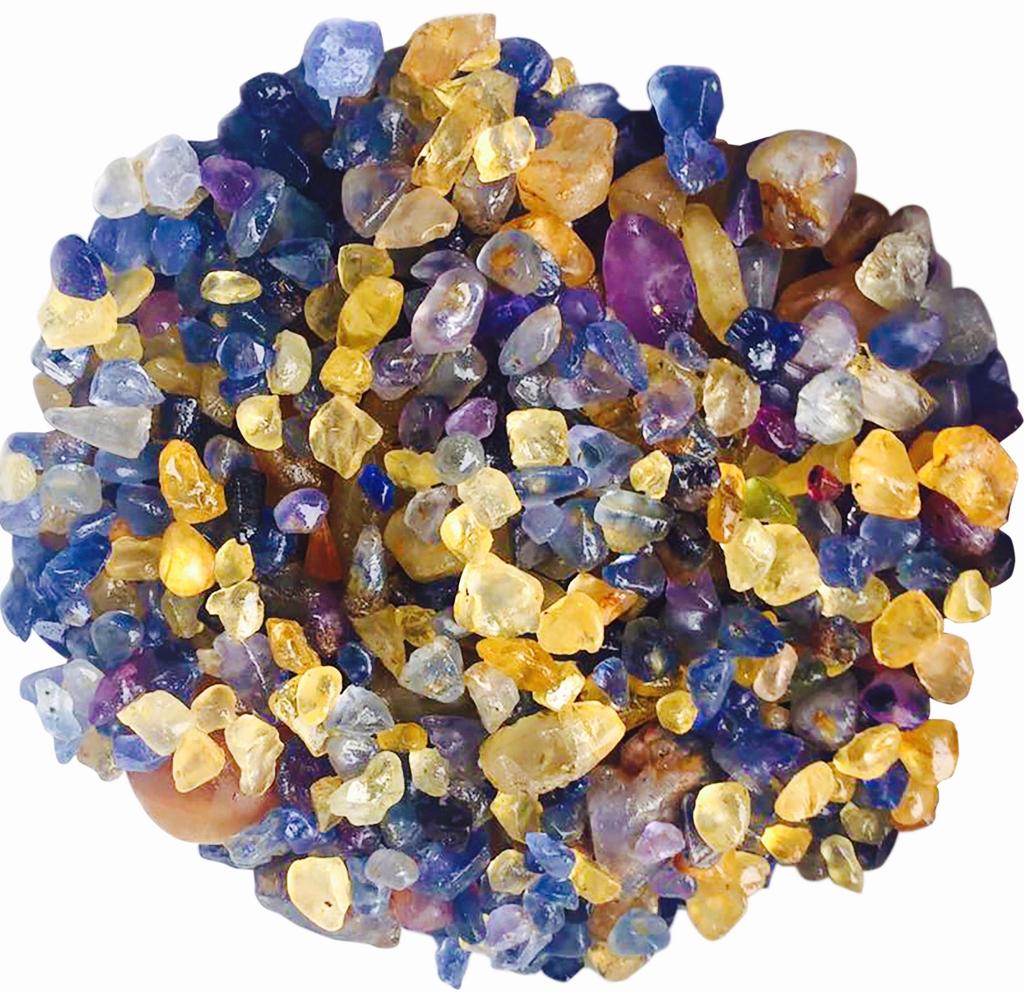
Sri Lanka’s renowned gem and jewellery industry is seeking to strengthen its position in international markets, with plans to establish a new international Gem Hub in Colombo and expand opportunities for gemstone trading, jewellery manufacturing and exports.
The proposed Gem Hub, expected to be established in 2027, forms part of the Government’s broader strategy to transform the country’s centuries-old gemstone trade into a more competitive, high-value economic sector. Industry authorities are also looking at ways to simplify import and export procedures and reduce unnecessary regulatory barriers affecting legitimate businesses.
Sri Lanka, internationally recognised for its sapphires and other precious gemstones, has a long-standing reputation for gemstone mining, trading and craftsmanship. Ratnapura, widely known as the City of Gems, remains central to this industry, while Colombo is expected to play a growing role as an international trading and business centre.
The Government’s ambitions were highlighted at the Ceylon Gemlogue 2026 event in September, where Industry and Entrepreneurship Development Minister Sunil Handunnetti outlined plans to expand the industry beyond the export of raw gemstones. The strategy focuses on cutting, polishing, jewellery manufacturing, branding, marketing and international trade, enabling Sri Lanka to retain a greater share of the value generated by its natural resources.
Export performance, however, reflects both opportunities and challenges. According to figures reported by EconomyNext, exports of diamonds, gems and jewellery declined by 25.05% year-on-year to US$30.53 million in August 2026. The performance underlines the need to strengthen market access, improve competitiveness and create a more supportive environment for exporters.
Thailand continues to be a major destination for Sri Lankan gemstones. Sri Lanka’s exports to Thailand more than doubled in 2025, exceeding US$90 million, compared with approximately US$41.6 million in 2024. Precious and semi-precious stones accounted for almost 70% of these exports, highlighting the importance of the Thai market to the local industry.
Sri Lanka has also been expanding its international promotional activities. At the 74th Bangkok Gems and Jewellery Fair, held from 8 to 12 September 2026, the country presented a pavilion comprising 72 booths. The participation provided local exporters with opportunities to showcase their products, establish business connections and explore new commercial partnerships.
Meanwhile, the Gem City Ratnapura 2026 exhibition, held from 31 August to 2 September, brought together local industry participants and international buyers. The event supported efforts to strengthen Ratnapura’s position as a destination for gemstone trading while promoting opportunities in processing, manufacturing and exports.
A key priority for the future is increasing the amount of value addition undertaken within Sri Lanka. Rather than relying primarily on the sale of unprocessed or minimally processed stones, industry development efforts are expected to encourage more investment in advanced cutting and polishing, jewellery design, certification, technology and international branding.
Improved traceability, transparent trading practices, environmental sustainability and stronger quality assurance will also be important in building confidence among international buyers. At the same time, the industry has opportunities to create employment for skilled craftspeople, gemmologists, designers and younger entrepreneurs.
If the proposed Colombo Gem Hub, regulatory reforms and international marketing initiatives are implemented effectively, Sri Lanka could strengthen its role in the global gemstone trade. The challenge will be to translate the country’s natural resources and established reputation into sustainable export earnings, greater local value addition and long-term benefits for businesses and communities across the gem industry.
23.10.2026
##################################################################################################
Sri Lanka’s Gold Industry: Preserving a Rich Heritage While Exploring New Opportunities
By Vipula Amarasinghe
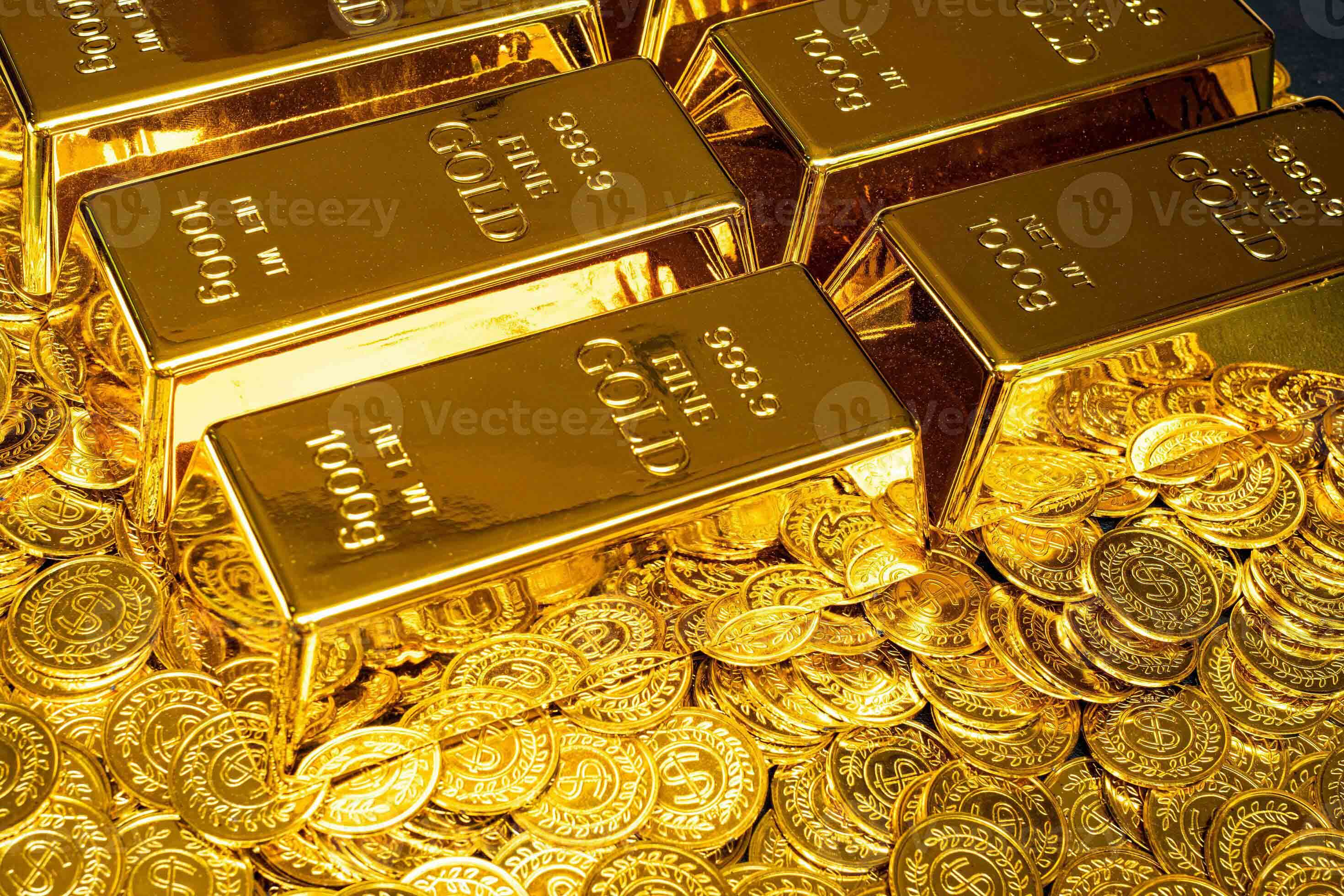
Sri Lanka’s gold industry continues to hold an important place in the country’s jewellery trade, traditional craftsmanship and consumer market. From intricate gold necklaces and bridal jewellery to contemporary designs, the industry combines generations of artistic skill with changing consumer preferences.
Gold has long been associated with weddings, cultural traditions, religious occasions and family investments in Sri Lanka. Gold jewellery remains particularly significant in bridal celebrations, where traditional designs are often treasured as family heirlooms and passed down through generations.
Sri Lanka’s gold jewellery sector is supported by skilled craftsmen, jewellery manufacturers, retailers, wholesalers and goldsmiths. Their work includes designing, melting, casting, shaping, engraving and polishing gold to produce jewellery for a diverse customer base.
Traditional Sri Lankan designs continue to attract buyers, while modern customers are increasingly interested in lightweight jewellery, contemporary styles and customised pieces. This combination creates opportunities for local jewellery businesses to serve both established and younger markets.
Colombo and other commercial centres, together with jewellery trading hubs such as Galle, Kandy and the historic jewellery community of Beruwala, contribute to the country's jewellery trade.
Gold prices are an important factor influencing the local jewellery market. International gold prices, movements in the Sri Lankan rupee, import costs, taxes and local market conditions can all affect the price paid by consumers.
When prices rise, some customers may postpone purchases, choose lighter designs or exchange existing jewellery for new pieces. Others continue to regard gold as a long-term store of value, although its market price can fluctuate and returns are not guaranteed.
For jewellery retailers, maintaining customer confidence through transparent pricing, accurate weight measurements, clear disclosure of making charges and reliable purity certification is essential.
Sri Lanka's gold jewellery industry has opportunities to strengthen its position through modern manufacturing methods, digital marketing, improved customer services and distinctive designs that reflect the country's cultural identity.
Local manufacturers and designers could also explore international markets by promoting Sri Lankan craftsmanship, developing export-ready collections and building stronger links with overseas retailers and members of the Sri Lankan diaspora.
At the same time, responsible sourcing, traceability and compliance with applicable trade regulations are increasingly important for businesses seeking to build long-term credibility.
The future of Sri Lanka's gold industry will depend on its ability to balance traditional skills with innovation, consumer protection and changing market conditions. Greater investment in skills development, modern technology and product design could help local businesses improve productivity and compete more effectively.
With its established jewellery-making traditions and experienced craftsmen, Sri Lanka has a foundation on which to build further opportunities in the domestic and international jewellery markets.
The industry’s long-term strength will depend not only on the value of gold itself, but also on the quality of its craftsmanship, the trust it earns from customers and its ability to adapt to a changing global marketplace.
23.10.2026
################################################################################################
Email. catswebnews@gmail.com
Tel. +94 777305771
Hot line +94 720303614
